Library Design in the Digital Age: Modern Learning Spaces
Author
Priya Sharma
Published
9 May 2026
Read Time
10 to 12 min read
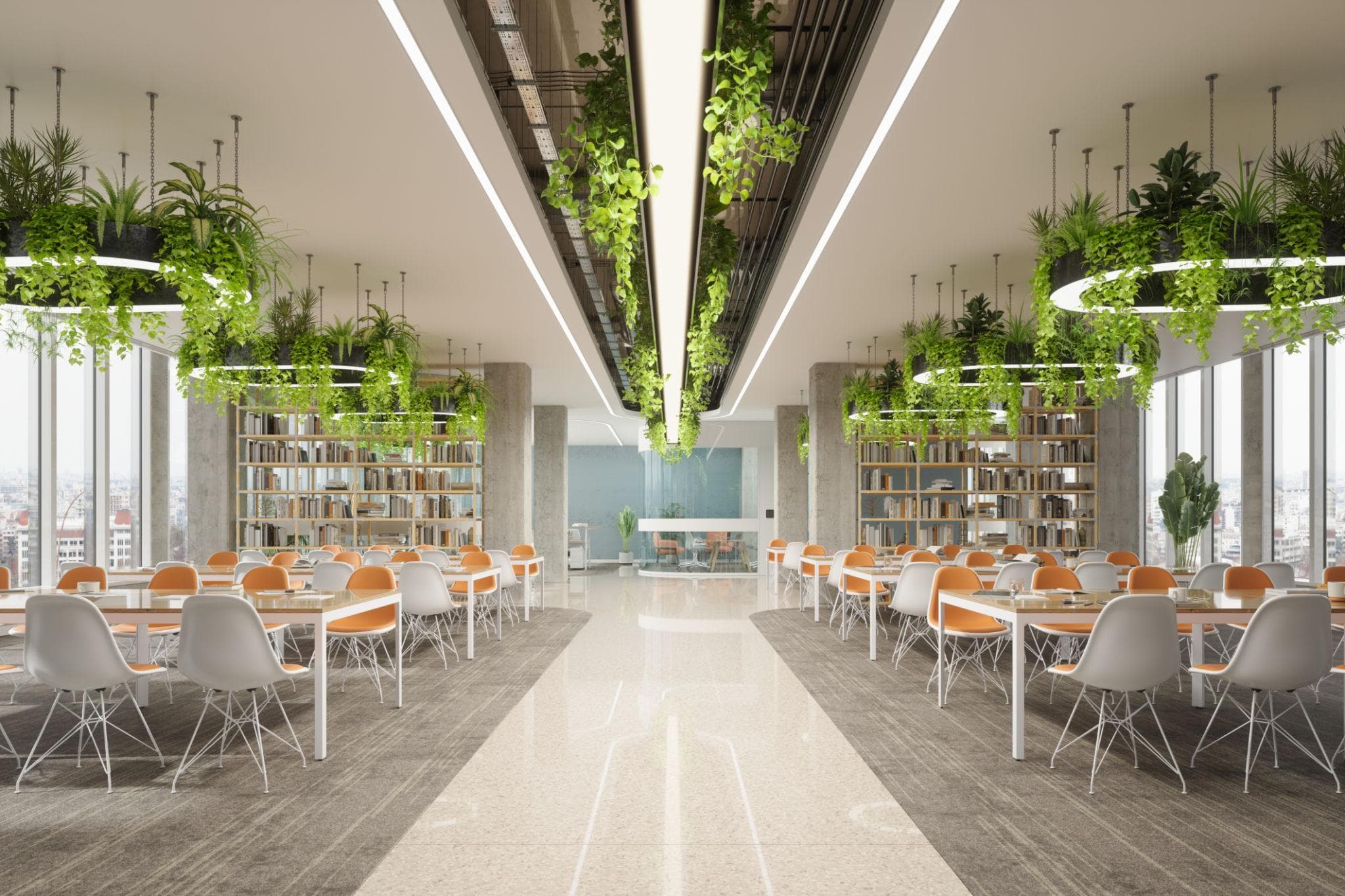
Libraries are rapidly evolving in the digital age. In 2026, modern libraries are no longer limited to bookshelves and silent reading areas—they are becoming technology-driven learning environments that support collaboration, creativity, and hybrid education.
Modern library design focuses on creating flexible, interactive, and student-centered spaces that support both physical and digital learning experiences.
Digital transformation in library design
Technology integration is reshaping educational libraries.
Modern libraries now include
• Digital research stations
• Smart catalog systems
• Interactive screens
• Cloud-based learning access
to support advanced educational experiences.
Flexible study spaces improve usability
Traditional rigid layouts are being replaced by adaptable environments.
Modern libraries feature
• Modular seating
• Movable study furniture
• Multi-purpose learning zones
• Open collaboration areas
to support different learning styles.
Collaborative learning spaces are growing
Libraries are becoming social learning hubs instead of isolated silent spaces.
Educational institutions now include
• Group discussion rooms
• Teamwork pods
• Interactive study lounges
• Collaborative workstations
to encourage communication and creativity.
Quiet zones remain essential
Even with collaborative trends, focused study spaces are still important.
Modern library interiors include
• Acoustic study cabins
• Silent reading areas
• Soundproof study rooms
• Individual learning pods
to support concentration and productivity.
Smart technology improves user experience
Technology enhances convenience and accessibility in libraries.
Modern smart libraries integrate
• Self-checkout systems
• Digital book tracking
• Wireless charging stations
• Smart lighting systems
for seamless operations.
Ergonomic furniture enhances comfort
Comfort is a key factor in modern educational interiors.
Libraries now use
• Ergonomic chairs
• Adjustable desks
• Lounge seating
• Flexible workstation setups
to support long study hours.
Natural lighting improves focus and wellness
Lighting strongly affects concentration and comfort.
Modern libraries maximize
• Natural daylight
• Warm ambient lighting
• Task lighting for study zones
• Energy-efficient LED systems
to create comfortable learning environments.
Sustainable library interiors are increasing
Educational institutions are prioritizing sustainability in design.
Modern libraries incorporate
• Eco-friendly materials
• Sustainable flooring
• Recyclable furniture
• Energy-efficient systems
to reduce environmental impact.
Hybrid learning support in modern libraries
Libraries now support both physical and digital education.
Modern educational spaces include
• Video conferencing rooms
• Online learning booths
• Digital presentation zones
• Hybrid collaboration spaces
to support flexible learning models.
Final insight
Library design in the digital age focuses on creating intelligent, adaptable, and technology-driven educational environments.
Modern libraries are evolving into collaborative learning ecosystems that combine digital resources, flexible interiors, student wellness, and interactive educational experiences for future-ready learning.
Common Questions
1. How are libraries changing in the digital age?
2. Why are collaborative spaces important in modern libraries?
3. What technologies are used in smart libraries?
4. Why is ergonomic furniture important in libraries?
5. How do modern libraries support hybrid learning?
Further Reading
Handpicked stories for your next inspiration