Modern School Interior Design Trends Transforming Learning Spaces
Author
Priya Sharma
Published
9 May 2026
Read Time
10 to 12 min read
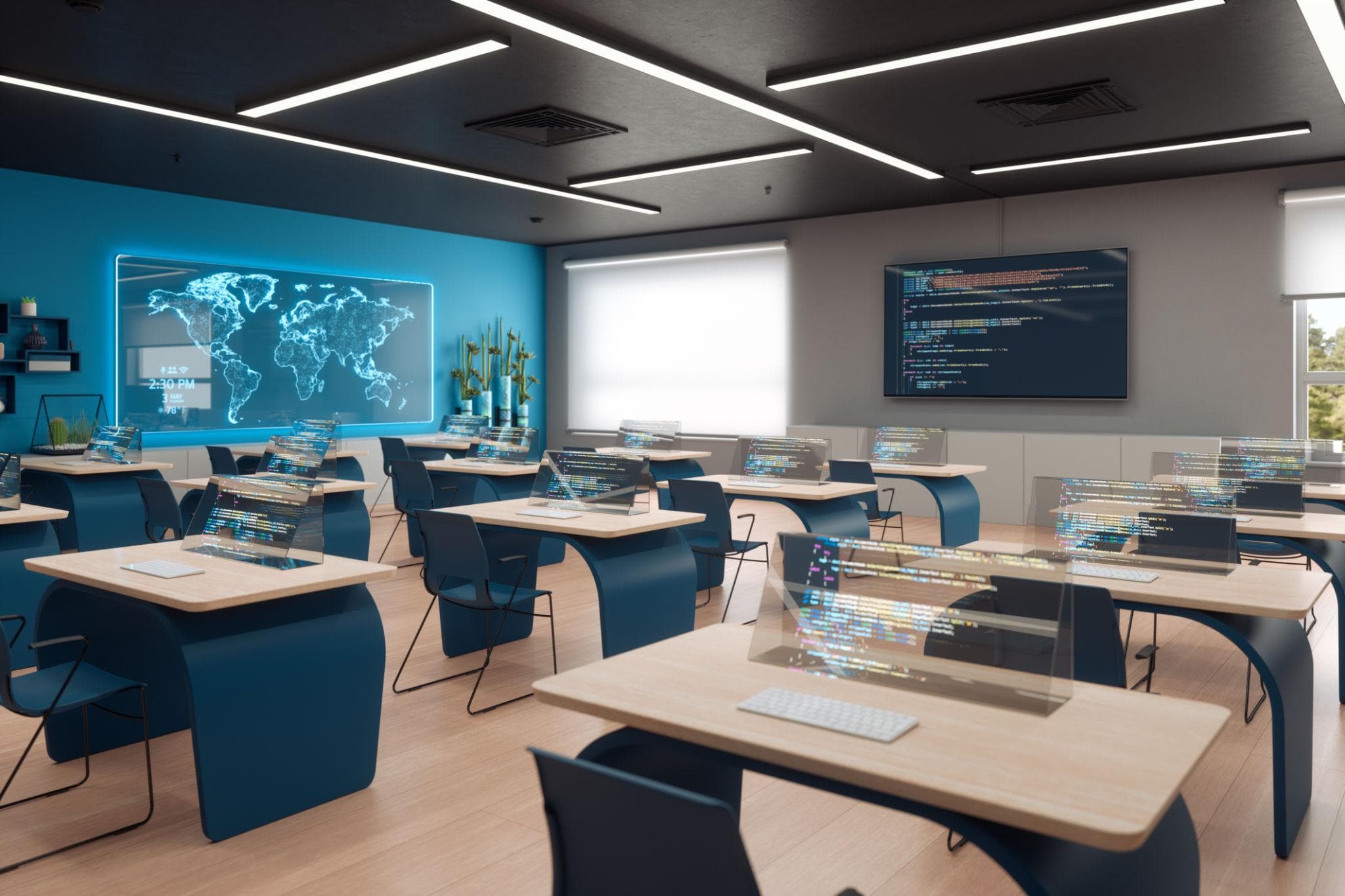
School interiors are evolving rapidly in 2026 as educational institutions focus on creating environments that support creativity, collaboration, wellness, and technology-driven learning.
Modern school interior design is no longer limited to traditional classrooms and corridors. Today’s schools are designed to improve student engagement, comfort, and overall learning experiences.
Flexible classroom layouts improve learning
Rigid classroom arrangements are being replaced with flexible learning spaces.
Modern schools now use
• Movable furniture
• Modular seating
• Collaborative desk setups
• Multi-purpose classrooms
to support interactive teaching methods and group activities.
Smart classrooms enhance digital learning
Technology integration is one of the biggest trends in educational design.
Schools are incorporating
• Interactive smart boards
• Digital projection systems
• Wireless connectivity
• AI-powered learning tools
to create advanced learning environments.
Student wellness is becoming a design priority
Modern educational interiors focus strongly on student well-being.
Schools now include
• Relaxation corners
• Natural lighting
• Indoor greenery
• Comfortable seating zones
to create stress-free and positive learning spaces.
Collaborative learning spaces encourage creativity
Traditional isolated learning models are changing.
Schools are designing
• Open discussion areas
• Breakout spaces
• Collaborative pods
• Interactive libraries
to encourage teamwork and creativity among students.
Ergonomic furniture improves comfort
Comfortable furniture supports better posture and concentration.
Educational institutions now prefer
• Height-adjustable desks
• Ergonomic chairs
• Flexible seating options
• Lightweight movable furniture
for modern classrooms.
Sustainable school interiors are growing
Sustainability is becoming essential in educational infrastructure.
Schools are adopting
• Eco-friendly materials
• Energy-efficient lighting
• Natural ventilation
• Sustainable flooring systems
to reduce environmental impact.
Acoustics play an important role in classrooms
Noise management improves concentration and communication.
Modern school interiors include
• Acoustic wall panels
• Sound-absorbing ceilings
• Noise-control flooring
• Quiet learning zones
to improve classroom performance.
Modern libraries are becoming interactive spaces
School libraries are transforming into collaborative learning hubs.
Modern library trends include
• Digital learning stations
• Flexible seating
• Reading lounges
• Interactive study areas
that support both individual and group learning.
Vibrant color psychology in educational interiors
Colors influence student mood and productivity.
Schools use
• Soft calming tones
• Creative accent colors
• Bright collaborative zones
• Natural palettes
to improve focus and engagement.
Final insight
Modern school interior design trends in 2026 focus on creating student-centered environments that combine technology, flexibility, wellness, and creativity.
Educational spaces are evolving into dynamic learning ecosystems that support academic growth, emotional well-being, and collaborative experiences for future generations.