Smart Classrooms: Technology Integration Guide for Modern Schools
Author
Priya Sharma
Published
9 May 2026
Read Time
10 to 12 min read
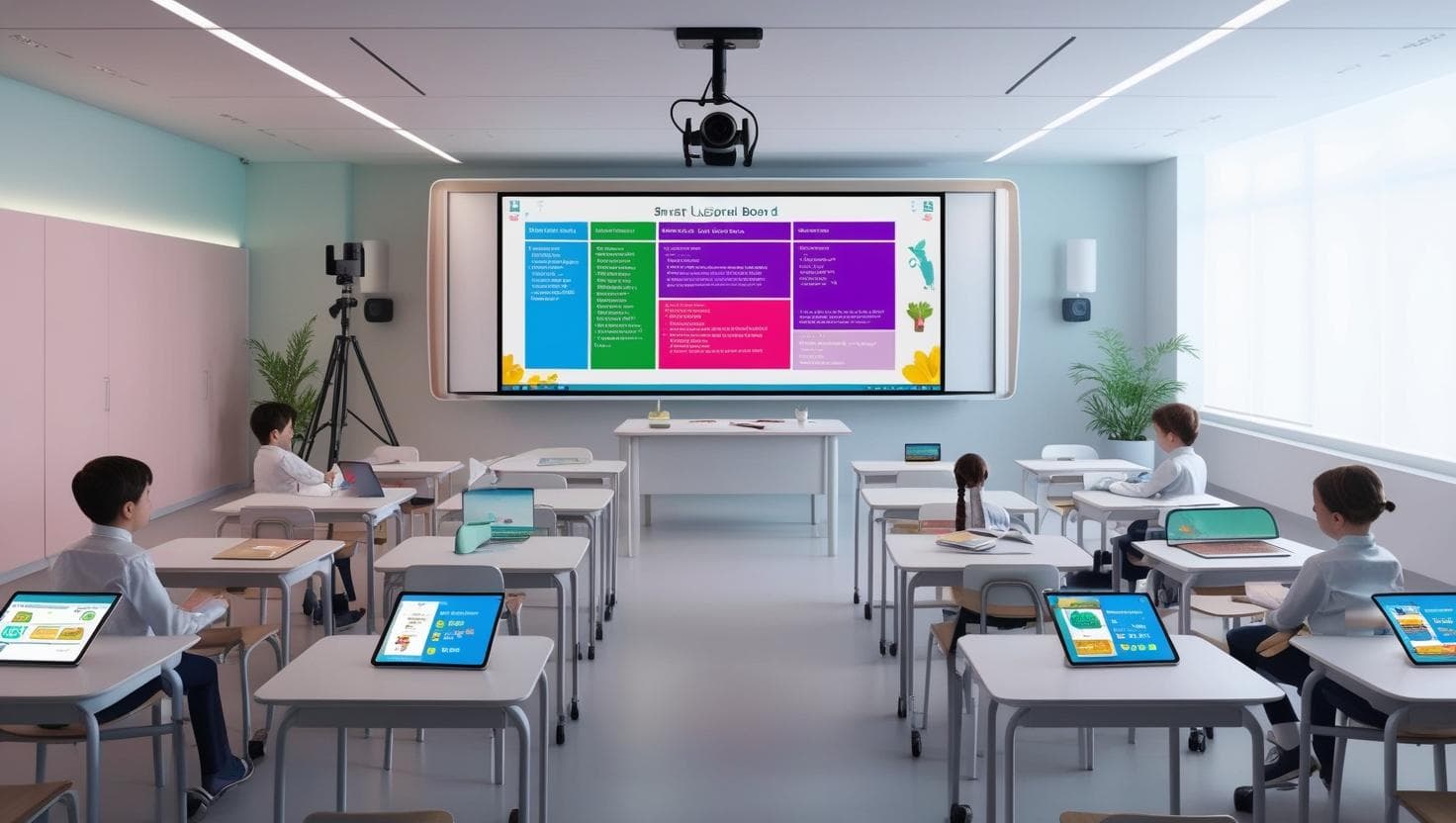
Smart classrooms are transforming the future of education by integrating advanced technology into modern learning environments. In 2026, educational institutions are focusing on connected classrooms that improve engagement, collaboration, and digital learning experiences.
Technology integration in classrooms enhances teaching methods while creating interactive and student-centered educational spaces.
What is a smart classroom
A smart classroom combines digital infrastructure, connected devices, and interactive tools to improve the learning experience.
Modern smart classrooms include
• Interactive smart boards
• Wireless presentation systems
• AI learning tools
• Digital collaboration platforms
that support modern teaching methods.
Benefits of technology integration in classrooms
Technology-enhanced classrooms improve both teaching and learning efficiency.
Smart classroom systems help
• Increase student engagement
• Support interactive learning
• Improve accessibility
• Enhance collaboration
creating more dynamic educational experiences.
Interactive smart boards improve participation
Traditional blackboards are being replaced by digital interactive displays.
Smart boards allow teachers to
• Present multimedia content
• Conduct live annotations
• Access online resources
• Encourage student participation
in real time.
Wireless connectivity supports flexible learning
Modern classrooms rely heavily on seamless connectivity.
Schools now integrate
• High-speed Wi-Fi
• Wireless screen sharing
• Cloud-based learning platforms
• Connected devices
to support digital learning environments.
AI-powered learning tools personalize education
Artificial intelligence is becoming a major part of smart classrooms.
AI systems help with
• Personalized learning paths
• Student performance analysis
• Automated assessments
• Adaptive learning experiences
to improve educational outcomes.
Audio-visual systems enhance classroom communication
Clear communication is essential in technology-driven classrooms.
Modern schools use
• Digital projectors
• Classroom speakers
• Video conferencing systems
• Wireless microphones
to improve lesson delivery and collaboration.
Classroom automation improves efficiency
Automation systems simplify classroom management.
Smart classrooms now include
• Automated lighting
• Climate control systems
• Smart attendance tracking
• Scheduled device management
to improve operational efficiency.
Ergonomic and flexible classroom furniture
Technology integration also influences furniture design.
Modern classrooms prefer
• Flexible seating
• Modular desks
• Charging-enabled furniture
• Collaborative layouts
to support digital learning activities.
Cybersecurity and digital safety in schools
As classrooms become more connected, digital security becomes important.
Educational institutions focus on
• Secure networks
• Data privacy systems
• Controlled access technology
• Safe digital platforms
to protect students and staff.
Final insight
Smart classrooms are redefining education by combining technology, flexibility, and interactive learning experiences.
Schools investing in advanced classroom technology create future-ready educational environments that improve engagement, collaboration, and academic performance for modern learners.