Luxury vs Minimalist Interiors: Which Style Works Best for Lucknow Homes?
Author
JWS Interior
Published
10 September 2026
Read Time
6 Min Read
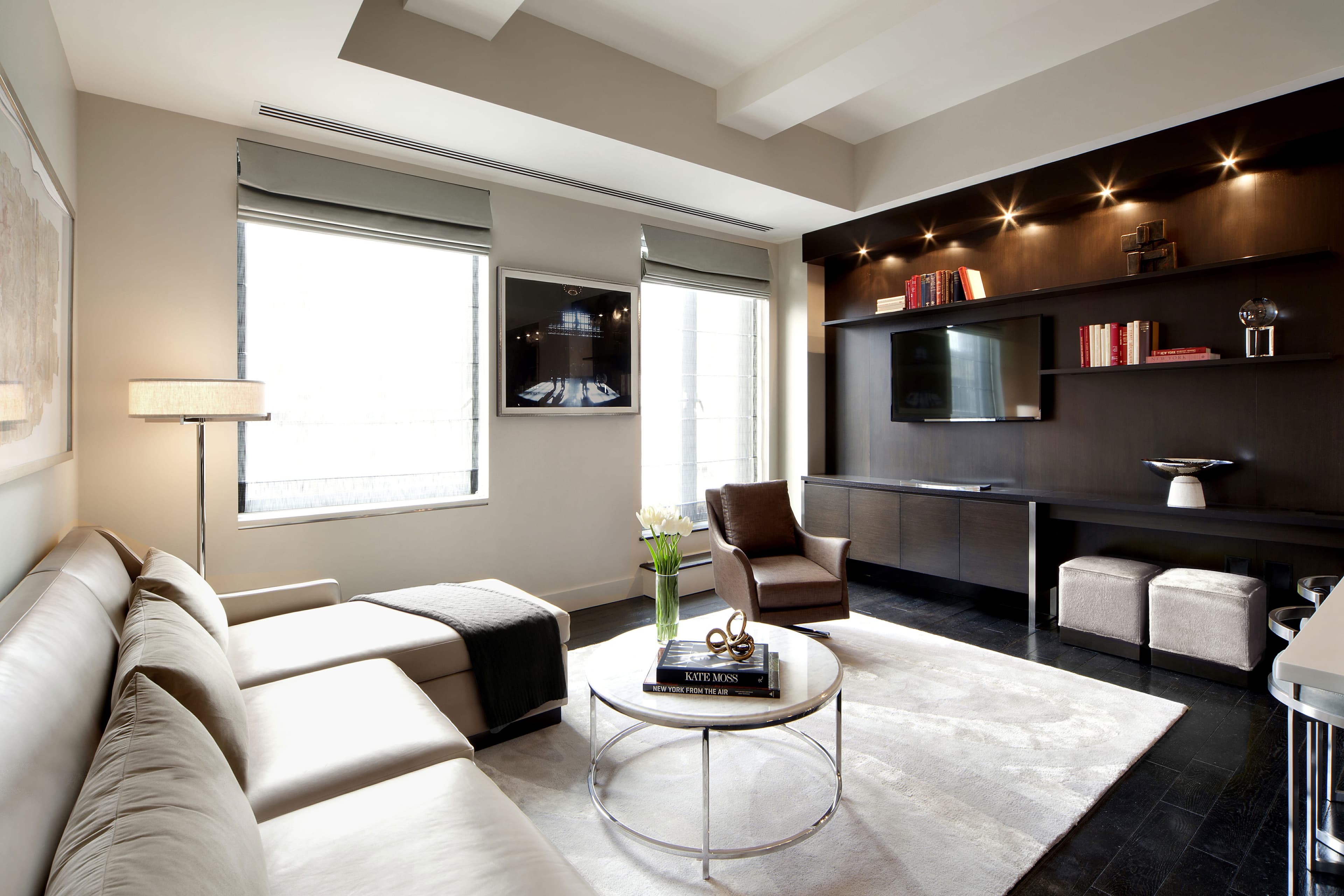
Walk into one home, and you might notice a sculptural light fixture, rich upholstery, customised furniture and carefully layered finishes. Step into the other, and it's different entirely: clean lines, open surface areas, muted colours and only a few intelligently designed items.
Both can be elegant in appearance. They are comfortable to live in too. However, which will you choose to live in day-to-day?
This is the better question to ask yourself when deciding to go with luxury or minimalist interiors. When considering the best interior decorators in Lucknow, there is more to it than visual trends alone; it's about how a specific interior design will fit into your lifestyle, your possessions and what you hope to achieve with them.
First, Forget the Idea That One Style Is Automatically Better
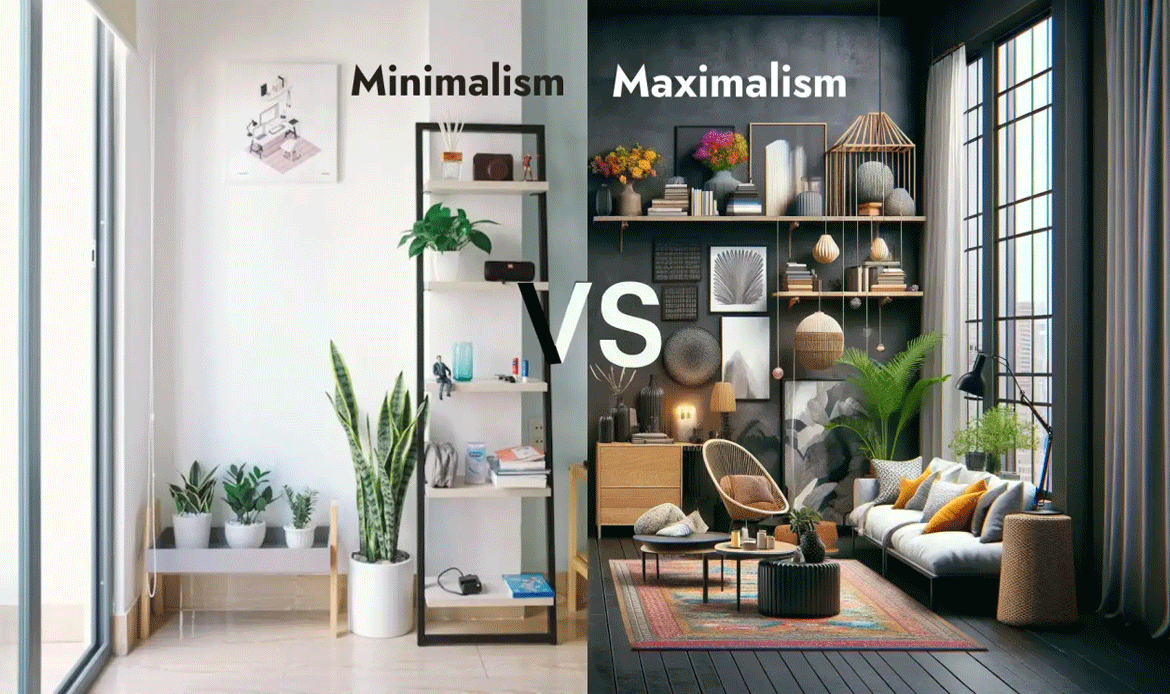
Luxury and minimalism are treated as opposites. One is related to richness and detail; the other to simplicity. In reality, however, ideal interior design isn't nearly so structured.
The right direction depends on several things:
The size and architecture of the home
How many people use the space
Everyday storage requirements
How often the family entertains guests
Preference for open or layered spaces
The amount of visual detail the homeowner enjoys
Cleaning and maintenance preferences
Personal taste rather than current trends
A beautifully designed home should support the way its occupants live. A style that looks impressive in a photograph may become frustrating if it fights against everyday habits.
What Does a Luxury Interior Actually Look Like?
Luxury does not necessarily mean adding more.
A well-planned luxury interior is usually distinguished by the thought given to materials, proportions, furniture, lighting and detailing. Instead of relying on a large number of decorative objects, the room may make its impact through a few carefully considered elements.
Customised furniture can establish character while allowing pieces to respond to the dimensions of the room. Textured surfaces, stone, wood, metal details and upholstery can create depth. Lighting can also become part of the design rather than merely serving a functional purpose.
Most importantly, luxury does not mean filling every space.
Leaving breathing room around furniture, artwork and architectural details can make individual elements more noticeable. In many sophisticated interiors, restraint is exactly what makes premium materials and craftsmanship stand out.
Minimalism Is Not an Empty White Room
Minimalism has its own misconceptions.
It does not require removing personality from a home, nor does every surface have to be white or bare. Functional minimalism is about being selective.
Furniture earns its place because it serves a purpose. Storage is planned so everyday possessions do not dominate the room. Colours and materials are usually controlled to create visual continuity, while decorative elements are chosen deliberately rather than accumulated over time.
This is also why homeowners speaking with the best interior decorators in Lucknow can benefit from discussing their routines before deciding that they want a "minimalist home". A family with substantial storage requirements may still achieve a clean appearance, but only when storage is properly incorporated into the design.
Minimalism works best when simplicity is planned rather than created by simply removing things.
Put the Two Styles Side by Side
The difference becomes easier to understand when both approaches are considered according to how a home actually functions.
Visual Character
Luxury Interior: Layered and expressive
Minimalist Interior: Calm and restrained
Furniture
Luxury Interior: Custom or statement-led
Minimalist Interior: Essential and functional
Materials
Luxury Interior: Multiple complementary textures
Minimalist Interior: More controlled material palette
Storage
Luxury Interior: Can become part of the design
Minimalist Interior: Often visually concealed
Lighting
Luxury Interior: Decorative and layered
Minimalist Interior: Simple and architectural
Decorative Elements
Luxury Interior: Carefully composed
Minimalist Interior: Limited and selective
Overall Feeling
Luxury Interior: Rich and distinctive
Minimalist Interior: Open and uncluttered
Neither column represents a fixed rulebook. A minimalist home can have a dramatic light fixture, while a luxury interior can use an extremely restrained colour palette.
The real difference is often how much visual information the homeowner wants around them.
Which Style Fits Different Lucknow Homes?
Instead of choosing according to a label, think about the people who will actually occupy the space.
The Homeowner Who Loves Hosting
For someone who frequently welcomes friends and extended family, interiors may need to feel social and inviting.
A luxury or luxury-minimal approach can work particularly well here. Statement lighting, comfortable seating, a strong dining area and selected decorative details can give entertaining spaces more presence without compromising circulation.
The Family That Dislikes Visual Clutter
Some people feel more comfortable when surfaces remain relatively clear, and everything has a defined place.
Minimalism can suit this lifestyle, provided sufficient storage is planned from the beginning. Concealed cabinetry and multifunctional furniture can keep frequently used belongings accessible without making them visually dominant.
The Homeowner With Art and Collectables
Minimalism is not automatically the answer for someone who already owns objects they love.
Artwork, books, travel pieces or distinctive furniture can become part of a more layered interior. The important part is giving them a deliberate setting rather than placing everything on display at once.
Here, the interior becomes a backdrop for personal possessions instead of competing with them.
The Busy Household
For households with demanding daily schedules, practicality may deserve greater priority.
Simpler surfaces, sensible furniture placement and organised storage can reduce visual disorder. That does not mean the home has to look plain. Interesting materials, lighting and a few stronger design features can introduce character without creating unnecessary complexity.
The Homeowner Who Wants Both
This is probably where the luxury-versus-minimalism debate becomes most interesting.
There is no requirement to choose one side completely.
There Is a Third Option: Luxury Minimalism
Luxury minimalism borrows the restraint of minimalist interiors without giving up the richness associated with premium design.
Rather than adding numerous decorative elements, it focuses attention on fewer, stronger choices.
That could mean:
Clean architectural lines
A restrained colour palette
Concealed or integrated storage
Customised furniture with simple forms
Statement lighting in selected areas
Fewer but more noticeable material finishes
One or two strong focal points
Open space around key furniture pieces
Imagine a calm living area with simple furniture and largely uninterrupted surfaces. Instead of decorating every wall, one textured finish, an expressive light fixture or a customised piece of furniture becomes the feature.
The result can feel luxurious without being visually busy.
It is also an approach that allows personality to emerge gradually. Artwork, textiles and personal objects can be introduced selectively without changing the underlying clarity of the space.
A Five-Question Test Before Choosing Your Style
Still undecided? Before collecting more reference images, answer these questions.
What should catch your attention first?
Is it artwork, furniture, lighting, materials or simply a sense of openness?How much visual detail do you enjoy?
Think about what feels comfortable after several hours at home, not what looks impressive for a few seconds online.What actually needs to be stored?
Clothes, books, appliances, children's belongings and household items need somewhere practical to go regardless of the chosen style.How often do you entertain?
Regular gatherings may change seating, dining and circulation requirements considerably.What are you likely to appreciate several years from now?
Trends change quickly. Your daily habits usually change much more slowly.
These answers are more useful than simply telling a designer, "I want luxury interiors" or "I want minimalism". The best interior decorators in Lucknow should be able to translate lifestyle requirements into a coherent space rather than forcing every homeowner into a fashionable design category.
Design for Your Life, Not Just the Label
A home does not need to declare itself completely "luxury" or "minimalist". It might have a restrained living area, a richer master bedroom, a highly practical kitchen and a more expressive entertainment space. What matters is whether these choices still feel connected as one home.
The best interiors typically result from a mix of aesthetic considerations and practical needs such as how people will use a space, what they need to store and how they will spend their time, and what they actually care about.
At JWS Interiors, we feel that the most successful interiors start with the people who will inhabit them. By combining space planning, materials, furniture, lighting, visualisation and execution, we create homes that are thoughtfully designed, personal and comfortable, not limited by a particular label of design.
Common Questions
Is luxury inteIs luxury interior design suitable only for large homes?rior design suitable only for large homes?
Can minimalist interiors still look premium?
Can luxury and minimalist interior styles be combined?
Which interior style is easier to maintain?
How do I choose an interior style for my family?
What should I discuss with an interior decorator before finalising a style?
Further Reading
Handpicked stories for your next inspiration