How to Plan a Home Interior Design Project in Lucknow
Author
jwsinterior
Published
12 August 2026
Read Time
9 min read
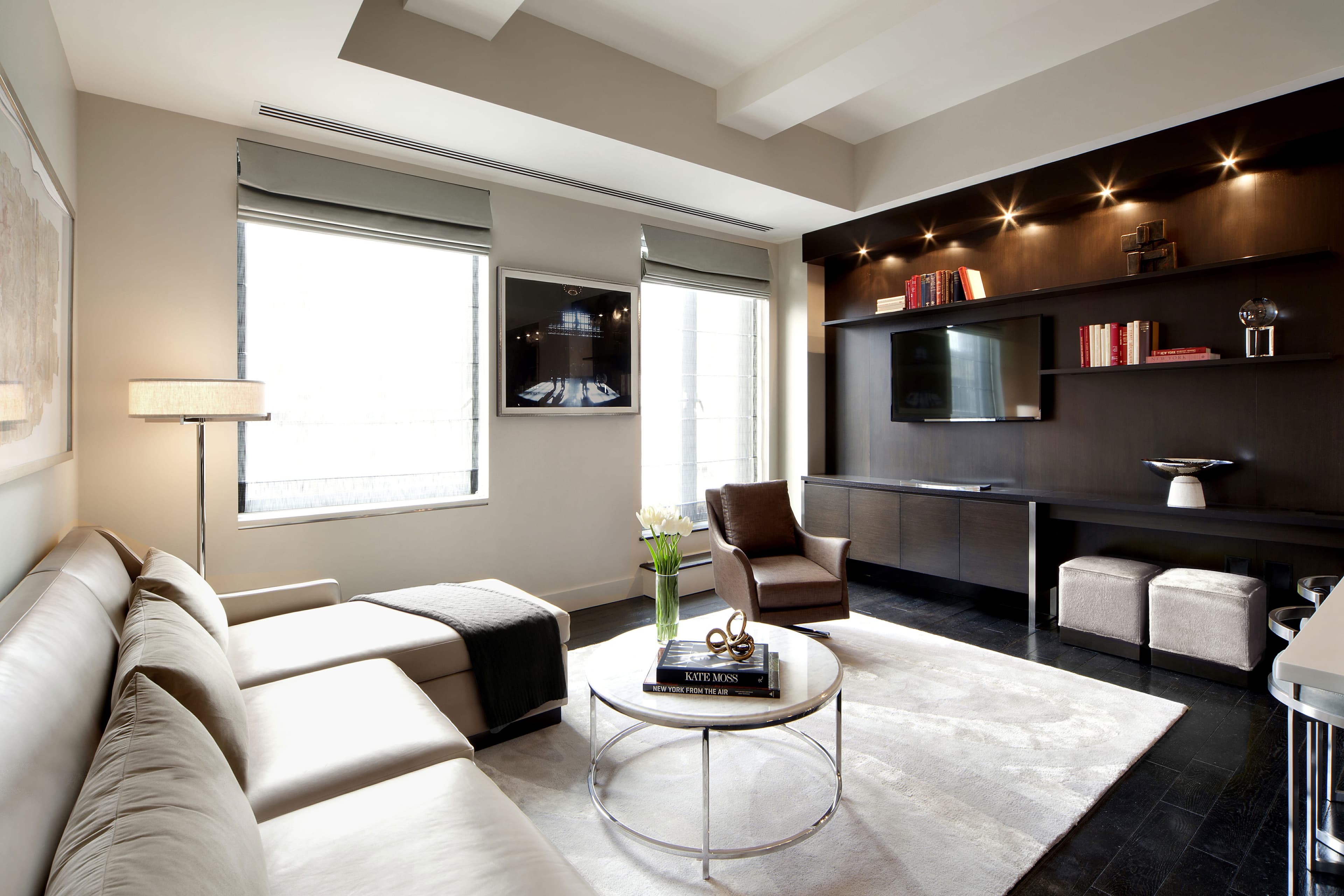
Designing your home interior can be an exciting process; if you don't prepare yourself well, it can be too overwhelming. Before work begins, there are several things that must be decided, such as selecting a design style and setting a budget, to selecting materials and arranging the designs.
If you are in the process of moving in, renovating an old home, or redesigning some of the rooms, having a plan can help you to make your home functional, comfortable, and visually appealing.
If you are thinking about executing home interior design in Lucknow, then this is the step by step guide that will assist you with the planning.
1. Understand Your Home and Space
It is important to understand the space you have first before hiring furniture, selecting furniture materials, furniture colours or furniture decorations.
Consider:
Total area of the home
Number of bedrooms
Living and dining areas
Kitchen size and layout
Number of bathrooms
Balcony or utility areas
Existing furniture
Storage requirements
Natural light and ventilation
Take accurate measurements of the rooms, doors, windows, electrical points, and plumbing locations.
This information gives your interior designer a practical starting point for creating the layout.
Why Is Space Planning Important?
A good interior isn't simply about adding more furniture. It should allow people to move comfortably through the home while providing sufficient storage and maintaining visual balance.
2. Decide Which Areas Need Interior Design
You don't necessarily have to design the entire home at once.
Make a list of the spaces you want to work on.
Essential Areas
Living room
Kitchen
Master bedroom
Children's bedroom
Bathrooms
Additional Areas
Dining area
Guest bedroom
Balcony
Home office
Entryway
Utility area
Focus on the spaces depending on your family lifestyle and day to day needs.
This can also help you allocate budgeting properly.
3. Define Your Interior Design Style
Before starting the design process, think about the kind of home you want to create.
Popular styles include:
Modern
Contemporary
Minimalist
Traditional
Transitional
Scandinavian
Industrial
Luxury
It's not necessary to use one style throughout the house.
For example, you could have a contemporary living room with warmer, more traditional elements in the bedroom.
Create a simple mood board using references of interiors, colours, furniture, lighting, and materials you like.
This will help your home interior designer in Lucknow to understand your taste.
4. Set a Realistic Budget
Budget planning should happen before finalising the design, not after.
Your interior budget may include:
Modular kitchen
Wardrobes
Furniture
False ceiling
Lighting
Electrical work
Flooring
Wall finishes
Painting
Décor
Hardware
Installation
Labour
Final costs may be considerably different depending on the size of the home, materials, finishes, customisation, scope of work, etc.
Create a Priority List
Divide your requirements into:
Must Have: Required elements to live your daily life.
Good to Have: Comfort or function enhancements that are not required.
Optional: Desirable or luxury elements that could be added, if funds permit.
This way, you won't end up wasting money.
5. Plan Your Furniture and Storage
Furniture should be selected according to the available space and not just because you like it.
Think about:
Sofa dimensions
Bed size
Dining table placement
Wardrobe requirements
TV unit
Study area
Shoe storage
Kitchen storage
Utility storage
Storage is particularly important in residential interiors.
Consider solutions such as:
Floor-to-ceiling wardrobes
Modular kitchen cabinets
Loft storage
Built-in cabinets
Under-bed storage
Multipurpose furniture
If you are looking to have an organised home without having it feel cluttered, then you will need good storage planning.
6. Plan Lighting and Electrical Points Early
Lighting should be considered during the planning stage rather than after the furniture is installed.
Your lighting plan can include:
Ambient Lighting
General illumination for the room.
Task Lighting
Focused lighting for areas such as kitchens, study desks, and dressing spaces.
Accent Lighting
Lighting used to highlight artwork, walls, furniture, or architectural features.
Also plan electrical points for:
TV
Wi-Fi router
Appliances
Charging points
Workstations
Kitchen equipment
Bedside tables
Proper electrical planning can prevent the need for modifications later.
7. Select Materials Carefully
Materials have a major impact on both the appearance and durability of your interiors.
Depending on the area, you may need to select:
Wood or boards
Laminates
Veneers
Acrylic finishes
Countertops
Tiles
Paint
Glass
Hardware
Fabrics
Don't select materials based only on appearance.
Consider:
Durability + Maintenance + Functionality + Budget + Aesthetics
For example, materials used in a kitchen should be able to withstand regular use, moisture, heat, and cleaning.
8. Think About Lucknow's Lifestyle and Climate
Your interior design should suit the local environment and the way your family uses the home.
Consider:
Ventilation
Natural light
Temperature
Dust management
Ease of cleaning
Material maintenance
Furniture placement
Choosing easy-to-maintain finishes and planning adequate ventilation can make everyday living more comfortable.
The objective isn't simply to create a visually attractive home but one that remains practical over time.
9. Choose the Right Interior Designer
Once you understand your requirements, shortlist a few interior designers in Lucknow.
When comparing designers, review:
Previous residential projects
Design style
Portfolio
Materials and finishes
Project management approach
Estimated timelines
Scope of work
Communication process
Pricing and payment terms
Look for experience with projects similar to yours.
A designer that knows your needs can help you transform your concepts into a practical design, managing technical and execution aspects of the project.
10. Understand the Design Process
Before work begins, understand how the project will move from concept to completion.
A typical process may include:
Consultation → Site Measurement → Space Planning → Concept Design → 3D Visualisation → Material Selection → Cost Finalization → Execution → Installation → Handover
Ask your designer what is included at each stage.
Also clarify:
Number of design revisions
Material approvals
Site supervision
Vendor management
Quality checks
Project updates
Handover process
Having a clearly defined process can make the project easier to manage.
11. Create a Realistic Project Timeline
Interior projects involve several activities that need to happen in the correct sequence.
For example:
Design finalization
Material selection
Civil and electrical work
Carpentry
Painting and finishing
Furniture and installation
Final styling
Discuss with your designer what you expect the time to be before you begin.
Also allow some flexibility as well for availability of materials, design changes, and the unexpected requirements on site.
12. Keep Some Budget for Unexpected Expenses
One of the things that can happen in an interior project is that you may run into costs that are not expected, despite the careful planning.
For example:
Additional electrical work
Plumbing changes
Structural repairs
Material upgrades
Design modifications
Additional storage requirements
Instead of allocating your entire budget to planned items, maintain a reasonable contingency amount.
This gives you flexibility if an unexpected requirement arises during execution.
13. Review the Final Design Before Execution
Before approving execution, carefully review the design.
Check:
Furniture placement
Storage
Lighting
Electrical points
Kitchen layout
Wardrobe interiors
Material finishes
Colours
Measurements
Door and cabinet openings
If something doesn't feel right, discuss it before execution begins.
Changes are generally easier to make during the design stage than after installation.
Home Interior Design in Lucknow: Plan Before You Execute
A successful interior project doesn't begin with furniture or paint colours. It begins with proper planning.
Start by understanding your space, defining your requirements, setting a realistic budget, choosing a design style, and planning storage, lighting, materials, and functionality.
Then work with an experienced interior designer who can take your requirements from concept to execution.
Interiors can look good and function well for daily living by careful planning, whether you're designing a new apartment or updating an old home.
While looking into home interior design in Lucknow, you can find professional guidance to make better design decisions, execute the project efficiently, and develop a home that mirrors your lifestyle.
Ready to Plan Your Home Interiors?
Turn your ideas into a functional and thoughtfully designed home.
Talk to our interior design team about your requirements, preferred style, budget, and space.