Workspace Automation: From Lighting to Climate Control
Author
Priya Sharma
Published
26 April 2026
Read Time
6 min read
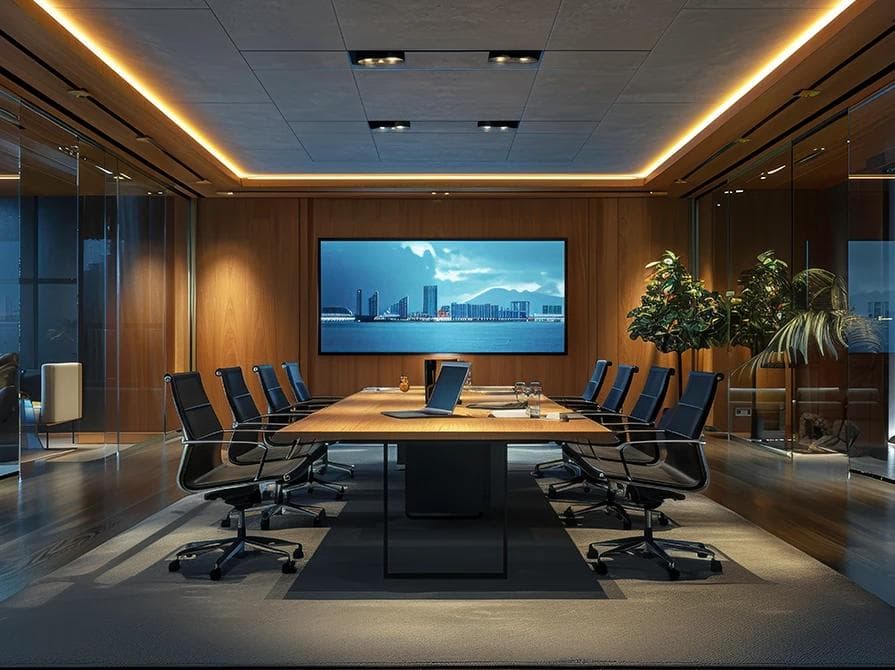
Workspace automation is redefining how modern offices operate. From lighting that adjusts automatically to climate systems that respond to occupancy, automation is making workspaces smarter, more efficient, and more comfortable.
In India, businesses are increasingly adopting automation not just for convenience, but for long term cost savings and improved employee experience.
The transition toward intelligent workplaces
Traditional offices relied heavily on manual control systems. Lights, air conditioning, and ventilation were often left running even when not needed.
Automation introduces intelligence into these systems, allowing offices to operate based on real time data and usage patterns.
Smart lighting that adapts automatically
Lighting is one of the most impactful areas of automation
• Motion sensors turn lights on or off based on occupancy
• Daylight sensors adjust brightness according to natural light
• Automated schedules reduce unnecessary usage
• Zoned lighting improves energy efficiency
These systems not only save energy but also create a comfortable working environment.
Climate control for comfort and efficiency
Temperature plays a major role in productivity
Smart HVAC systems monitor and adjust temperature automatically based on occupancy and time of day.
• Consistent indoor climate
• Reduced energy consumption
• Improved employee comfort
• Better air circulation
This creates a balanced and healthy workspace.
Integration through centralized systems
Modern automation systems are connected through a central platform
This allows facility managers to monitor and control multiple systems from a single interface
• Lighting
• HVAC
• Security
• Energy usage
Centralized control improves efficiency and simplifies operations.
Role of sensors and data
Automation relies on sensors to collect real time information
• Occupancy sensors detect movement
• Temperature sensors monitor indoor conditions
• Light sensors measure natural brightness
This data is used to make intelligent decisions without manual input.
Energy efficiency and cost savings
One of the biggest advantages of automation is reduced energy consumption
• Lights operate only when needed
• Cooling systems adjust automatically
• Resources are used efficiently
Over time, this leads to significant cost savings for businesses.
Enhancing employee experience
Automation improves not just efficiency but also comfort
Employees work better in environments with optimal lighting and temperature.
A well controlled workspace reduces fatigue and increases productivity.
Applications in different office spaces
Workspace automation can be applied across multiple areas
• Open workstations
• Meeting rooms
• Cabins and private offices
• Reception areas
Each zone can be customized based on its function.
Challenges in implementation
While automation offers many benefits, there are challenges
• Initial investment cost
• Integration with existing systems
• Need for technical expertise
• Maintenance requirements
Proper planning and professional execution are essential.
Why automation is the future of offices
Automation is not just a trend. It is becoming a standard feature in modern office design
As businesses focus on efficiency, sustainability, and employee wellbeing, automated systems will play a key role in shaping future workplaces.