Tech Integrated Conference Rooms: 2026 Guide
Author
Priya Sharma
Published
26 April 2026
Read Time
6 min read
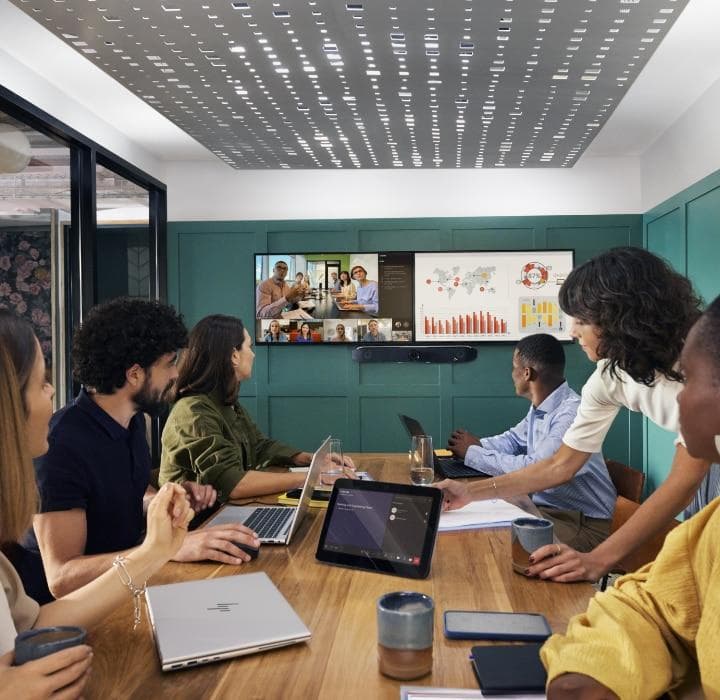
Conference rooms have evolved from simple meeting spaces into high performance environments powered by technology. In 2026, businesses are focusing on creating tech integrated conference rooms that support seamless communication, collaboration, and productivity.
In India, the demand for smart meeting spaces is growing rapidly due to hybrid work and global collaboration requirements.
How meeting spaces are transforming
Traditional conference rooms relied on basic projectors and manual setups. Today, meetings involve remote teams, digital presentations, and real time collaboration.
This shift has made technology integration essential rather than optional.
Core components of a smart conference room
A well designed tech enabled conference room includes multiple integrated systems
• High resolution display screens or smart boards
• Video conferencing cameras with wide angle coverage
• Microphones and speakers for clear communication
• Wireless screen sharing systems
These elements ensure smooth and professional meetings.
Importance of seamless connectivity
Connectivity is the backbone of modern meeting rooms
Fast internet, wireless presentation tools, and easy device integration allow users to connect instantly without technical delays.
This saves time and improves meeting efficiency.
Audio visual quality and clarity
Clear audio and video are critical for effective communication
• Noise free microphones
• Balanced speaker systems
• High quality cameras
• Proper screen placement
Good AV design ensures that both in person and remote participants have a consistent experience.
Smart automation features
Automation enhances usability and convenience
• One touch meeting start systems
• Automated lighting control
• Climate adjustment based on occupancy
• Integrated control panels
These features simplify operations and reduce manual effort.
Designing for hybrid meetings
Hybrid work has made conference rooms more dynamic
Rooms must support both physical and virtual participants equally
• Camera positioning for full room coverage
• Clear audio pickup from all directions
• Displays visible to everyone
This ensures inclusive and effective meetings.
Acoustic planning for better communication
Sound quality depends heavily on room acoustics
• Acoustic panels to reduce echo
• Soft materials to absorb sound
• Proper room dimensions
A well planned acoustic environment improves clarity and reduces fatigue.
Lighting for visibility and comfort
Lighting affects both visibility and video quality
• Balanced ambient lighting
• Avoid glare on screens
• Proper front lighting for participants
Good lighting ensures that participants appear clear during video calls.
Space planning and layout
The layout should support collaboration and comfort
• Proper seating arrangement
• Clear view of screens
• Easy movement within the room
• Organized cable management
Efficient layout enhances usability.
Common mistakes to avoid
• Ignoring acoustic design
• Poor camera placement
• Complicated technology setup
• Lack of proper lighting
Avoiding these ensures a smooth and professional meeting experience.
Why tech integrated rooms are the future
As businesses continue to expand globally and adopt hybrid work models, tech enabled conference rooms will become a standard feature
They improve communication, save time, and create a more efficient work environment.