Sustainable Office Interiors: Net Zero Workspaces Guide
Author
Priya Sharma
Published
26 April 2026
Read Time
6 min read
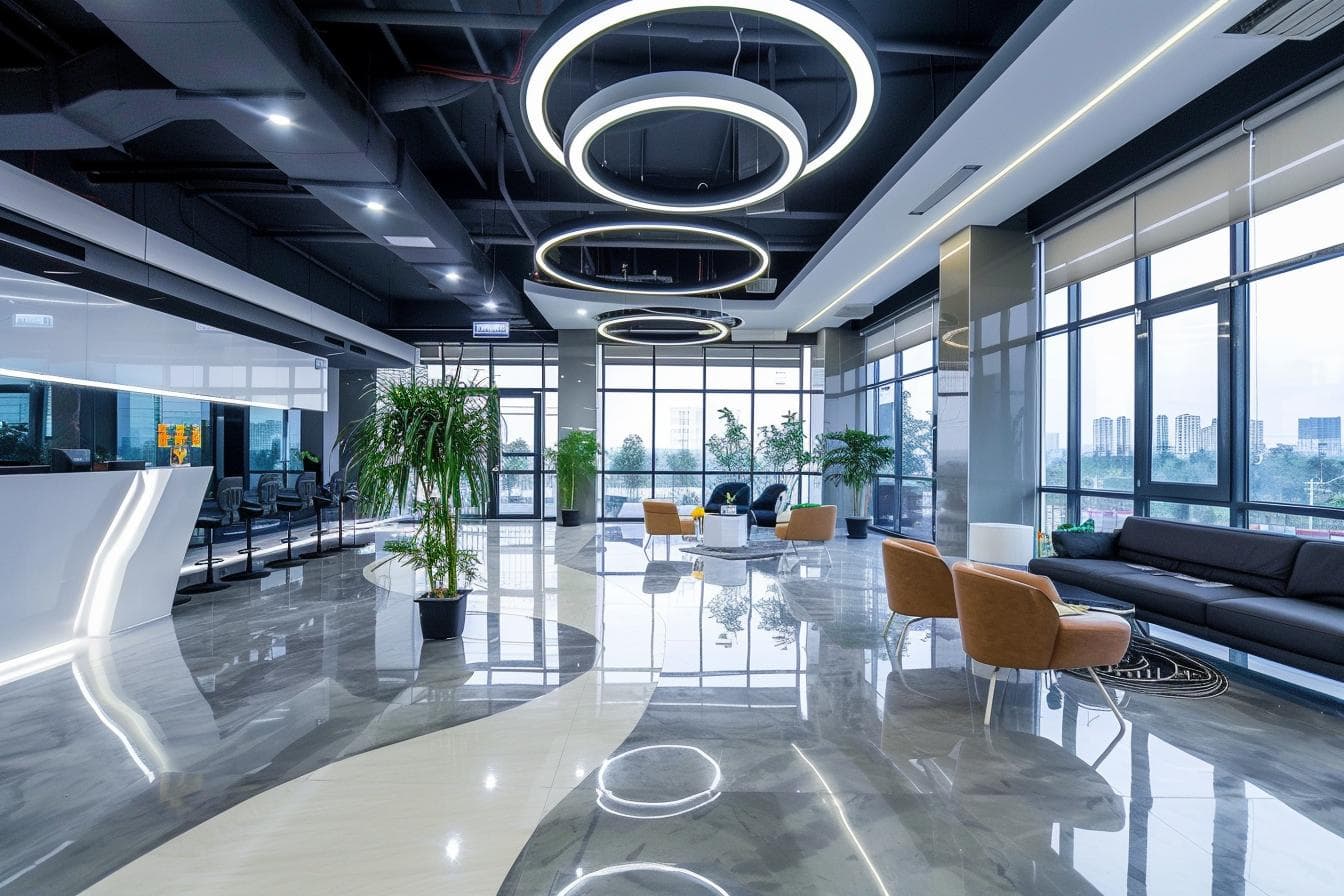
Sustainable office interiors are no longer optional. In 2026, businesses across India are actively shifting toward net zero workspaces that reduce environmental impact while improving efficiency and employee well being.
A net zero office is designed to minimize energy consumption and offset its carbon footprint through smart planning, materials, and technology.
Moving beyond traditional office design
Conventional office interiors often focus only on aesthetics and functionality. However, modern businesses are now prioritizing sustainability as a core design principle.
This shift is driven by rising energy costs, environmental awareness, and corporate responsibility goals.
Understanding net zero workspaces
A net zero workspace aims to balance energy consumption with energy generation
• Reduce overall energy usage
• Use renewable energy sources
• Optimize lighting and ventilation
• Minimize waste and emissions
The goal is to create an office that operates with minimal environmental impact.
Energy efficiency as the foundation
Energy efficient design is the first step toward sustainability
• LED lighting instead of traditional fixtures
• Smart sensors to control energy usage
• Efficient HVAC systems
• Natural daylight integration
These strategies significantly reduce operational costs over time.
Choosing eco friendly materials
Material selection plays a major role in sustainable interiors
• Recycled wood and metal
• Low VOC paints and finishes
• Bamboo and natural materials
• Sustainable flooring options
Using environmentally responsible materials reduces the carbon footprint of the workspace.
Importance of natural light and ventilation
Maximizing natural light reduces dependency on artificial lighting
Open layouts, glass partitions, and strategic window placement improve daylight flow.
Proper ventilation ensures better air quality and a healthier work environment.
Smart systems for resource optimization
Technology helps monitor and optimize resource usage
• Automated lighting systems
• Smart temperature control
• Energy monitoring tools
• Water saving fixtures
These systems ensure efficient use of resources without manual intervention.
Waste management and recycling
Sustainable offices focus on reducing waste
• Segregation of waste
• Recycling programs
• Digital workflows to reduce paper usage
• Efficient resource management
This contributes to long term environmental benefits.
Designing for employee well being
Sustainability is closely linked to employee health
Green interiors with natural elements improve air quality, reduce stress, and enhance productivity.
A healthy workspace leads to better performance and satisfaction.
Certifications and standards in India
Many offices in India are now aiming for green certifications
• LEED certification
• IGBC ratings
These standards ensure that the office meets global sustainability benchmarks.
Common challenges in implementation
• Higher initial investment
• Lack of awareness
• Limited availability of materials
• Need for expert planning
However, long term savings and benefits outweigh these challenges.
Why sustainable offices are the future
Sustainable office interiors are becoming a necessity rather than a trend
As businesses focus on long term growth and environmental responsibility, net zero workspaces will play a key role in shaping the future of office design.