Smart Retrofits: Upgrading Old Offices with Tech
Author
Priya Sharma
Published
26 April 2026
Read Time
8 min read
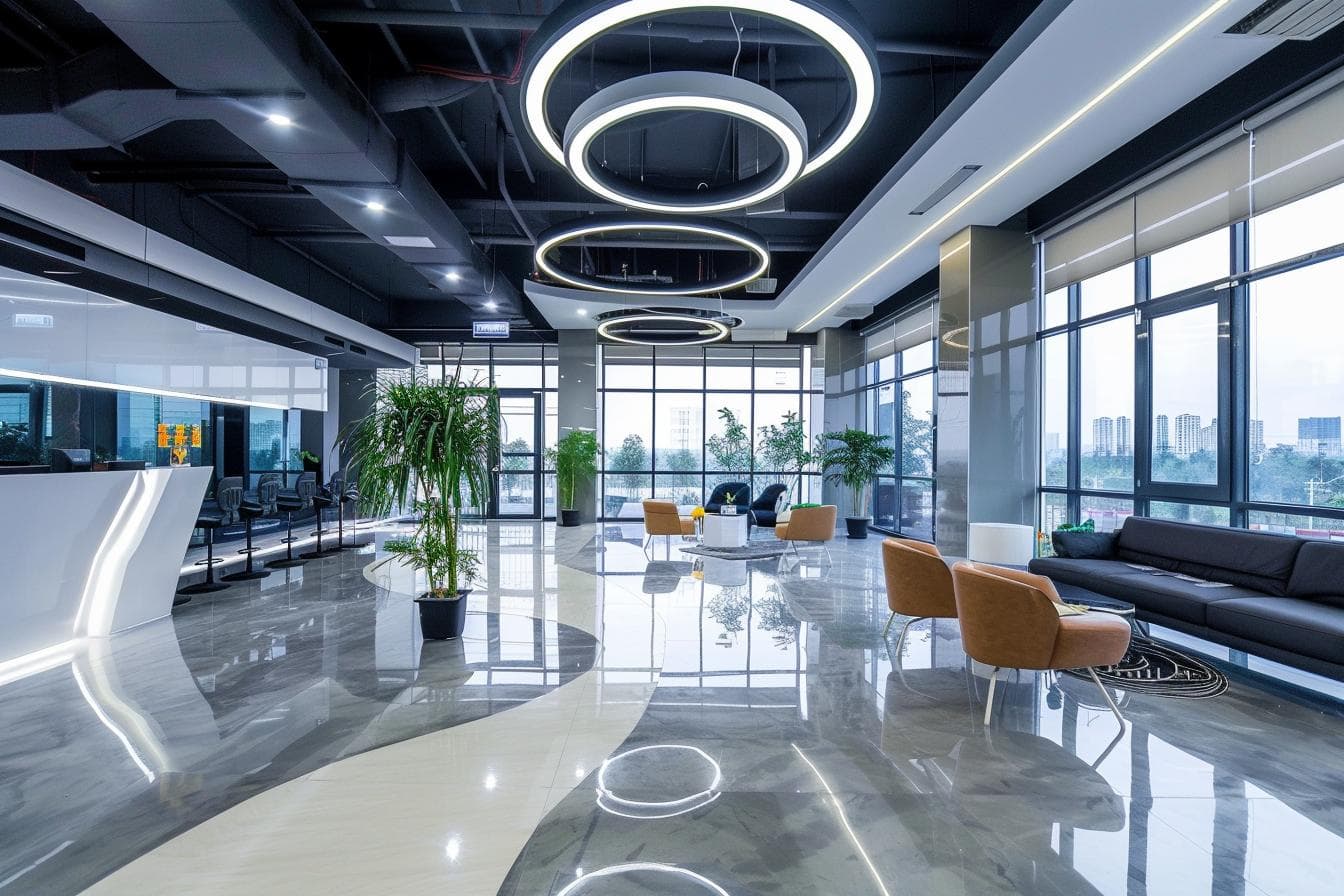
Old office spaces often struggle to meet the demands of modern work environments. Instead of complete renovation, businesses are now choosing smart retrofits—a faster and more efficient way to upgrade workspaces using technology.
Smart retrofitting focuses on integrating modern systems into existing structures to improve performance, comfort, and efficiency.
What is a smart retrofit
A smart retrofit means upgrading an existing office with technology
It includes
• Automation systems
• Smart lighting
• IoT integration
• Energy efficient solutions
This improves functionality without major reconstruction.
Why businesses are upgrading old offices
Modern workspaces demand more efficiency
Smart retrofits help
• Improve productivity
• Reduce operational inefficiencies
• Enhance employee comfort
• Modernize outdated spaces
This makes offices future ready.
Smart lighting systems
Lighting plays a major role in work environments
• Automated lighting controls
• Motion sensor lights
• Energy efficient LED systems
These improve both comfort and efficiency.
IoT and connected office systems
Smart offices rely on connected devices
• Sensors for occupancy
• Smart meeting room booking
• Real time monitoring systems
This creates a more responsive workspace.
Climate control and HVAC upgrades
Temperature control improves comfort
• Smart thermostats
• Automated HVAC systems
• Energy efficient cooling
This ensures a comfortable working environment.
Smart conference and collaboration spaces
Meetings are becoming more tech driven
• Digital screens
• Video conferencing systems
• Smart booking tools
This improves communication and collaboration.
Energy efficiency and sustainability
Smart retrofits reduce energy consumption
• Energy monitoring systems
• Efficient lighting and cooling
• Sustainable upgrades
This supports eco friendly goals.
Minimal disruption during upgrade
Unlike full renovation
• No major structural changes
• Faster execution
• Business operations continue
This is a major advantage.
Integration with existing interiors
Smart retrofits work with current setups
• Compatible systems
• Flexible installations
• Scalable solutions
This avoids unnecessary redesign.
Common mistakes to avoid
• Choosing incompatible technology
• Ignoring scalability
• Poor planning
• Lack of professional guidance
Smart planning ensures better results.
Why smart retrofits are the future
Businesses want faster, smarter upgrades
Smart retrofits offer
• Efficiency
• Flexibility
• Modern functionality
They are becoming the preferred choice for upgrading old offices.