Smart Hotel Rooms: Automation and Guest Experience
Author
Priya Sharma
Published
26 April 2026
Read Time
6 min read
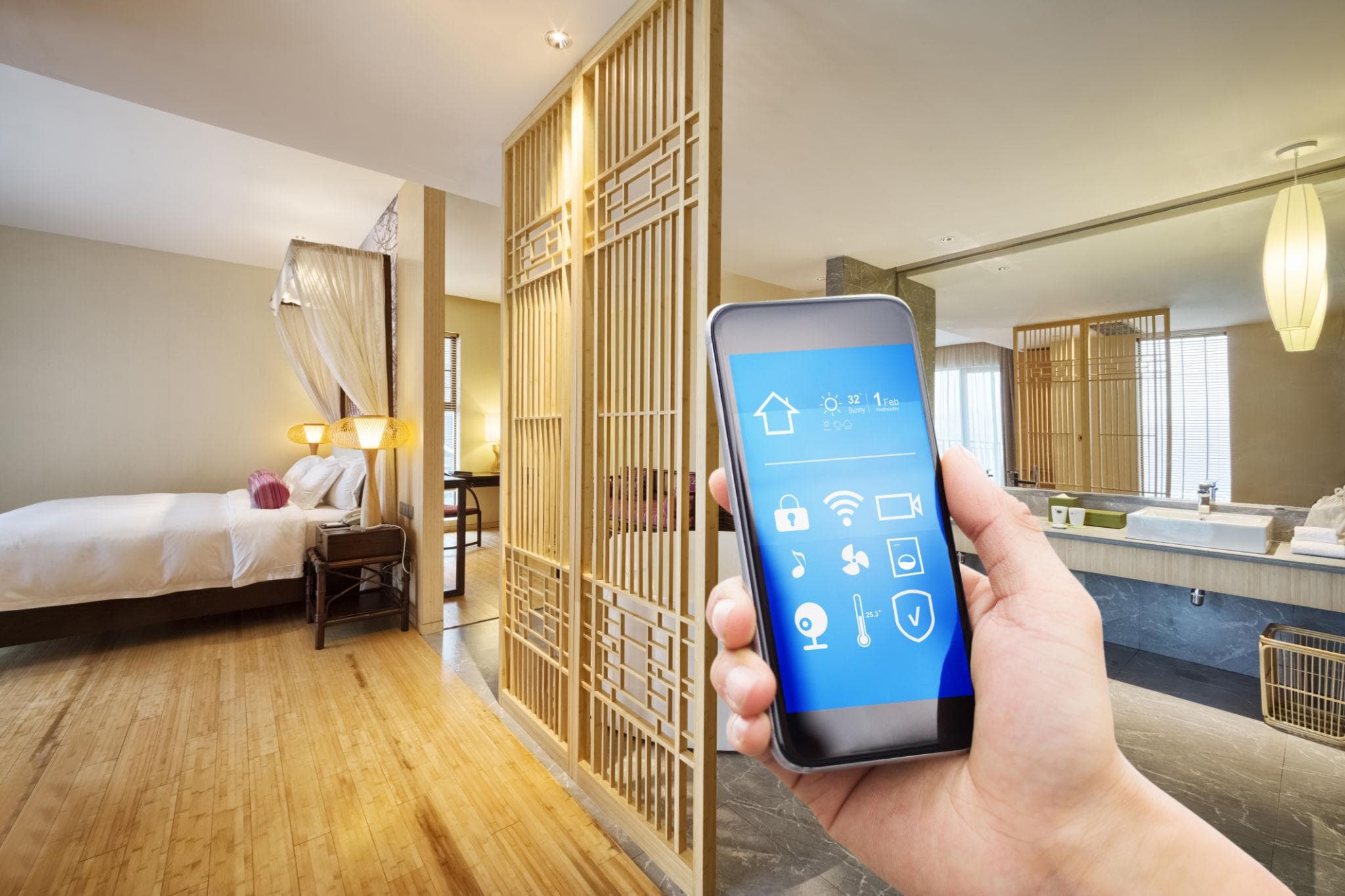
Hotel rooms are no longer just places to rest. Today, they are becoming intelligent environments designed to deliver comfort, convenience, and personalized experiences.
Smart hotel rooms use automation and connected technologies to transform how guests interact with their surroundings, making stays more seamless and enjoyable.
What makes a hotel room smart
A smart hotel room integrates multiple systems into one connected environment
These systems can be controlled through a mobile app, voice commands, or a central panel
Key features include
• Automated lighting
• Smart climate control
• Voice assisted controls
• Integrated entertainment systems
Seamless control at the guest’s fingertips
Modern guests expect convenience and speed
Smart rooms allow control of various functions without manual effort
• Adjust lighting levels instantly
• Control room temperature
• Open curtains automatically
• Access services through mobile apps
This creates a smooth and intuitive experience.
Contactless and keyless entry
Contactless technology has become essential in hospitality
Smart hotel rooms offer
• Mobile based room access
• Digital key systems
• Face recognition or RFID entry
This improves both safety and convenience.
Personalized guest experience
One of the biggest advantages of automation is personalization
Rooms can adapt based on guest preferences
• Preferred temperature settings
• Lighting moods
• Entertainment choices
This level of customization enhances guest satisfaction.
Smart lighting and ambience control
Lighting plays a major role in guest comfort
Automated systems allow
• Pre set lighting scenes
• Motion based lighting
• Energy efficient controls
Guests can switch between work, relaxation, and sleep modes easily.
Climate control for comfort and efficiency
Smart HVAC systems maintain ideal room conditions
• Automatic temperature adjustment
• Energy saving modes when room is vacant
• Real time monitoring
This ensures both comfort and sustainability.
Integrated entertainment systems
Entertainment is becoming more interactive
• Smart TVs with streaming options
• Screen mirroring from personal devices
• Voice controlled media systems
Guests can enjoy a home like experience.
Energy efficiency and sustainability
Automation helps reduce energy consumption
• Lights and AC turn off automatically when not in use
• Smart sensors monitor occupancy
• Efficient resource management
This is beneficial for both hotels and the environment.
Backend efficiency for hotels
Smart rooms also help hotel operations
• Centralized control systems
• Real time monitoring of room status
• Reduced maintenance issues
This improves overall efficiency and service quality.
Challenges in smart room implementation
• High initial setup cost
• Integration with existing systems
• Need for regular updates
• Staff training requirements
Proper planning helps overcome these challenges.
Why smart hotel rooms are the future
Technology is redefining hospitality
Guests now expect convenience, personalization, and seamless experiences
Smart hotel rooms deliver all of this while improving operational efficiency
They are becoming a standard feature in modern hotels.