Smart Glass and Adaptive Walls in Modern Offices
Author
Priya Sharma
Published
26 April 2026
Read Time
6 min read
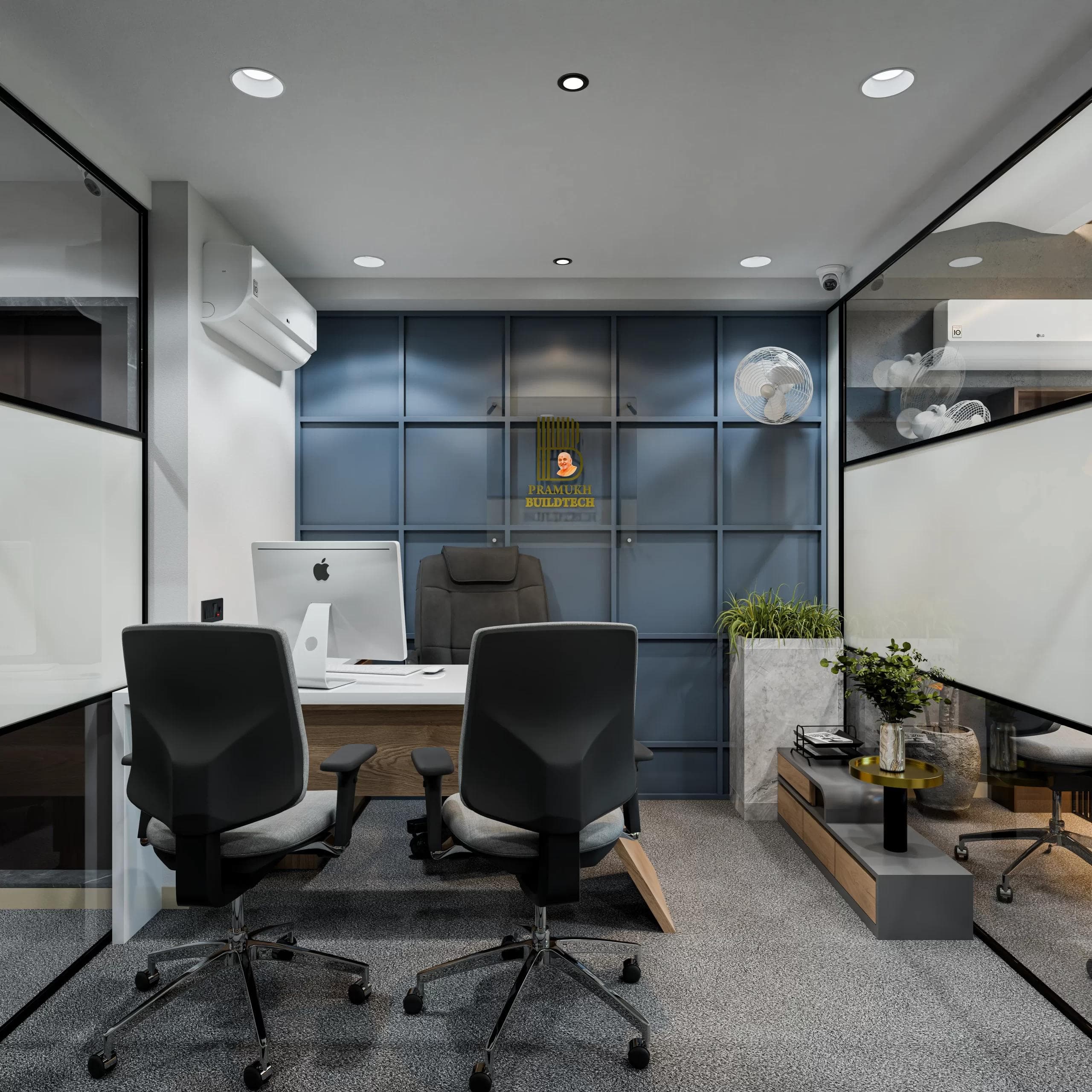
Modern office design is moving towards flexibility, transparency, and smart functionality. Smart glass and adaptive wall systems are playing a major role in this transformation by offering dynamic control over privacy, light, and space usage.
For Indian offices, where space optimization and modern aesthetics are equally important, these solutions are becoming increasingly popular.
A shift from fixed walls to flexible systems
Traditional office walls were permanent and rigid. Today, companies need spaces that can evolve with changing requirements.
Smart glass and adaptive walls allow offices to transform instantly without major structural changes, making them ideal for dynamic work environments.
What makes smart glass different
Smart glass is not just a design element. It is a technology driven solution
• It can switch from transparent to opaque instantly
• It offers privacy on demand
• It allows natural light to pass through
• It enhances the modern look of offices
This combination of functionality and aesthetics makes it a preferred choice in premium office interiors.
Adaptive walls for flexible layouts
Adaptive walls are movable or reconfigurable partitions that allow spaces to be reshaped easily
• Sliding walls for flexible room division
• Foldable partitions for multipurpose areas
• Modular panels for quick layout changes
These systems help offices adapt without permanent construction.
Privacy without losing openness
One of the biggest challenges in modern offices is balancing openness with privacy
Smart glass solves this by allowing instant control over visibility. Meeting rooms can remain open visually but turn private when required.
This improves both collaboration and confidentiality.
Improving natural light flow
Glass partitions allow natural light to travel across the office
This reduces the need for artificial lighting and creates a brighter, more comfortable environment. Employees benefit from improved mood and productivity.
Enhancing office aesthetics
Smart glass and adaptive walls give offices a premium and modern appearance
• Clean and minimal design
• Sleek glass finishes
• Seamless integration with interiors
• High end corporate feel
They elevate the overall brand image of the workspace.
Acoustic performance matters
Modern glass partitions are designed with acoustic control in mind
They reduce noise levels and ensure that meeting rooms and cabins remain quiet, even in open office layouts.
Ideal applications in office spaces
Smart glass and adaptive walls can be used in multiple areas
• Conference rooms
• CEO cabins
• Meeting rooms
• Collaboration zones
• Reception areas
They provide flexibility across different office functions.
Practical considerations for Indian offices
Before installing smart glass systems, companies should consider
• Budget and installation cost
• Maintenance requirements
• Power supply for smart glass
• Compatibility with existing design
Proper planning ensures long term benefits.
Common mistakes to avoid
• Using glass without proper acoustic planning
• Overusing partitions in small spaces
• Ignoring maintenance needs
• Choosing low quality materials
Avoiding these mistakes ensures durability and performance.
Why these systems are the future
Smart glass and adaptive walls represent the future of office design
They offer flexibility, efficiency, and modern aesthetics in a single solution. As workspaces continue to evolve, these systems will become a standard feature in commercial interiors.