Smart Check in and Reception Design Trends
Author
Priya Sharma
Published
26 April 2026
Read Time
6 min read
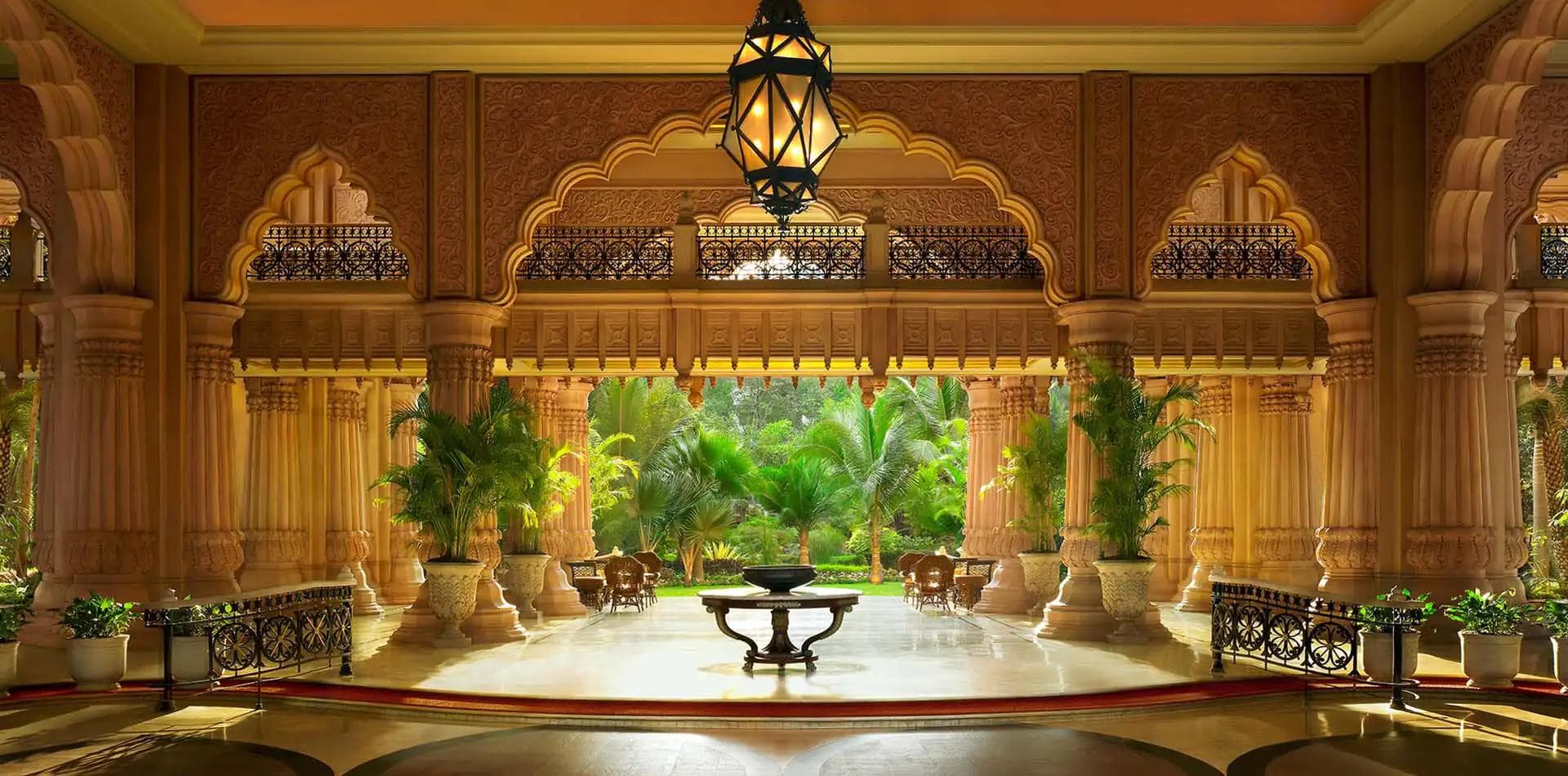
The reception area is the first point of interaction between a guest and a hotel. With evolving technology and changing guest expectations, traditional check in systems are being replaced by smarter, faster, and more efficient solutions.
Modern reception design is now focused on creating seamless experiences while maintaining a strong visual impact.
Why reception design matters
First impressions are critical in hospitality
A well designed reception helps
• Create a welcoming atmosphere
• Improve guest flow
• Reduce waiting time
• Enhance brand perception
It sets the tone for the entire stay.
Shift towards smart check in systems
Hotels are moving towards digital solutions
• Self check in kiosks
• Mobile based check in
• Digital key access
These systems reduce dependency on manual processes.
Contactless and seamless experiences
Post pandemic preferences have changed
Guests prefer
• Minimal physical interaction
• Quick and hassle free check in
• Touch free systems
Contactless design improves both safety and convenience.
Minimal and clutter free reception layouts
Modern design focuses on simplicity
• Clean and open spaces
• Compact reception desks
• Organized layout
This improves both aesthetics and functionality.
Digital kiosks and automation
Automation improves efficiency
• Self service kiosks
• Digital payment systems
• Automated guest management
These reduce waiting time and improve operations.
Smart queue management systems
Managing crowd flow is essential
• Digital token systems
• Clear waiting zones
• Efficient staff movement
This ensures smooth check in experience.
Lighting and ambience in reception areas
Lighting creates the first impression
• Warm and welcoming lighting
• Highlighted reception desk
• Decorative fixtures
Good lighting enhances visual appeal.
Branding through reception design
Reception reflects the hotel’s identity
• Logo placement
• Brand colors
• Feature walls
Strong branding improves recall and recognition.
Multi functional reception spaces
Reception areas are becoming more versatile
• Waiting lounge integration
• Co working corners
• Social interaction zones
This improves space utilization.
Technology integration for better experience
Smart systems enhance guest comfort
• Integrated booking systems
• Real time data access
• App based services
Technology ensures smooth operations.
Common mistakes to avoid
• Overcrowded layouts
• Poor signage
• Lack of technology integration
• Inefficient staff movement
Avoiding these ensures a better experience.
Why smart reception design is the future
Guests expect speed, convenience, and comfort
Smart check in systems combined with modern design create efficient and welcoming spaces
This makes reception design a key element in hospitality success.