Small Retail Store Layout Optimization Guide for Better Sales
Author
Priya Sharma
Published
9 May 2026
Read Time
10 to 12 min read
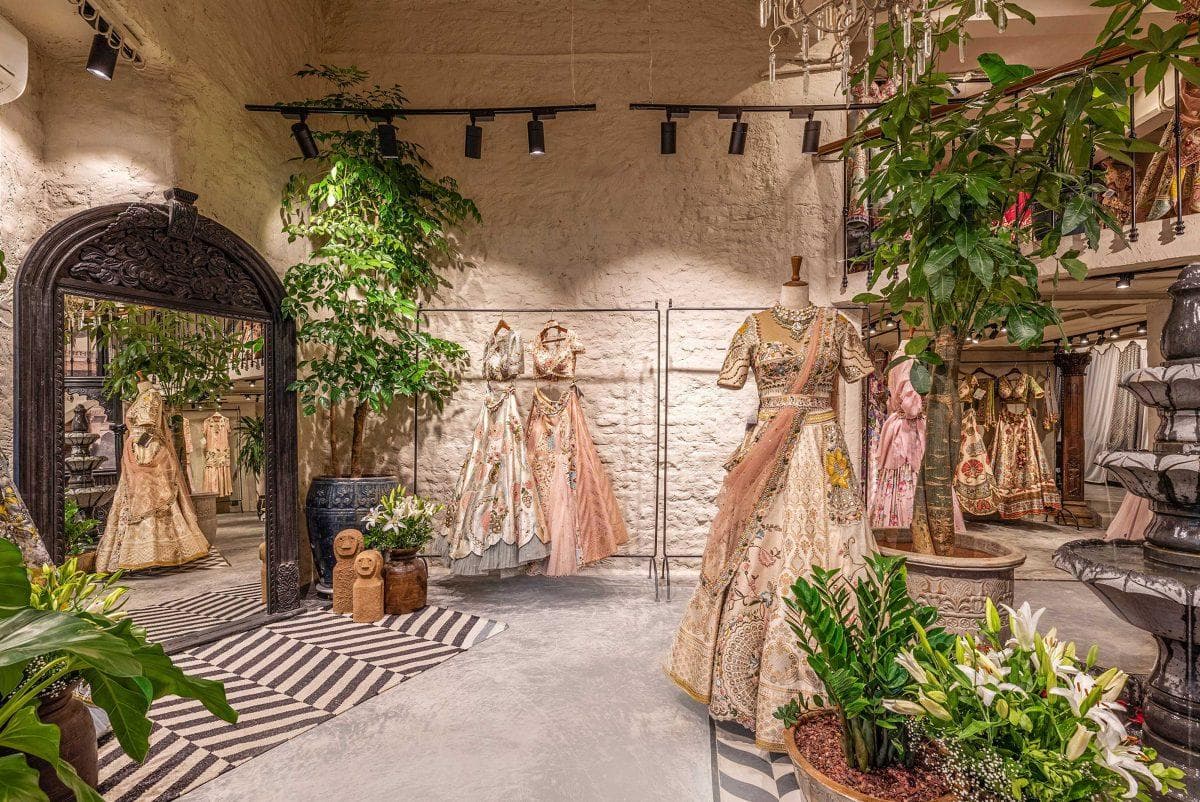
Small retail stores face unique challenges when it comes to layout planning. Limited space, product organization, and customer movement must all work together efficiently to create a smooth shopping experience.
A well-optimized retail layout can significantly improve customer engagement, product visibility, and overall sales performance.
Why layout optimization matters in small retail stores
A poor layout can make stores feel crowded and confusing.
Optimized retail layouts help
• Improve customer movement
• Increase product visibility
• Reduce clutter
• Enhance shopping comfort
which leads to better customer satisfaction.
Understanding customer movement patterns
Retail layout planning begins with understanding how customers move inside the store.
Most retailers focus on
• Entrance visibility
• Walking paths
• Product focal points
• Checkout accessibility
to guide customer flow naturally.
Smart zoning improves space efficiency
Dividing the store into functional zones improves organization.
Common retail zones include
• Feature display area
• Product shelves
• Billing counter
• Trial or waiting zone
This creates a more structured shopping experience.
Vertical displays maximize limited space
Small stores benefit greatly from vertical storage and display systems.
Retailers use
• Wall-mounted shelves
• Tall display units
• Hanging racks
• Floating shelves
to maximize product display without occupying floor space.
Minimal clutter creates a premium feel
Overcrowded displays reduce product visibility.
Modern small retail interiors focus on
• Minimal product arrangement
• Organized shelving
• Clear walking space
• Clean visual presentation
to create a more comfortable shopping environment.
Lighting improves visual appeal
Lighting plays a major role in highlighting products and improving store ambiance.
Retail designers use
• Accent lighting
• Spotlights
• LED shelving lights
• Warm ambient lighting
to enhance visibility and attract attention.
Flexible fixtures improve adaptability
Modular fixtures help stores adapt quickly to changing trends and inventory.
Flexible systems allow retailers to
• Rearrange displays easily
• Create seasonal layouts
• Introduce promotional zones
• Optimize traffic flow
without major renovation work.
Checkout placement affects customer flow
The billing counter should not block circulation.
Ideal checkout placement
• Maintains smooth movement
• Improves security visibility
• Encourages impulse purchases
• Creates efficient exit flow
for better operational efficiency.
Technology integration in small retail stores
Modern retail technology improves both convenience and management.
Popular integrations include
• Digital billing systems
• Smart inventory tracking
• Interactive displays
• Contactless payment systems
to enhance customer experience.
Final insight
Small retail store layout optimization is not just about saving space—it is about improving functionality, customer engagement, and sales performance.
By combining smart zoning, vertical storage, strategic lighting, and flexible layouts, retailers can transform compact stores into highly efficient and visually attractive shopping environments.