Retail Store Design Trends That Drive Sales in 2026
Author
Priya Sharma
Published
27 April 2026
Read Time
6 min read
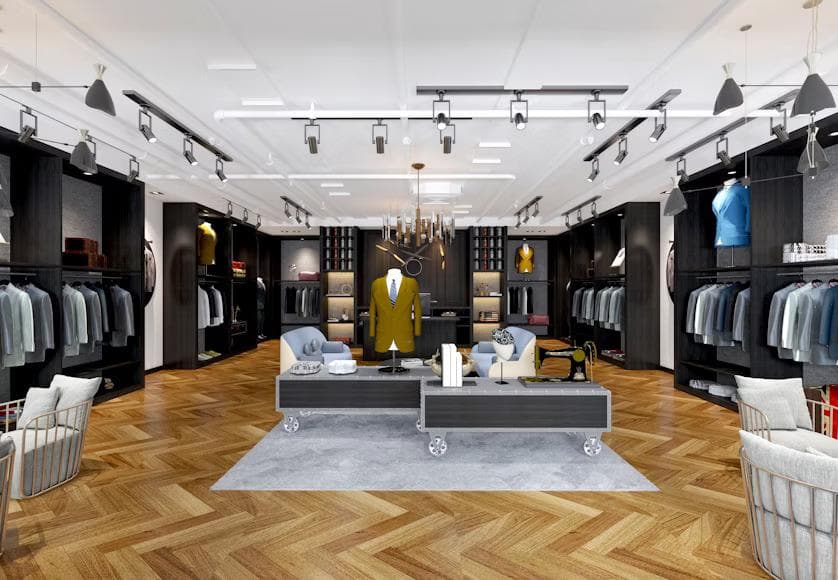
Retail design in 2026 is no longer just about displaying products—it’s about creating experiences that influence how customers feel, move, and ultimately purchase.
Modern retail spaces are becoming immersive environments where design directly impacts footfall, engagement, and conversion rates. Businesses that understand this shift are seeing stronger customer retention and higher sales.
Experience-first retail design
Stores are now designed around experiences, not just products
• Interactive zones
• Product demo areas
• Social media-friendly corners
Customers today want to feel the brand, not just see it
Smart layouts that guide buying behavior
Layout plays a major role in sales
• Clear navigation paths
• Strategic product placement
• Open entry zones
A well-planned layout naturally guides customers toward purchase decisions.
Phygital retail (Physical + Digital integration)
Digital integration is transforming stores
• Smart mirrors
• Interactive screens
• QR-based product info
This blends online convenience with offline experience
Visual merchandising that converts
Modern visual merchandising is data-driven
• Eye-level product placement
• Dynamic displays
• Seasonal storytelling
Indian brands are using experiential displays to boost conversions
Lighting that influences mood and sales
Lighting is a powerful sales tool
• Warm ambient lighting
• Focus lights on products
• Layered lighting design
Good lighting increases product visibility and customer comfort.
Modular and flexible store design
Retail needs adaptability
• Movable fixtures
• Modular shelving
• Reconfigurable layouts
This helps stores update quickly for new collections
Brand storytelling through interiors
Stores now reflect brand identity
• Unique themes
• Local cultural elements
• Story-driven design
Retail spaces are becoming brand experience centers.
Community-driven retail spaces
Stores are turning into social hubs
• Workshops and events
• Customer interaction zones
• Experience corners
This increases engagement and repeat visits.
Sustainability as a sales driver
Customers prefer eco-conscious brands
• Sustainable materials
• Low-waste design
• Energy-efficient lighting
Sustainability now influences buying decisions
Data-driven store optimization
Retailers are using data to improve design
• Customer movement tracking
• Heatmaps for layout
• Product performance insights
This helps optimize store performance continuously.
Emotional design and comfort
2026 design focuses on feelings
• Warm minimalism
• Comfortable layouts
• Calming environments
Customers stay longer in emotionally engaging spaces
Final insight
Retail store design in 2026 is directly linked to sales performance
From smart layouts to immersive experiences, every design element plays a role in influencing customer decisions
Businesses that invest in experience-driven, tech-enabled, and flexible retail design will lead the market