Restaurant Interior Design Trends That Increase Footfall
Author
Priya Sharma
Published
26 April 2026
Read Time
6 min read
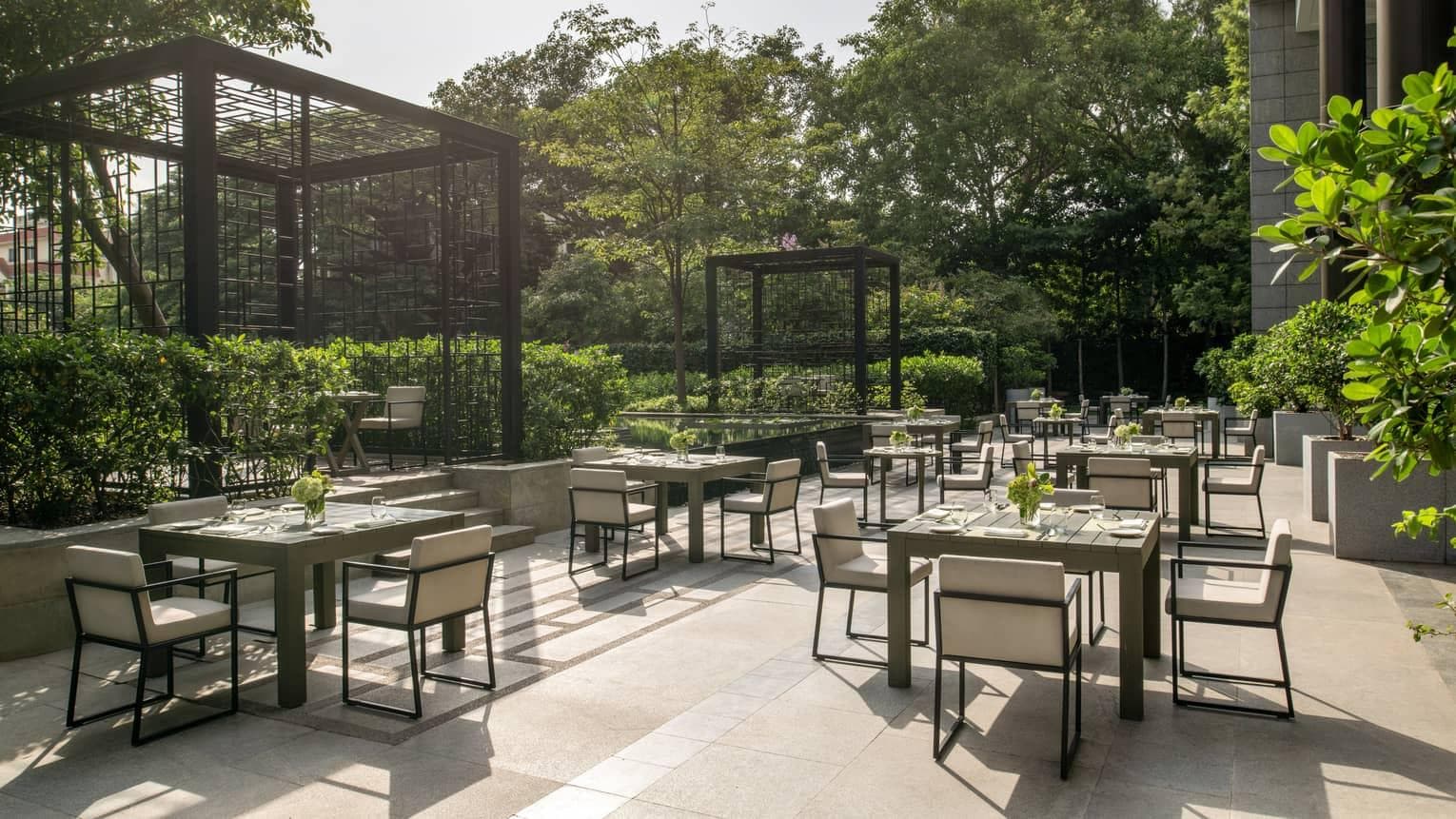
Restaurant success today is not just about food. The way a space looks and feels plays a major role in attracting customers and encouraging repeat visits.
Interior design has become a powerful tool to increase footfall, improve customer experience, and build a strong brand identity.
Why interior design impacts footfall
Customers are drawn to spaces that feel inviting and visually appealing
A well-designed restaurant can
• Attract walk in customers
• Encourage longer stays
• Improve customer satisfaction
• Increase social media visibility
Design directly influences customer decisions.
Creating a strong first impression
The entrance and facade are critical
• Eye catching signage
• Unique entry design
• Clear brand identity
A strong first impression encourages customers to step inside.
Theme based design for uniqueness
Restaurants with clear themes stand out
• Industrial style
• Rustic or traditional concepts
• Modern minimal design
A strong theme creates a memorable identity.
Instagram worthy interiors
Social media plays a major role in marketing
Design elements that work well
• Feature walls
• Neon signs
• Artistic decor
• Styled photo corners
These encourage customers to share their experience online.
Lighting that enhances ambience
Lighting defines the mood of the space
• Warm lighting for comfort
• Accent lighting for highlights
• Decorative fixtures for style
Good lighting improves both ambience and food presentation.
Smart layout and seating planning
Layout directly affects customer flow
• Efficient seating arrangement
• Comfortable spacing
• Easy movement for staff and customers
A well-planned layout increases capacity without overcrowding.
Open kitchen concepts
Transparency builds trust
• Customers can see food preparation
• Adds visual engagement
• Enhances dining experience
Open kitchens are becoming a popular trend.
Comfortable and flexible seating
Seating plays a major role in customer experience
• Mix of seating types
• Lounge style seating for relaxation
• Compact seating for small spaces
Flexibility ensures better utilization.
Use of colors and materials
Colors influence mood and perception
• Warm tones create comfort
• Bold colors attract attention
• Natural materials add authenticity
Material selection enhances overall design quality.
Outdoor and rooftop dining
Outdoor spaces attract more customers
• Rooftop seating
• Garden cafes
• Open air dining
These provide a unique experience and increase footfall.
Technology integration in restaurants
Modern restaurants use technology to improve service
• Digital menus
• Smart lighting systems
• Contactless ordering
This enhances convenience and efficiency.
Common mistakes to avoid
• Overcrowded layouts
• Poor lighting
• Lack of theme consistency
• Ignoring customer comfort
Avoiding these ensures a balanced design.
Why design is key to restaurant success
Interior design is a major factor in attracting and retaining customers
A well-designed restaurant creates a memorable experience that goes beyond food
This leads to higher footfall and better brand recognition.