Outdoor Dining Space Design Trends 2026
Author
Priya Sharma
Published
26 April 2026
Read Time
6 min read
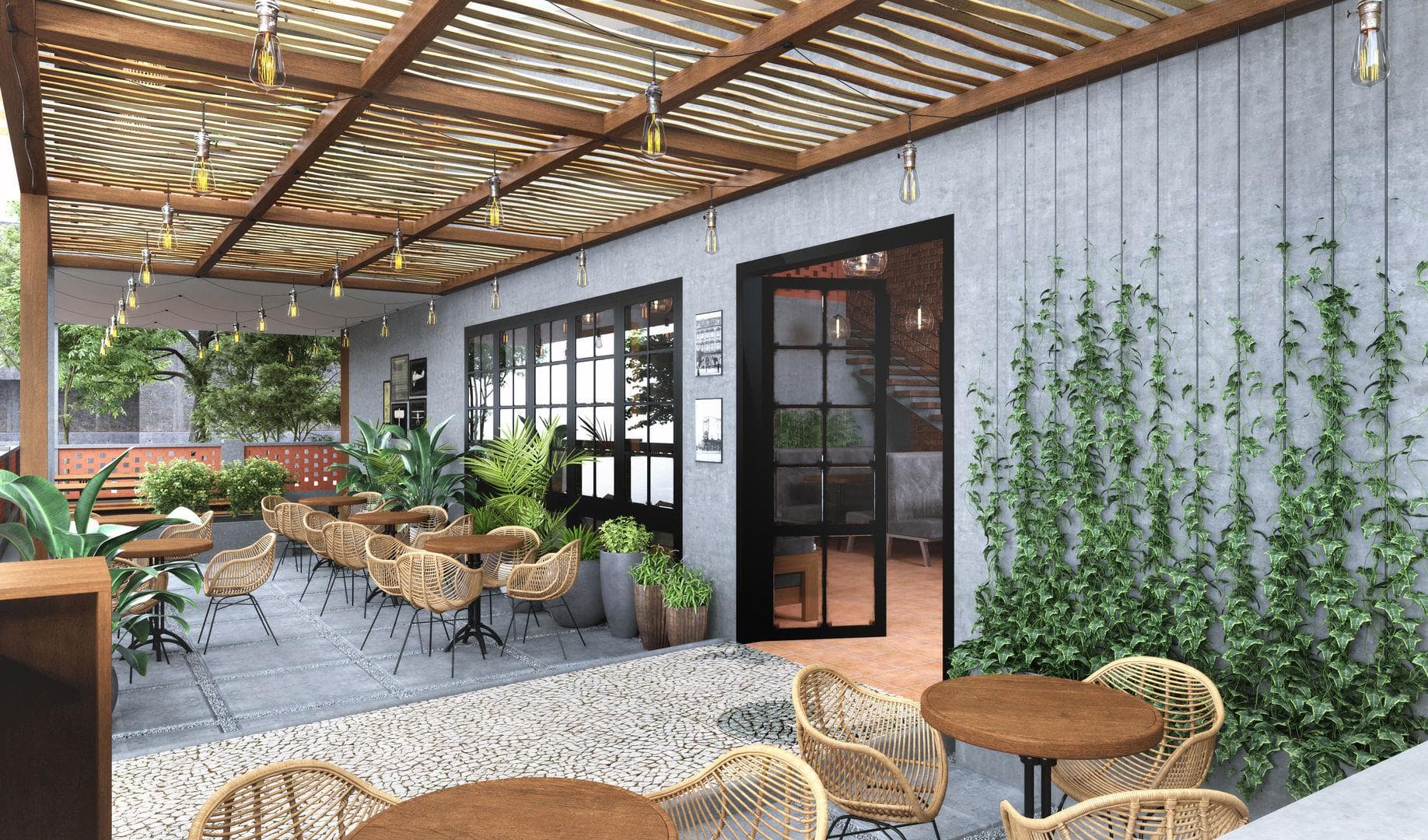
Outdoor dining spaces have become a major attraction in the hospitality industry. Customers are increasingly drawn to open environments that offer fresh air, aesthetic appeal, and a relaxed atmosphere.
Designing an outdoor dining space requires a balance between comfort, functionality, and visual appeal.
Why outdoor dining is gaining popularity
Open spaces create a unique experience
Outdoor dining helps
• Attract more customers
• Increase seating capacity
• Offer a refreshing environment
• Enhance overall ambience
It adds value to the dining experience.
Rooftop and terrace dining concepts
Rooftop spaces are highly attractive
• City view seating
• Stylish furniture
• Ambient lighting
These spaces create a premium dining experience.
Garden and nature inspired dining
Nature based designs are calming
• Green plants and landscaping
• Natural materials
• Open air layouts
This creates a peaceful and inviting atmosphere.
Weather protection and comfort
Outdoor spaces must handle climate conditions
• Pergolas and canopies
• Retractable roofs
• Rain protection systems
Comfort ensures customers stay longer.
Cooling and ventilation solutions
Temperature control is important
• Outdoor fans
• Mist cooling systems
• Natural airflow design
These improve comfort in warm climates.
Lighting for outdoor ambience
Lighting defines the night experience
• String lights
• Warm ambient lighting
• Decorative fixtures
Proper lighting creates a cozy atmosphere.
Furniture for outdoor durability
Outdoor furniture must be strong and comfortable
• Weather resistant materials
• Lightweight and movable furniture
• Comfortable seating
Durability ensures long term use.
Instagram friendly outdoor setups
Visual appeal attracts customers
• Aesthetic decor
• Photo friendly corners
• Unique design elements
These boost social media visibility.
Space planning and layout
Efficient layout improves usability
• Proper spacing between tables
• Easy movement
• Balanced seating arrangement
Good planning enhances customer experience.
Use of colors and textures
Design elements create personality
• Earthy tones for natural feel
• Bright colors for vibrant spaces
• Mix of textures
This enhances overall aesthetics.
Common mistakes to avoid
• Ignoring weather conditions
• Poor lighting
• Uncomfortable seating
• Overcrowded layouts
Avoiding these ensures better functionality.
Why outdoor dining design matters
Outdoor spaces create memorable dining experiences
A well designed setup attracts customers and improves satisfaction
It plays a key role in increasing footfall and brand appeal.