Neutral Color Palette: How to Use It Perfectly for a Modern Home
Author
Rahul
Published
20 April 2026
Read Time
8 min read
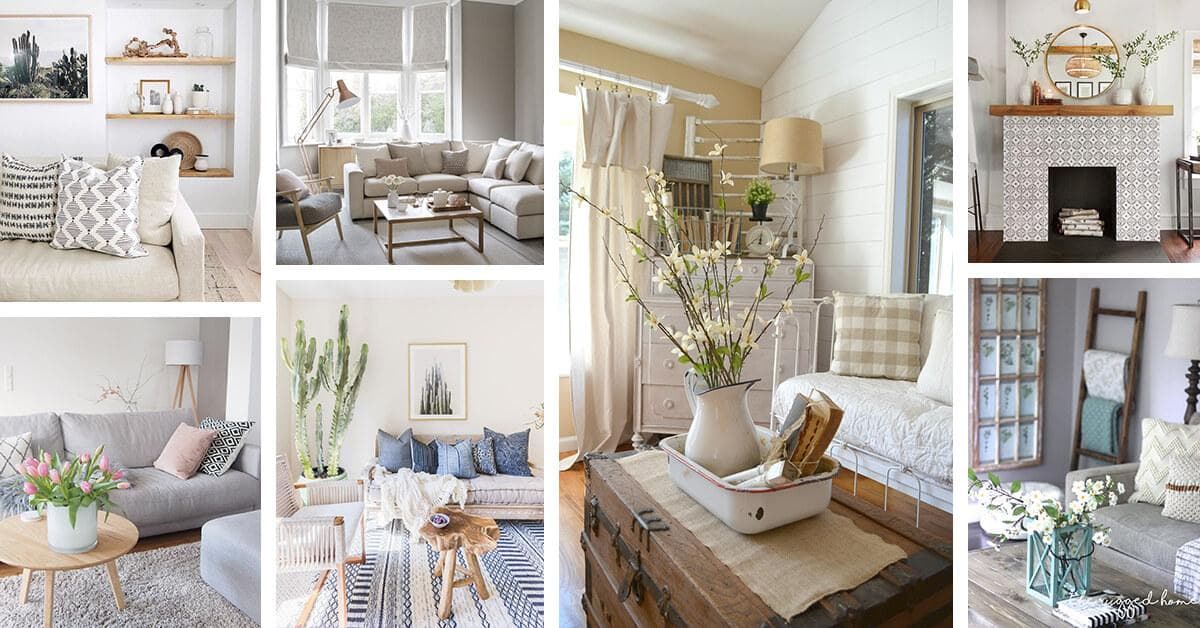
Choosing the right colors for your home can completely transform its look and feel. A neutral color palette is one of the most popular choices in modern interior design because it creates a calm, elegant, and timeless atmosphere. Whether you are designing a compact apartment or a spacious home, neutral tones help make spaces feel brighter, bigger, and more comfortable.
Understanding a Neutral Color Palette
A neutral color palette includes shades like white, beige, grey, cream, and soft earthy tones. These colors are subtle and versatile, allowing them to blend effortlessly with different materials and furniture styles. Neutral tones are widely used in minimalist and Scandinavian interiors because they create a clean and balanced environment.
Why Neutral Colors Work So Well
Neutral tones are highly effective in making interiors look spacious and well-lit. They reflect natural light, which is especially useful for small homes. Another advantage is flexibility, as neutral shades can be easily paired with different textures, furniture, and accent colors. They also create a timeless look that does not go out of trend.
Where Neutral Palettes Can Fall Short
While neutral interiors are elegant, they can sometimes appear plain if not styled properly. A lack of contrast can make the space feel flat, and using the same shade everywhere may reduce visual interest. This is why adding layers and variation becomes important.
Neutral vs Bold Color Choices
Neutral color palettes create a calm and relaxing atmosphere, while bold colors add energy and vibrancy. Neutral tones are ideal for living rooms, bedrooms, and small apartments, whereas bold colors work better as accents. The best interiors often use a mix of both to maintain balance.
Simple Ways to Use Neutral Colors Perfectly
The key to using neutral tones effectively is layering different shades. Combining warm and cool tones, such as beige with soft grey, adds depth to the space. Introducing textures like wood, fabric, and stone prevents the design from feeling dull. Lighting also plays an important role, as it enhances the warmth and richness of neutral colors.
How It Fits in Indian Homes
Neutral color palettes work exceptionally well in Indian homes, especially in urban apartments. They help in creating a peaceful environment and make compact spaces feel larger. Neutral tones can be beautifully combined with wooden furniture, marble flooring, and traditional decor elements to achieve a balanced modern look.
Budget-Friendly Styling with Neutral Tones
One of the biggest advantages of neutral interiors is their cost-effectiveness. Since the base colors remain simple, you can easily update the look by changing small decor elements like cushions, curtains, or rugs. This allows flexibility without major expenses.
Latest Neutral Color Trends
Modern neutral interiors are evolving with a focus on sustainability and natural materials. Warm earthy tones, textured finishes, and eco-friendly designs are becoming popular. Smart lighting and minimal furniture are also being combined with neutral palettes to create functional and stylish spaces.
Final Thoughts
A neutral color palette is a perfect choice for creating a modern and elegant home. When used correctly, it enhances space, improves lighting, and creates a timeless appeal. By adding textures, layers, and subtle contrasts, you can transform a simple neutral space into a visually rich and comfortable environment.