Mood Lighting in Bedrooms for a Relaxing and Stylish Space
Author
Rahul
Published
22 April 2026
Read Time
8 min read
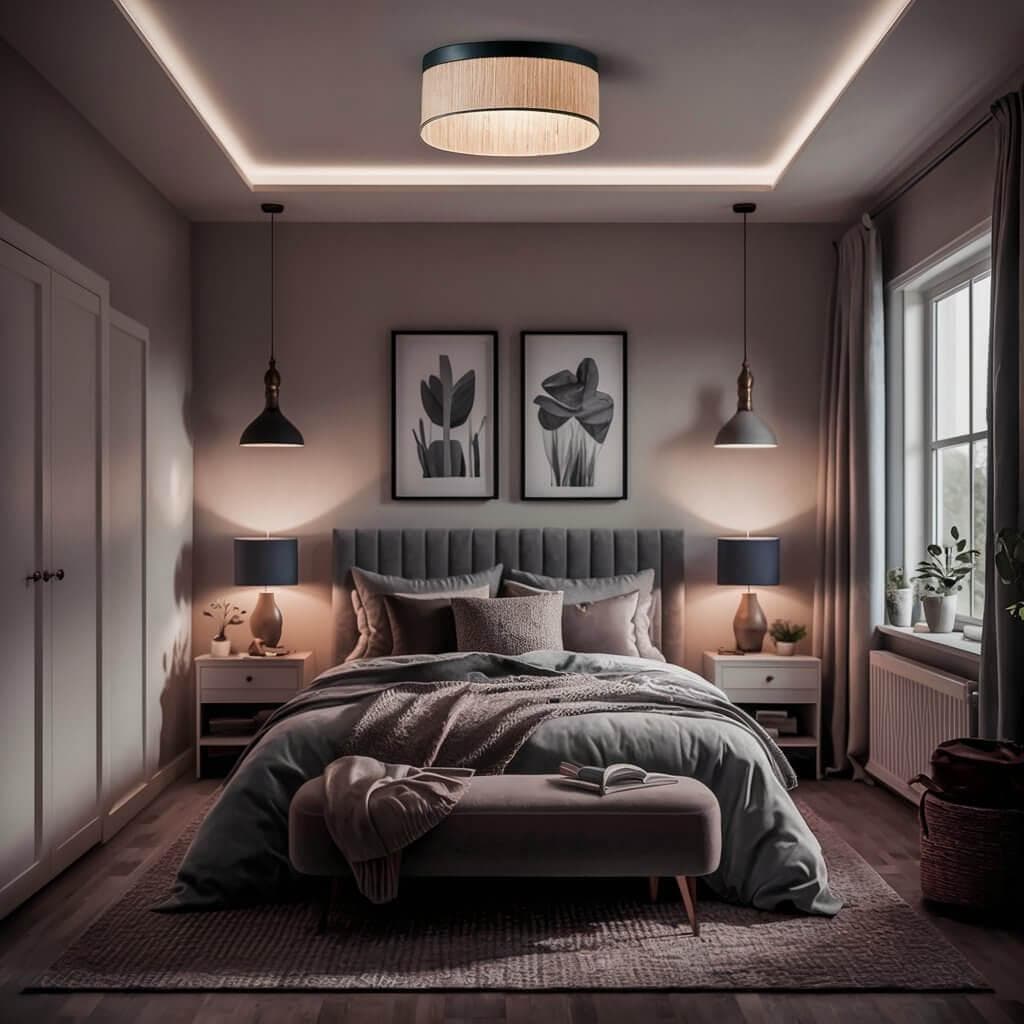
Lighting is one of the most powerful elements in bedroom design. It affects how the space looks and how you feel in it. Mood lighting focuses on creating a calm, relaxing, and comfortable environment rather than just providing brightness.
It is not about brightness, it is about feeling
Many bedrooms use only a single ceiling light, which creates a harsh and flat look. Mood lighting works differently. It focuses on softness and layering to create depth and warmth.
The goal is to make the bedroom feel peaceful and inviting at any time of the day.
The role of ambient lighting
Ambient lighting forms the base layer of your lighting setup
• Provides overall illumination
• Keeps the room evenly lit
• Should not be too harsh or too dim
This layer sets the foundation for all other lighting elements.
Why layering makes a big difference
Using only one type of light is not enough
• Combine ceiling lights, wall lights, and lamps
• Use different intensities for different needs
• Create zones for sleeping, reading, and relaxing
Layered lighting adds flexibility and improves comfort.
Warm light vs cool light
Color temperature plays a major role
• Warm light creates a cozy and relaxing atmosphere
• Cool light is better for task based activities
• Bedrooms should mainly use warm tones
Choosing the right color helps improve sleep quality and comfort.
Where to place lights for best effect
Placement is just as important as the type of light
• Bedside lamps for reading and convenience
• Wall lights for balanced illumination
• Hidden lights behind panels for a soft glow
• Ceiling lights for general brightness
Proper placement ensures both function and aesthetics.
Subtle lighting ideas that elevate the room
Small lighting additions can transform the space
• LED strips behind the bed panel
• Lights under furniture for a floating effect
• Soft corner lighting for depth
• Dim lighting options for flexibility
These ideas enhance the overall mood without overwhelming the design.
Keeping the design clean and balanced
Too many lights can create confusion
• Avoid mixing too many styles
• Keep the design consistent
• Use soft intensity instead of very bright lights
• Focus on comfort rather than decoration
A balanced setup feels more natural and relaxing.
Common mistakes that ruin the effect
Some choices can reduce the impact of mood lighting
• Using only bright white lights
• Placing lights directly in eye level
• Ignoring layering
• Overusing decorative lights
Simple corrections can improve the result significantly.
How lighting supports better sleep
Lighting directly affects your body and mind
• Soft light helps you relax before sleeping
• Dim lighting signals the body to wind down
• Avoid strong lights at night
A good lighting setup improves sleep quality.