Modular Kitchen Setup: Step-by-Step Guide for a Perfect Kitchen
Author
Rahul
Published
21 April 2026
Read Time
8 min read
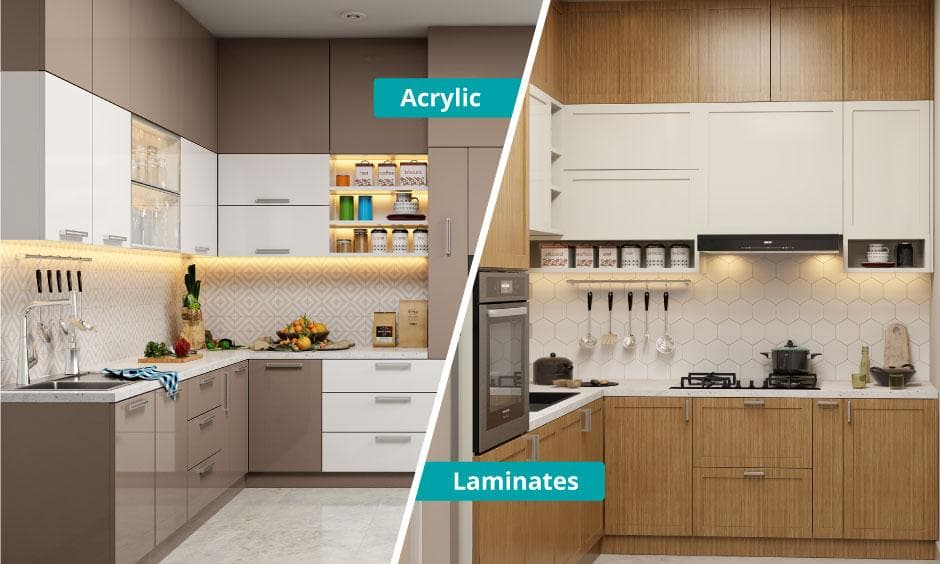
Setting up a modular kitchen is not just about choosing cabinets. It is about planning a highly functional space where cooking becomes easy, efficient, and enjoyable. A well-designed modular kitchen combines smart layout planning, quality materials, and modern features to create a space that fits your lifestyle perfectly.
If you follow a structured approach, you can avoid costly mistakes and build a kitchen that works beautifully for years.
Step 1 Understand Your Space First
Before starting with designs, carefully analyze your kitchen area. Measure the available space and note the position of windows, doors, and plumbing points.
This step decides everything from layout to storage capacity.
Step 2 Choose the Right Kitchen Layout
Your layout is the foundation of your kitchen.
• L shaped layout is best for small to medium spaces
• U shaped layout is ideal for large kitchens with more storage
• Parallel kitchen works well for compact homes
• Island kitchen suits spacious open layouts
Choose based on space, not trends.
Step 3 Plan the Work Triangle
The sink, stove, and refrigerator should form a triangle for smooth movement. This reduces unnecessary steps and makes cooking more efficient.
A well-planned work triangle leads to less effort and better productivity.
Step 4 Select Materials Carefully
Material choice directly impacts durability.
• Plywood is strong and long lasting and is considered the best option
• MDF and particle board are budget friendly
• Laminate is affordable, acrylic gives a premium look, and glass offers a modern feel
Do not compromise on core materials.
Step 5 Decide Storage and Accessories
Smart storage plays a crucial role in a modular kitchen.
• Pull out drawers
• Corner units such as magic corners
• Pantry units
• Cutlery organizers
A modular kitchen is only as effective as its storage planning.
Step 6 Choose Countertop and Backsplash
Countertops should be durable and easy to maintain.
• Granite is strong and affordable
• Quartz is premium and low maintenance
• Marble is stylish but requires more care
Backsplashes provide both protection and visual appeal. Tiles or glass panels are commonly used options.
Step 7 Plan Lighting and Ventilation
Good lighting improves both functionality and aesthetics.
• Task lighting under cabinets
• Ambient lighting on the ceiling
• Accent lighting for visual appeal
Install a chimney or exhaust system to ensure proper ventilation.
Step 8 Appliances and Electrical Planning
Decide appliance placement at an early stage.
• Built in oven
• Microwave
• Refrigerator
• Dishwasher
Plan plug points carefully to avoid cluttered wiring later.
Step 9 Budget Planning
The cost of a modular kitchen in India varies depending on materials and features.
• Basic range is 1.5 to 3 lakhs
• Mid-range is 3 to 6 lakhs
• Premium range is above 6 lakhs
Proper budgeting helps in making better design decisions.
Step 10 Installation and Final Setup
Once everything is finalized
• Install cabinets
• Fix appliances
• Check plumbing and electrical connections
• Complete final finishing
Always inspect the setup before final handover.
Common Mistakes to Avoid
• Ignoring ventilation
• Choosing looks over functionality
• Poor storage planning
• Not planning electrical points
• Overcrowding small kitchens
What is Trending in 2026
• Handleless cabinets
• Smart storage solutions
• Minimal design approach
• Integrated appliances
• Neutral color palettes