Luxury Retail Store Design for Premium Brands
Author
Priya Sharma
Published
9 May 2026
Read Time
10 to 12 min read
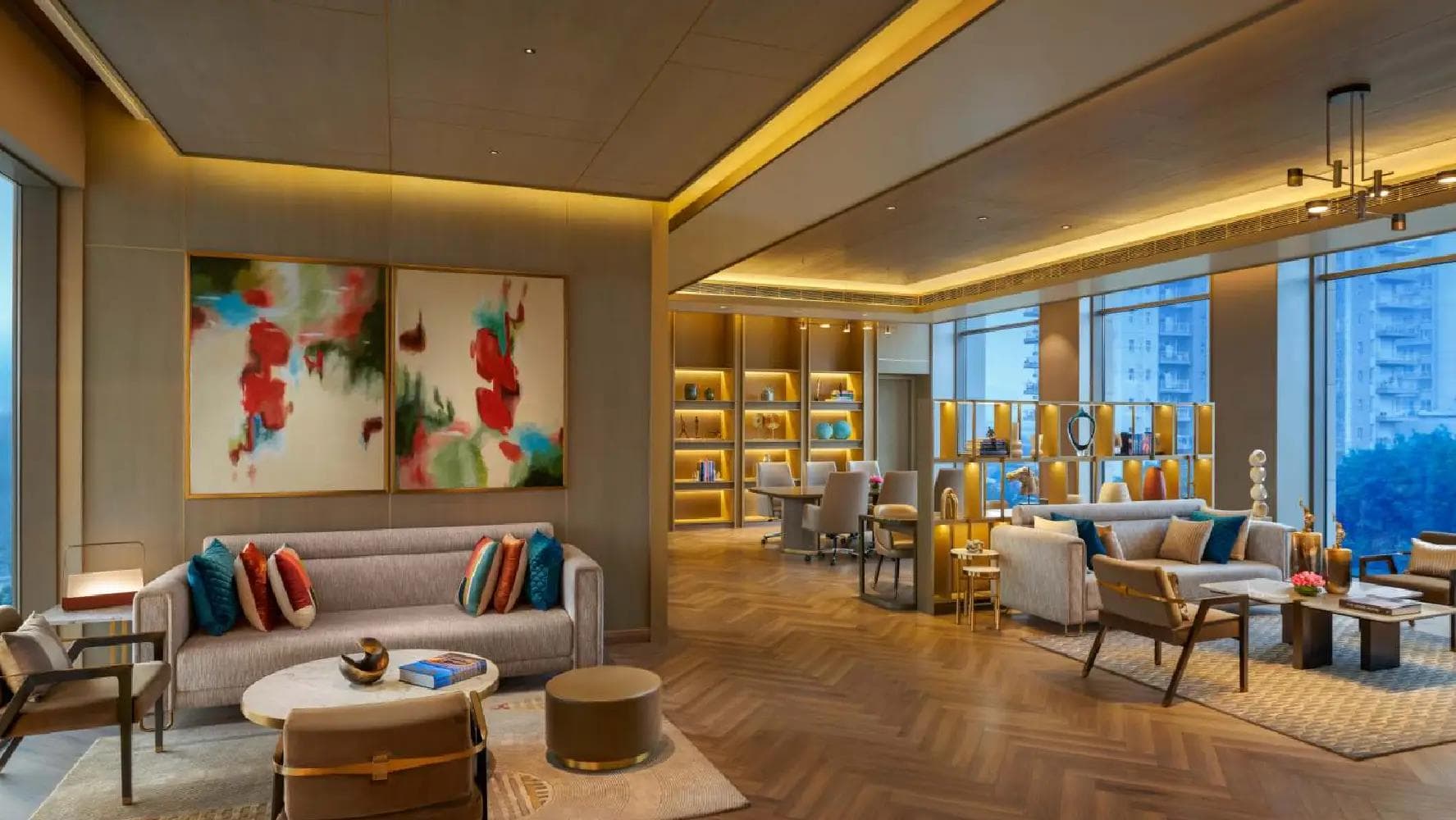
Luxury retail store design is evolving rapidly in 2026. Premium brands are no longer focusing only on product display—they are creating immersive environments that reflect exclusivity, elegance, and brand identity.
Modern luxury retail spaces are designed to offer memorable experiences that attract customers, increase engagement, and strengthen brand perception.
What defines luxury retail store design
Luxury retail design focuses on creating a premium atmosphere through
• Sophisticated interiors
• High-quality materials
• Personalized customer experiences
• Elegant visual presentation
Every design element reflects exclusivity and attention to detail.
Importance of first impressions in luxury retail
The entrance experience strongly influences customer perception.
Luxury stores use
• Grand entrances
• Statement lighting
• Premium façade materials
• Elegant display windows
to immediately communicate brand value.
Premium materials create exclusivity
Material selection is one of the most important aspects of luxury retail interiors.
Popular materials include
• Italian marble
• Brass accents
• Textured wood finishes
• Glass and metallic details
These materials elevate the visual and tactile experience.
Lighting enhances luxury ambiance
Luxury retail lighting is carefully layered to create mood and highlight products.
Retail designers use
• Accent lighting
• Warm ambient lighting
• Spotlights for displays
• Backlit shelving
to create depth and sophistication.
Personalized shopping experiences matter
Modern luxury consumers expect personalized attention.
Luxury stores now include
• Private consultation zones
• VIP lounges
• Personalized display areas
• Smart fitting rooms
to improve exclusivity and customer comfort.
Visual merchandising drives engagement
Luxury visual merchandising focuses on storytelling and emotional connection.
Retail spaces use
• Artistic product displays
• Minimal product arrangement
• Thematic installations
• Curated collections
to create immersive shopping experiences.
Technology integration in premium retail
Luxury retail brands are integrating technology without compromising elegance.
Common integrations include
• Interactive displays
• Smart mirrors
• Digital catalogs
• Contactless payment systems
This improves convenience while maintaining a premium experience.
Spatial planning improves customer flow
Luxury retail layouts prioritize openness and movement.
Stores are designed with
• Wide circulation paths
• Feature zones
• Lounge-style layouts
• Clear product hierarchy
to create a relaxed shopping journey.
Sustainability in luxury retail design
Sustainability is becoming essential in premium retail interiors.
Luxury brands are adopting
• Eco-friendly materials
• Energy-efficient lighting
• Sustainable finishes
• Recyclable décor elements
to align with modern consumer expectations.
Future of luxury retail spaces
Luxury retail design in 2026 is focused on combining elegance, technology, and immersive experiences.
Premium brands that invest in sophisticated interiors and customer-centric environments create stronger emotional connections and long-term brand loyalty.
Luxury retail is no longer just about products—it is about creating unforgettable experiences.