Living Dining Zoning Ideas for Modern Open Spaces
Author
Rahul
Published
22 April 2026
Read Time
8 min read
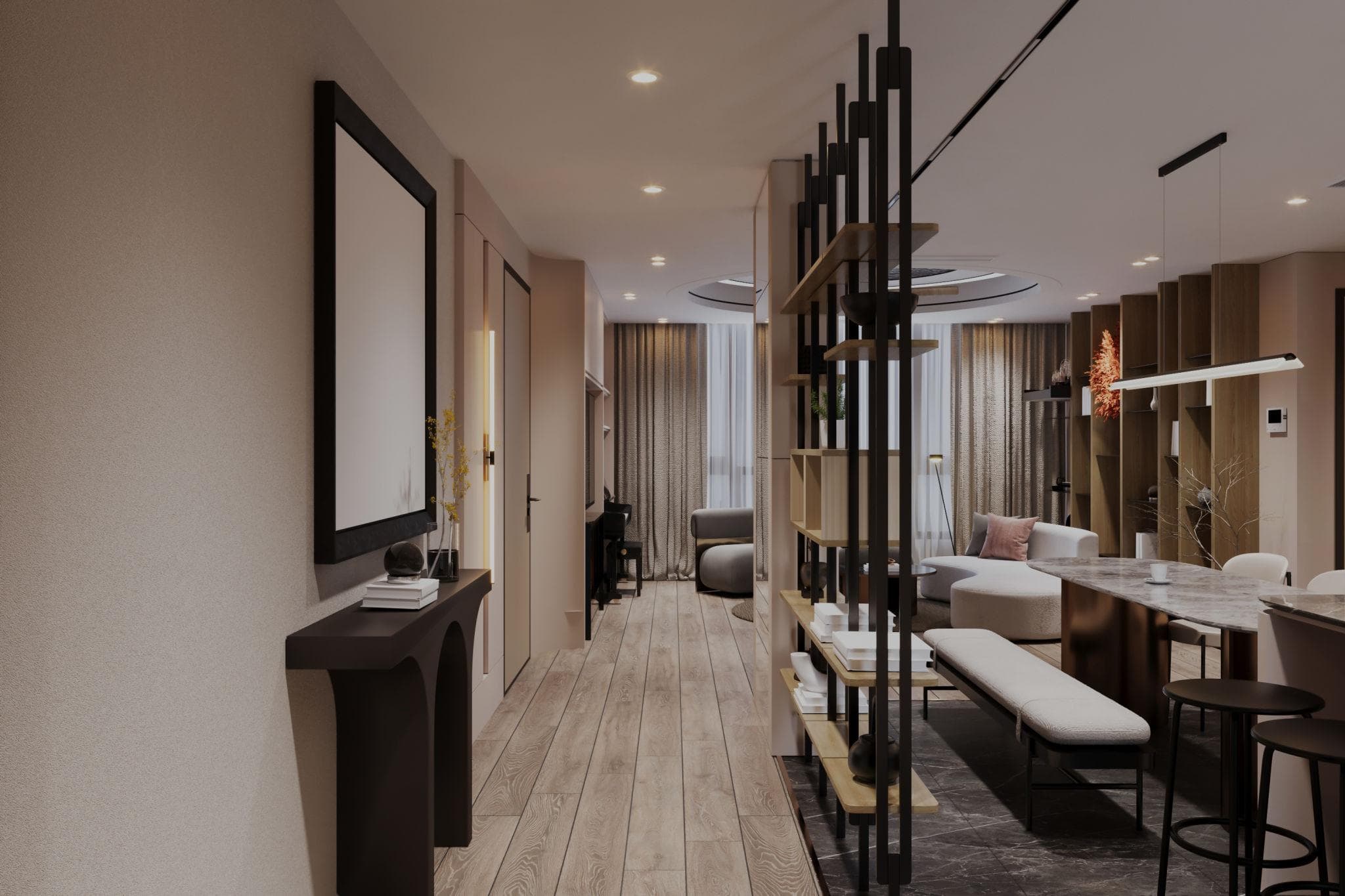
Living and dining areas are often part of a single open space in modern homes. While this creates a spacious feel, it can also make the layout look unorganized if not planned properly. Zoning helps define each area clearly without using walls, maintaining both openness and structure.
Why zoning matters in open layouts
Without proper zoning, the space can feel confusing and cluttered.
A well defined layout improves movement, enhances design, and makes each area more functional. It also creates a visual balance between relaxation and dining zones.
Furniture placement as a natural divider
One of the easiest ways to create separation is through furniture
• Place the sofa facing away from the dining area
• Use a console table behind the sofa
• Align dining table separately with proper spacing
• Maintain clear pathways between both zones
Furniture based zoning feels natural and effective.
Rugs to define individual spaces
Rugs can visually separate areas without physical barriers
• Use one rug for the living area
• Keep the dining area without a rug or use a different style
• Choose contrasting textures or colors
• Ensure proper size for each zone
This creates a clear distinction while maintaining continuity.
Lighting that sets different moods
Lighting can define zones in a subtle way
• Use pendant lights above the dining table
• Use soft ambient lighting in the living area
• Keep brightness levels different
• Avoid using identical lighting for both zones
This helps each space feel unique.
Using partitions without closing the space
If you want more definition without blocking openness
• Use glass partitions
• Try wooden slats or panels
• Use open shelves as dividers
• Keep partitions light and airy
These options maintain visibility while creating separation.
Floor and ceiling variations
Design changes can also define zones
• Use different flooring patterns
• Add a subtle level change if possible
• Use false ceiling designs to highlight areas
• Keep transitions smooth and balanced
These elements add depth and structure.
Color coordination for zoning
Colors can guide visual separation
• Use slightly different shades for each area
• Maintain an overall theme
• Avoid strong contrast unless intentional
• Keep the palette balanced
Color zoning keeps the design cohesive.
Small space zoning tricks
Even compact homes can have clear zones
• Use minimal furniture
• Avoid bulky partitions
• Keep layouts simple
• Use light colors to maintain openness
Smart planning makes small spaces functional.
Mistakes that affect zoning
Some common issues to avoid
• Overcrowding the space
• Using heavy partitions
• Poor furniture alignment
• Lack of visual consistency
Simple corrections can improve the layout significantly.
Making the space feel connected
Even with zoning, both areas should feel part of one home
• Maintain consistent design style
• Use similar materials and finishes
• Keep visual flow smooth
• Balance openness and separation
This creates a well designed and harmonious space.