Lighting Psychology in Retail Store Design: How Lighting Influences Customer Buying Behavior
Author
Priya Sharma
Published
9 May 2026
Read Time
10 to 12 min read
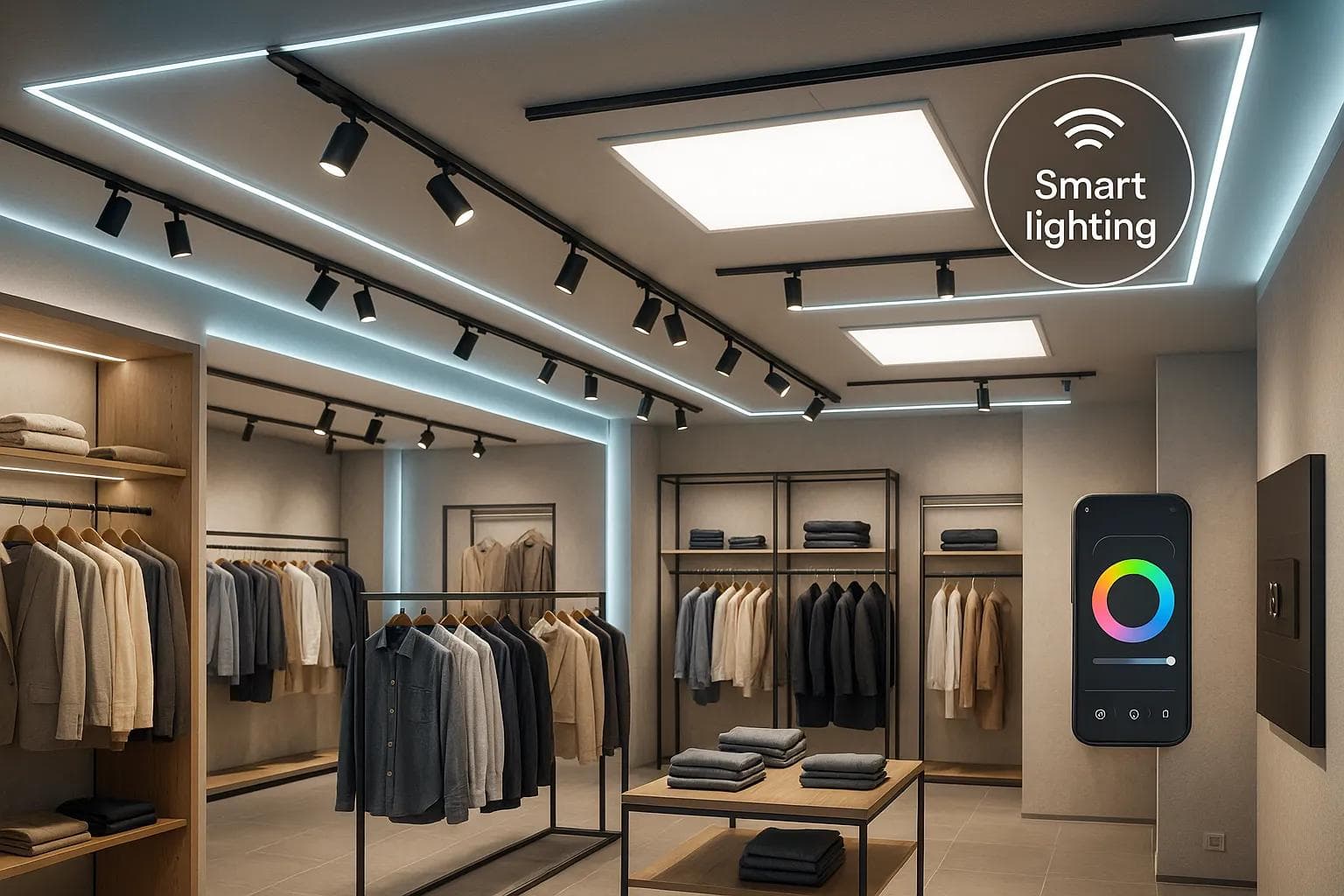
Lighting is one of the most powerful tools in retail store design. In 2026, retailers are using lighting psychology not just for visibility, but to influence customer emotions, shopping behavior, and buying decisions.
Strategic lighting creates atmosphere, highlights products, and shapes how customers experience retail spaces.
What is lighting psychology in retail design
Lighting psychology refers to the way lighting affects human emotions, mood, and behavior inside retail environments.
Retail lighting is designed to
• Guide customer attention
• Influence mood
• Improve product perception
• Create emotional engagement
which directly impacts sales performance.
Why lighting matters in modern retail stores
Poor lighting can make stores feel uncomfortable and unattractive.
Well-designed retail lighting helps
• Increase customer comfort
• Improve browsing time
• Highlight merchandise
• Enhance store aesthetics
creating a more engaging shopping experience.
Warm lighting creates comfort and luxury
Warm lighting tones are commonly used in premium retail stores.
This type of lighting helps create
• Relaxed shopping environments
• Luxury atmosphere
• Emotional comfort
• Elegant ambiance
which encourages customers to spend more time in-store.
Cool lighting improves clarity and focus
Cool white lighting is often used in technology and lifestyle retail spaces.
It enhances
• Product visibility
• Clean aesthetics
• Modern atmosphere
• Sharp visual presentation
making stores feel brighter and more energetic.
Accent lighting guides customer attention
Accent lighting is used to highlight important products and displays.
Retailers use spotlights to emphasize
• Featured collections
• New arrivals
• Premium products
• Promotional displays
which naturally directs customer focus.
Dynamic lighting enhances customer experience
Modern retail stores are now using smart and dynamic lighting systems.
These systems can
• Change brightness levels
• Adjust color temperatures
• Create seasonal moods
• Support experiential displays
to improve store engagement.
Lighting affects customer movement
Strategic lighting placement influences how customers move through stores.
Bright focal points help retailers
• Draw attention to key zones
• Guide circulation paths
• Improve navigation
• Encourage product exploration
inside the retail environment.
Layered lighting improves retail ambiance
Modern retail interiors use layered lighting for depth and balance.
This includes
• Ambient lighting
• Accent lighting
• Decorative lighting
• Task lighting
to create visually appealing and functional spaces.
Technology integration in retail lighting
Smart retail lighting systems are becoming more advanced.
Retailers now integrate
• Motion-sensor lighting
• Automated brightness control
• Smart LEDs
• Interactive lighting systems
to improve energy efficiency and customer experience.
Final insight
Lighting psychology is transforming modern retail design by combining aesthetics, customer psychology, and technology.
Retailers who invest in strategic lighting create more immersive shopping experiences, improve customer engagement, and increase product appeal—ultimately driving higher sales and stronger brand perception.