Lighting Planning for Living Spaces That Improves Comfort and Style
Author
Priya Sharma
Published
25 April 2026
Read Time
8 min read
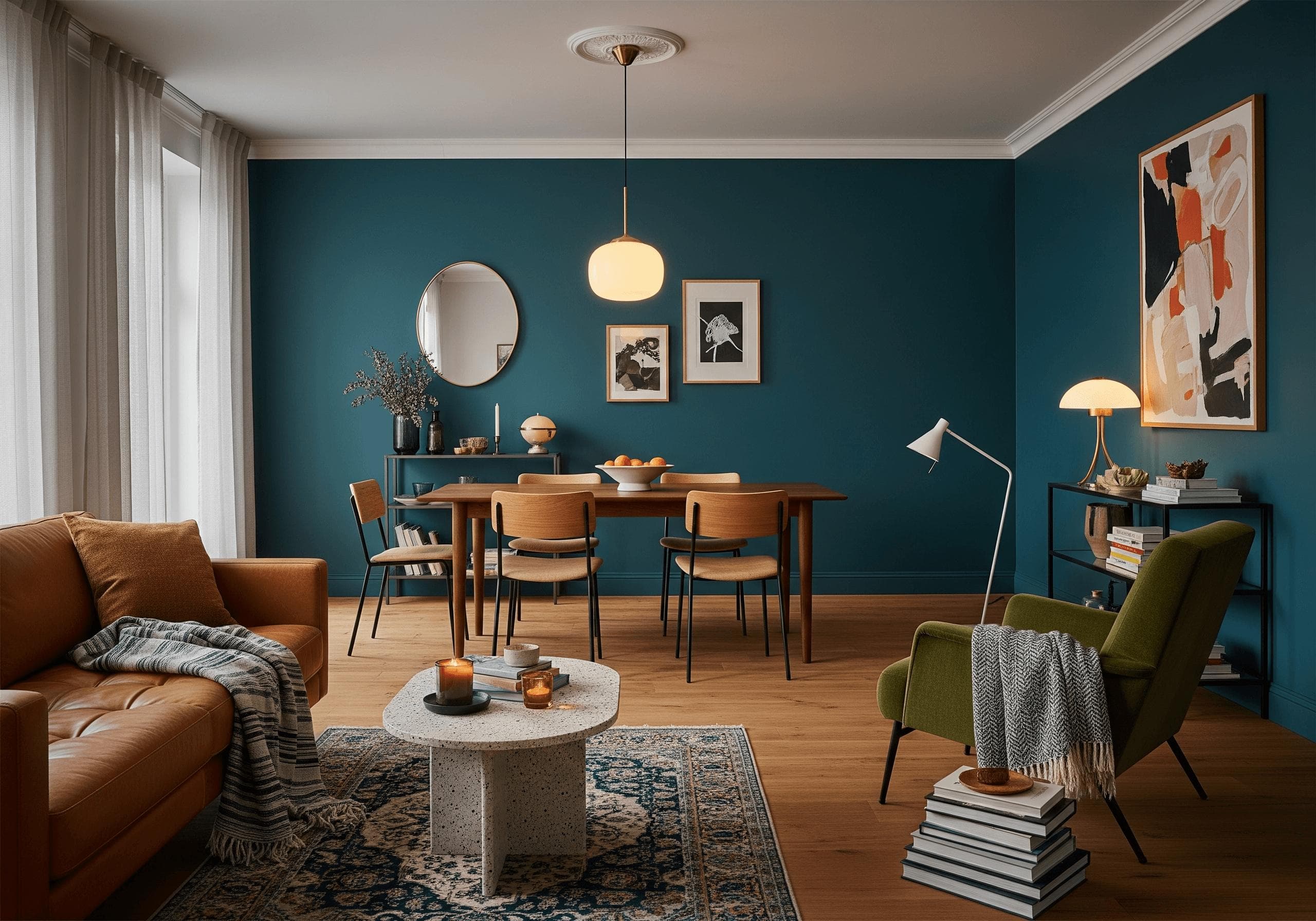
Lighting planning is one of the most important aspects of interior design. It not only affects how your living space looks but also how it feels and functions. A well planned lighting setup can make a room look bigger, more comfortable, and more inviting.
More than just brightness
Lighting is not only about making a space visible. It shapes mood, highlights design elements, and improves daily usability.
A single light source is rarely enough for a well designed living space.
Understanding different layers of lighting
A balanced lighting plan includes multiple layers
• Ambient lighting for overall brightness
• Task lighting for specific activities
• Accent lighting for highlighting features
Combining these layers creates depth and flexibility.
Ambient lighting as the base
This is the primary source of light in the room
• Ceiling lights or recessed lights work well
• Ensure even distribution across the space
• Avoid dark corners
• Keep brightness comfortable
It forms the foundation of your lighting plan.
Task lighting for everyday use
Task lighting supports specific activities
• Reading lamps near seating
• Focused lighting for work areas
• Proper light near mirrors or corners
• Adjustable lights for flexibility
It improves functionality without affecting the overall design.
Accent lighting for visual appeal
Accent lighting adds character to the room
• Highlight artwork or accent walls
• Use LED strips for subtle effects
• Add wall lights for depth
• Create a soft layered glow
It enhances the aesthetic of the space.
Choosing the right light temperature
Light color plays a big role in comfort
• Warm light for a cozy and relaxing feel
• Neutral light for balanced environments
• Avoid very harsh cool lighting in living areas
Warm tones are generally preferred for living rooms.
Placement that makes a difference
Even good lighting can fail if placed incorrectly
• Distribute lights evenly
• Avoid direct glare on seating or TV
• Highlight key areas like walls or furniture
• Keep lighting aligned with layout
Proper placement improves both function and appearance.
Making small spaces feel bigger
Lighting can visually expand a room
• Use wall lighting to create depth
• Add indirect lighting
• Avoid heavy fixtures
• Use soft and diffused light
These techniques make compact spaces feel open.
Common mistakes to avoid
• Using only one central light
• Ignoring task lighting
• Poor placement causing shadows
• Mixing too many light tones
A thoughtful plan prevents these issues.
Matching lighting with interior design
Lighting should complement your overall style
• Choose fixtures that match furniture
• Maintain consistency in finishes
• Avoid overly decorative designs in minimal spaces
• Keep the design cohesive
This ensures a balanced and polished look.
Why proper lighting planning matters
A well-lit space improves comfort, enhances mood, and highlights your interior design. It turns an ordinary room into a functional and visually appealing environment.