Kids Bedroom Layout with Study and Storage Ideas
Author
Rahul
Published
22 April 2026
Read Time
8 min read
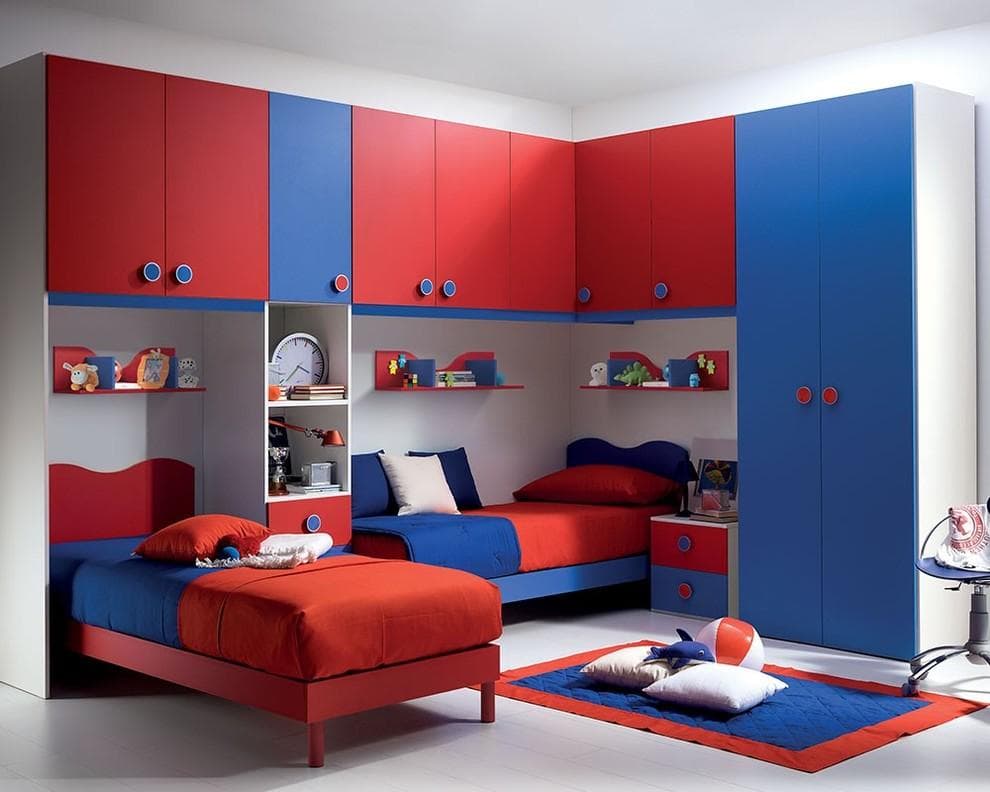
Designing a kids bedroom is about more than just colors and decor. It should be a space where children can study, relax, and play comfortably. A well planned layout with proper study and storage areas helps maintain organization and supports daily activities.
Why layout matters more than decoration
A good layout ensures that every part of the room has a purpose. Without proper planning, the space can feel cluttered and difficult to use.
When study and storage areas are clearly defined, children can focus better and keep their room organized.
Creating a study space that actually works
A study area should be comfortable and distraction free
• Place the study table near natural light if possible
• Use a comfortable chair with proper support
• Keep books and essentials within easy reach
• Avoid placing the study area too close to the bed
A well designed study setup improves focus and productivity.
Smart storage that keeps things organized
Children need storage for books, toys, clothes, and more
• Use wardrobes with multiple sections
• Add drawers for smaller items
• Install shelves for books and display
• Use storage boxes to separate categories
Good storage helps maintain a clean and structured room.
Making the most of limited space
Small rooms require smart planning
• Use vertical storage to save floor space
• Choose multi purpose furniture like storage beds
• Keep furniture minimal and functional
• Use wall mounted units where possible
Efficient use of space makes the room feel bigger and more comfortable.
Combining study and storage in one design
A practical approach is to integrate study and storage together
• Study tables with built in drawers
• Shelves above the desk for books
• Side cabinets for extra storage
• Compact units that serve multiple purposes
This reduces clutter and improves accessibility.
Furniture choices that grow with your child
Kids grow quickly, so furniture should be adaptable
• Choose adjustable study tables if possible
• Use neutral designs that work for different ages
• Avoid overly themed furniture that becomes outdated
• Focus on durability and comfort
Flexible furniture saves cost and effort in the long run.
Keeping the room engaging but not overwhelming
A kids room should feel lively but not distracting
• Use balanced colors instead of too many bright tones
• Add a small play area if space allows
• Include a board or wall for creative activities
• Keep decor simple and organized
This creates a space that supports both learning and play.
Common layout mistakes parents make
Avoid these common issues
• Placing too much furniture in a small room
• Ignoring proper lighting for study area
• Not planning enough storage
• Mixing too many themes and colors
Simple corrections can improve the overall design significantly.