Hybrid Office Layouts: Designing for Flexibility and Productivity
Author
Priya Sharma
Published
26 April 2026
Read Time
8 min read
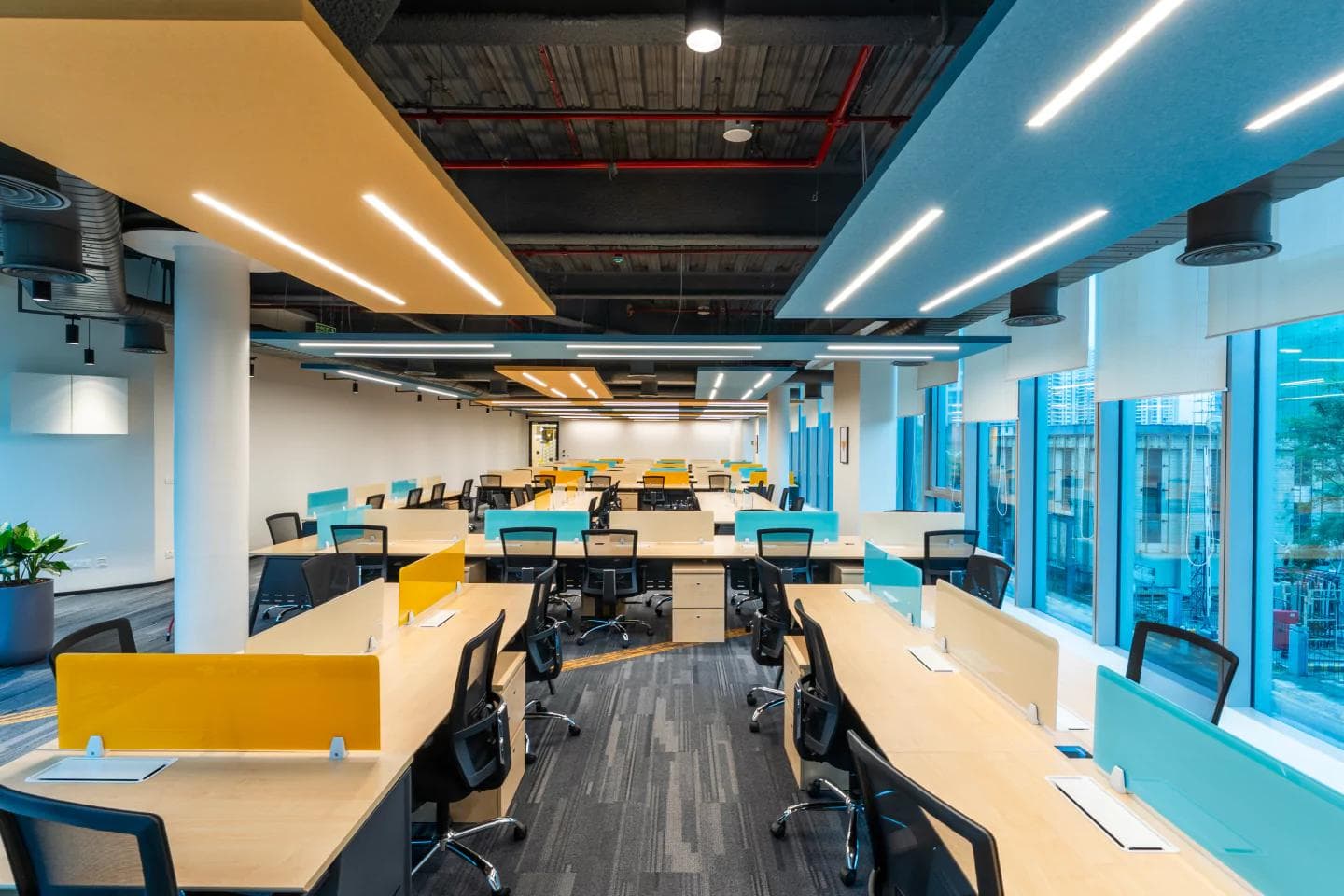
The modern workplace is evolving rapidly, and hybrid office layouts are at the center of this transformation. As companies across India adopt flexible work models, office design is shifting from fixed seating arrangements to adaptable environments that support both in office and remote employees.
A well-planned hybrid office is not just about saving space. It is about creating a balance between collaboration, focus, and flexibility.
Why hybrid layouts are becoming essential
The traditional office model no longer fits today’s work culture. Employees now split their time between home and office, which means spaces need to adapt accordingly.
Hybrid layouts allow companies to use office space more efficiently while improving employee satisfaction and productivity.
Understanding how hybrid space's function
A hybrid office is designed to support different types of work rather than assigning fixed desks to employees
• Shared workstations instead of permanent seating
• Collaboration zones for team discussions
• Quiet areas for focused work
• Flexible meeting spaces
This approach ensures that every part of the office serves a purpose.
Zoning makes the biggest difference
One of the most important aspects of hybrid office design is zoning
• Collaborative zones for teamwork
• Focus zones for deep work
• Social spaces for informal interaction
• Meeting rooms for structured discussions
Clear zoning improves workflow and reduces distractions.
Flexible seating and hot desking
Fixed seating is gradually being replaced by flexible arrangements
Hot desking allows employees to choose seats based on their needs for the day. This reduces unused space and encourages interaction across teams.
It also helps companies optimize office capacity without expanding the space.
Designing for productivity, not just aesthetics
A visually appealing office is important, but functionality matters more
• Comfortable seating improves work efficiency
• Proper lighting reduces fatigue
• Noise control enhances focus
• Easy movement improves workflow
Every design decision should support productivity.
Furniture that adapts to changing needs
Flexible furniture plays a key role in hybrid offices
• Modular desks that can be rearranged
• Foldable tables for multipurpose use
• Mobile partitions for quick zoning
• Ergonomic chairs for comfort
Adaptable furniture ensures long term usability.
Technology integration in hybrid layouts
Technology is essential for seamless hybrid work
• Smart booking systems for desks and meeting rooms
• Video conferencing setups
• Wireless connectivity across spaces
• Integrated power and charging solutions
This ensures smooth collaboration between in office and remote teams.
Creating spaces for collaboration
Hybrid offices focus heavily on collaboration
Open areas with comfortable seating, whiteboards, and flexible layouts encourage spontaneous discussions and teamwork.
These spaces help maintain team connection even in hybrid setups.
Quiet zones for focused work
While collaboration is important, employees also need spaces where they can concentrate
Sound controlled zones with minimal distractions improve efficiency and allow deep work when required.
Common mistakes to avoid
• Designing only for aesthetics
• Ignoring employee work patterns
• Lack of proper zoning
• Poor technology integration
Avoiding these mistakes ensures a balanced and effective workspace.
Making hybrid offices work in Indian context
In India, hybrid office design must consider space limitations and cost efficiency
• Optimize smaller office spaces
• Use modular furniture
• Focus on multipurpose areas
• Plan layouts based on team size
Practical planning is key to success.
Long term impact of hybrid layouts
Hybrid office design is not a temporary trend. It is a long-term shift in how workplaces function
Companies that invest in flexible layouts today will be better prepared for future work models and evolving employee expectations.