Hotel Lobby Design Trends That Attract Guests
Author
Rahul
Published
26 April 2026
Read Time
8 min read
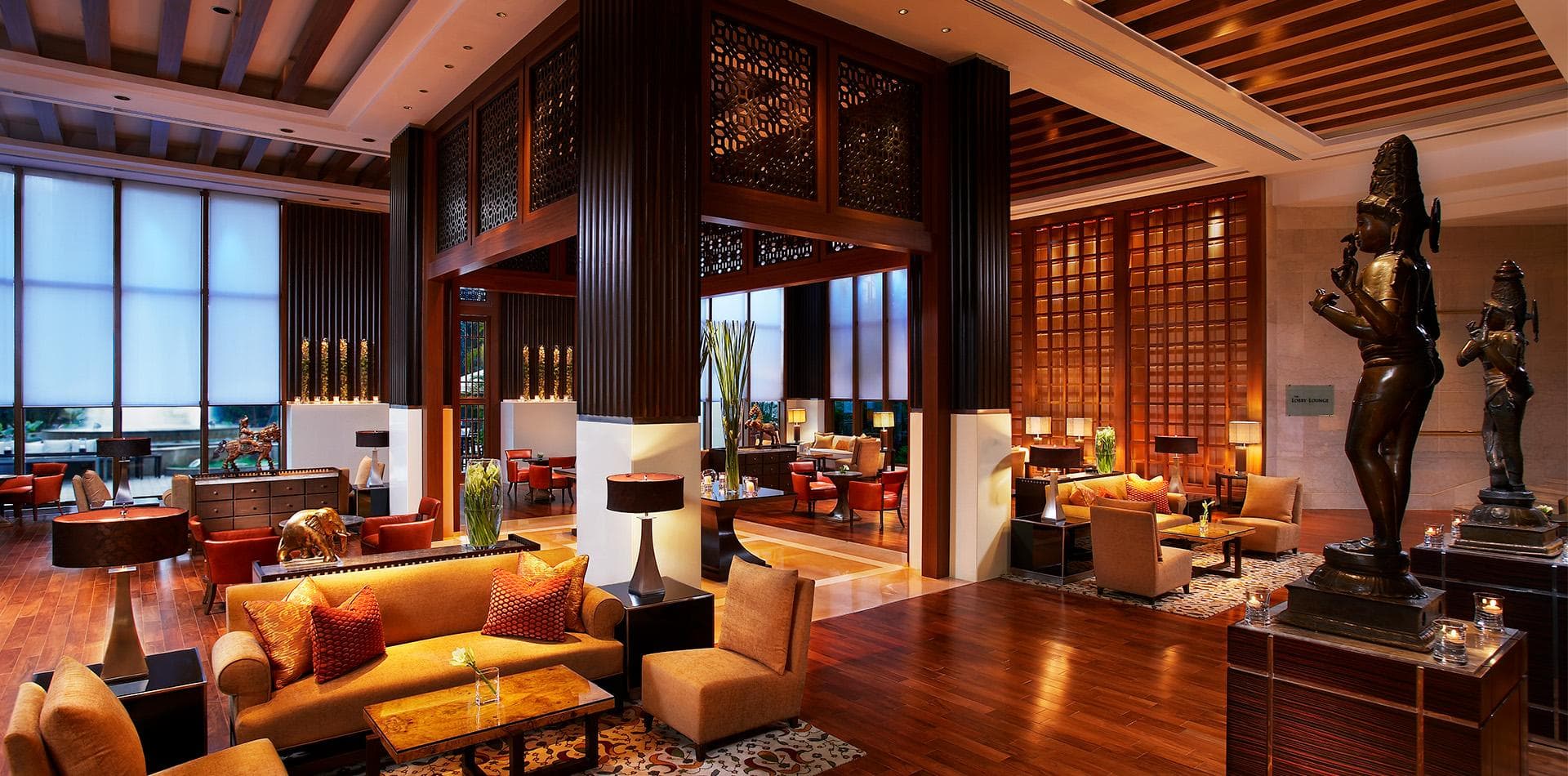
The hotel lobby is no longer just a waiting area. In 2026, it has become a powerful space that shapes first impressions, influences guest experience, and even drives revenue.
Modern travelers expect more than just aesthetics. They want comfort, personalization, and memorable experiences the moment they step inside.
The lobby as the first brand experience
The lobby sets the tone for the entire stay
Guests form an impression within seconds, making design a critical factor
A well-designed lobby communicates
• Brand identity
• Quality and comfort
• Attention to detail
This directly impacts guest satisfaction and reviews.
Shift toward experience driven design
In 2026, hotel lobbies are designed as immersive environments
Guests are not just passing through they are spending time, working, and socializing
Hotels are focusing on
• Creating inviting atmospheres
• Encouraging longer stays in lobby areas
• Designing spaces that feel engaging and interactive
Biophilic and wellness focused spaces
Nature inspired design continues to dominate
Hotels are integrating
• Indoor plants and green walls
• Natural materials like wood and stone
• Water features and natural lighting
These elements create a calming and refreshing environment that enhances guest well being
Multi-functional lobby spaces
Modern lobbies are designed as flexible environments
They serve multiple purposes
• Check in and reception
• Co working spaces
• Lounge and social areas
• Café style seating
This transformation turns the lobby into a “third space” beyond rooms and restaurants
Technology integration for seamless experience
Technology is becoming invisible but powerful
• Digital check in systems
• Mobile key access
• Smart lighting and climate control
• Integrated charging stations
These features enhance convenience without affecting aesthetics
Local culture and storytelling design
Hotels in India are focusing on local identity
Instead of generic interiors, lobbies now reflect regional culture
• Local artwork and crafts
• Traditional materials with modern styling
• Cultural storytelling through design
This creates a unique and memorable guest experience
Comfortable residential style interiors
Guests prefer spaces that feel like home but with luxury
Design elements include
• Plush sofas and lounge seating
• Warm lighting
• Layered textures
This approach makes large spaces feel more welcoming and less formal
Flexible furniture and layout
Furniture is now designed for adaptability
• Modular seating arrangements
• Movable furniture
• Mixed seating options
This allows the space to change based on time and usage
Lighting as a design feature
Lighting is no longer just functional
• Statement chandeliers
• Layered lighting design
• Ambient and accent lighting
Proper lighting enhances mood and highlights key design elements
Quiet luxury and material focus
There is a shift toward subtle elegance
Instead of flashy designs, hotels are using
• High quality materials
• Neutral color palettes
• Minimal yet refined detailing
This creates a timeless and premium feel
Common mistakes to avoid
• Overcrowding the lobby space
• Ignoring functionality for aesthetics
• Poor lighting design
• Lack of seating variety
Avoiding these ensures a balanced and effective design.
Why these trends matter
Hotel lobbies in 2026 are designed to attract, engage, and retain guests
They are no longer just transitional spaces but key experience zones
A well-designed lobby can
• Increase guest satisfaction
• Improve brand perception
• Encourage longer stays in common areas