Lighting Design in Hotels: Creating Mood and Experience
Author
Priya Sharma
Published
26 April 2026
Read Time
6 min read
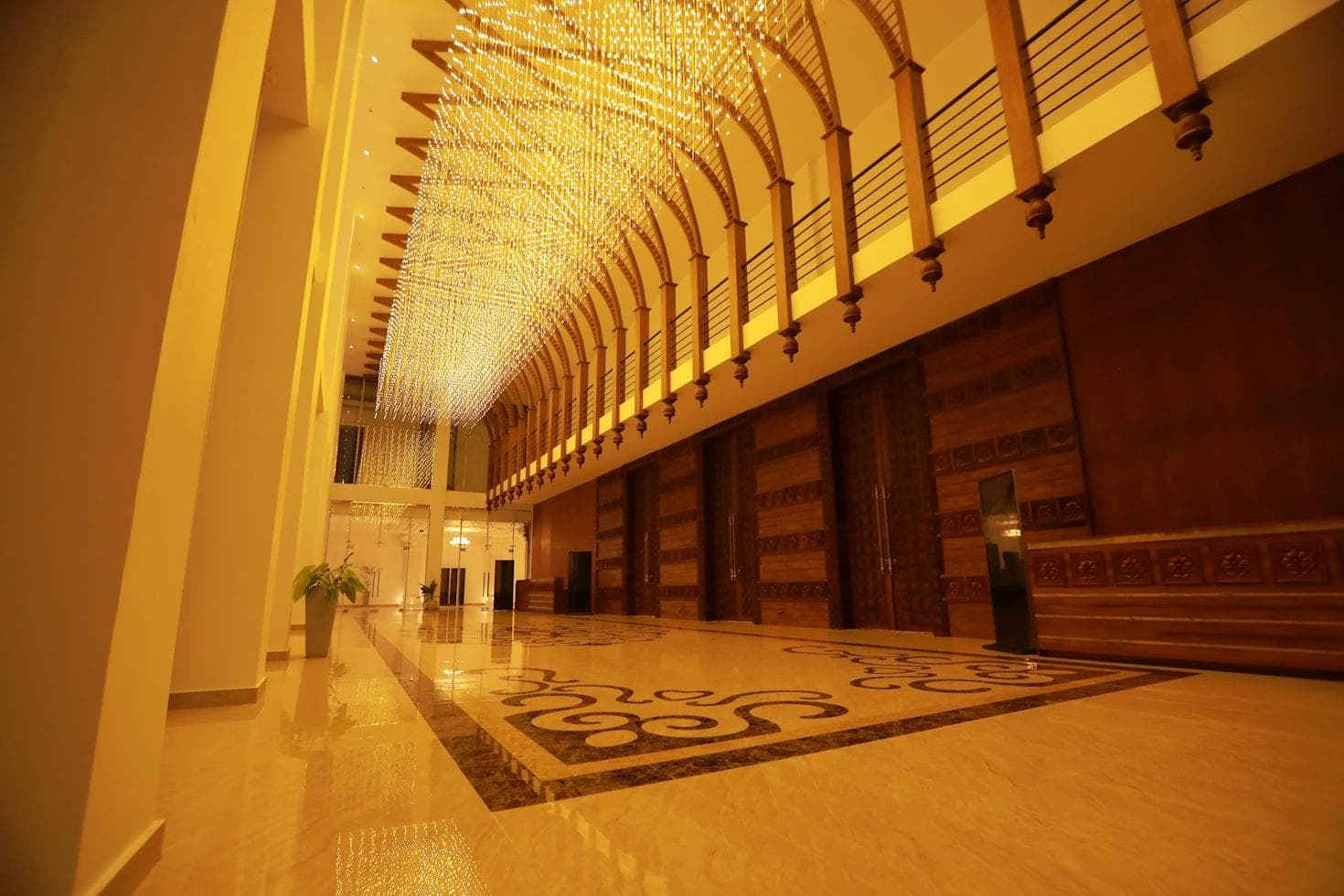
Lighting is one of the most powerful elements in hotel design. It not only illuminates spaces but also defines mood, enhances aesthetics, and shapes the overall guest experience.
In modern hospitality design, lighting is carefully planned to create different atmospheres across various areas of a hotel.
Why lighting is important in hotels
Lighting directly impacts how guests feel in a space
It helps
• Create ambience and mood
• Highlight design features
• Improve functionality
• Enhance overall experience
A well designed lighting plan transforms ordinary spaces into memorable environments.
Understanding layered lighting
Effective hotel lighting uses a combination of different layers
• Ambient lighting for general illumination
• Task lighting for specific activities
• Accent lighting to highlight features
Layering creates depth and balance in design.
Ambient lighting for overall mood
Ambient lighting sets the base tone of the space
• Soft warm lighting for comfort
• Even distribution of light
• Avoid harsh brightness
This creates a welcoming and relaxing environment.
Task lighting for functionality
Task lighting is focused and practical
• Bedside lamps
• Reading lights
• Bathroom lighting
It ensures guests can perform activities comfortably.
Accent lighting for visual appeal
Accent lighting highlights key elements
• Artwork and decor
• Architectural features
• Feature walls
This adds drama and enhances aesthetics.
Lighting in hotel lobbies
The lobby is the first impression
• Statement lighting fixtures
• Chandeliers or decorative lights
• Balanced brightness
Lighting here should feel grand yet welcoming.
Guest room lighting design
Rooms require flexible lighting options
• Adjustable lighting levels
• Bedside controls
• Soft ambient lighting
This allows guests to customize their experience.
Restaurant and dining lighting
Lighting influences dining experience
• Warm tones to enhance comfort
• Focused lighting on tables
• Dim lighting for premium feel
Proper lighting improves both mood and food presentation.
Smart lighting and automation
Modern hotels use smart lighting systems
• Automated controls
• Motion sensors
• App based adjustments
These improve convenience and energy efficiency.
Energy efficient lighting solutions
Sustainability is important in lighting design
• LED lighting systems
• Low energy consumption fixtures
• Smart energy management
This reduces operational costs.
Outdoor and facade lighting
Exterior lighting creates visual impact
• Highlight building architecture
• Pathway lighting for safety
• Landscape lighting
This enhances the hotel’s overall appeal.
Common mistakes to avoid
• Overly bright lighting
• Poor layering of lights
• Ignoring functionality
• Lack of control systems
Avoiding these ensures effective lighting design.
Why lighting defines guest experience
Lighting influences mood, comfort, and perception
A well planned lighting design enhances every aspect of a hotel
From first impressions to overall stay experience
It plays a key role in creating memorable hospitality spaces.