Hospitality Spaces with Multi-Functional Design
Author
Priya Sharma
Published
26 April 2026
Read Time
6 min read
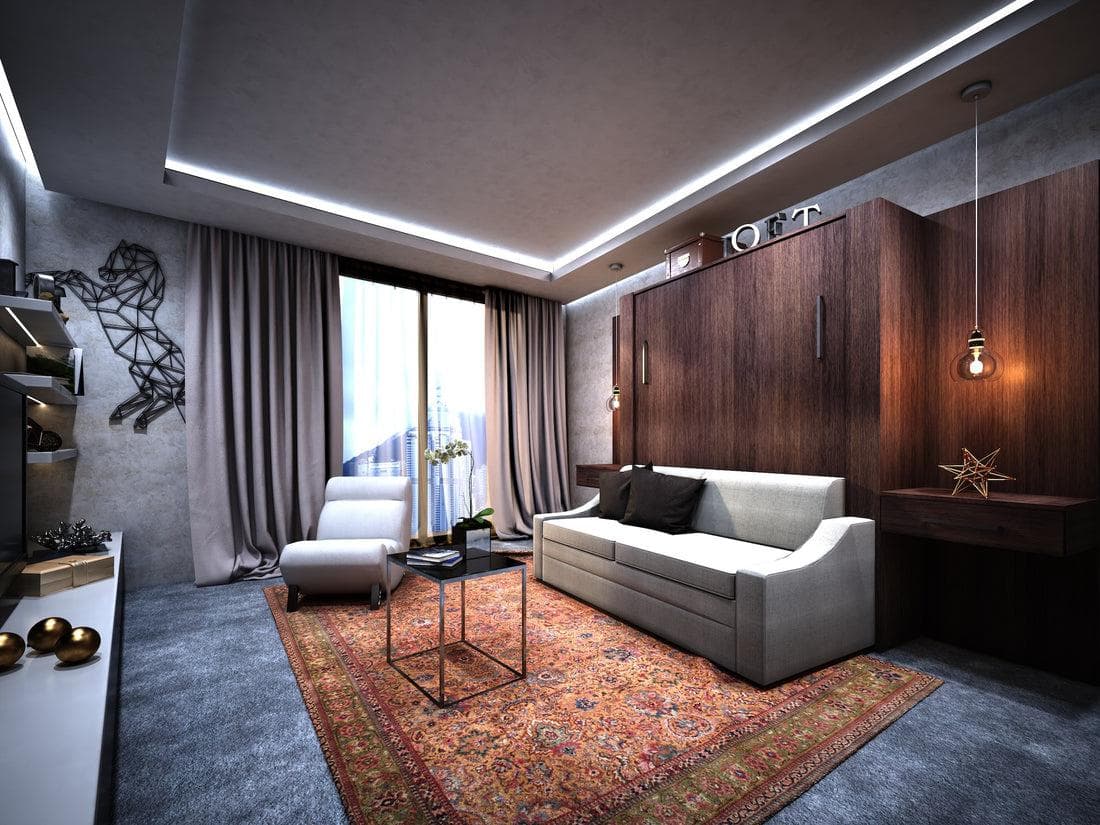
Hospitality design is evolving to meet changing guest expectations and space constraints. Multi functional design is becoming a key approach that allows spaces to serve multiple purposes without compromising comfort or aesthetics.
This design strategy is especially important in modern hotels, resorts, and commercial hospitality environments where efficiency and flexibility are essential.
Why multi functional design is important
Space is becoming more valuable in hospitality
Multi functional design helps
• Maximize space utilization
• Improve operational efficiency
• Enhance guest experience
• Adapt to different needs
It allows one space to perform multiple roles effectively.
Flexible layouts for dynamic use
Layouts should be adaptable
• Open plan spaces
• Modular arrangements
• Easily reconfigurable areas
Flexible layouts allow quick transformation based on requirements.
Multi purpose hotel rooms
Guest rooms are designed for more than just sleeping
• Workspaces integrated into rooms
• Convertible furniture
• Smart storage solutions
This enhances usability without increasing space.
Transformable furniture solutions
Furniture plays a key role in flexibility
• Foldable tables and beds
• Sofa cum beds
• Extendable furniture
These solutions help optimize space efficiently.
Movable partitions and zoning
Partitions help create flexible spaces
• Sliding panels
• Foldable walls
• Temporary dividers
This allows spaces to be divided or opened as needed.
Multi functional lobby areas
Lobbies are no longer just waiting areas
• Co working spaces
• Social interaction zones
• Event areas
This increases the usability of common spaces.
Hybrid dining and social spaces
Dining areas can serve multiple purposes
• Café during the day
• Lounge in the evening
• Event space when needed
This improves space efficiency and revenue potential.
Smart storage integration
Efficient storage is essential
• Hidden storage units
• Built in cabinets
• Vertical storage solutions
This keeps spaces organized and clutter free.
Technology enabled flexibility
Technology supports multi functional design
• Smart lighting systems
• Automated furniture
• Digital controls
This allows easy transformation of spaces.
Benefits for hotel operations
Multi functional design improves business performance
• Better space utilization
• Increased revenue opportunities
• Reduced operational costs
It creates a more efficient and profitable setup.
Common mistakes to avoid
• Overcomplicating design
• Ignoring user comfort
• Poor planning of flexibility
• Using low quality movable elements
Avoiding these ensures practical and durable solutions.
Why multi functional design is the future
Modern hospitality demands flexibility and efficiency
Guests expect spaces that adapt to their needs
Multi functional design provides a smart solution that balances comfort, usability, and innovation
It is becoming essential for future ready hospitality spaces.