Future of Co Working Spaces in Tier 2 Cities
Author
Priya Sharma
Published
26 April 2026
Read Time
6 min read
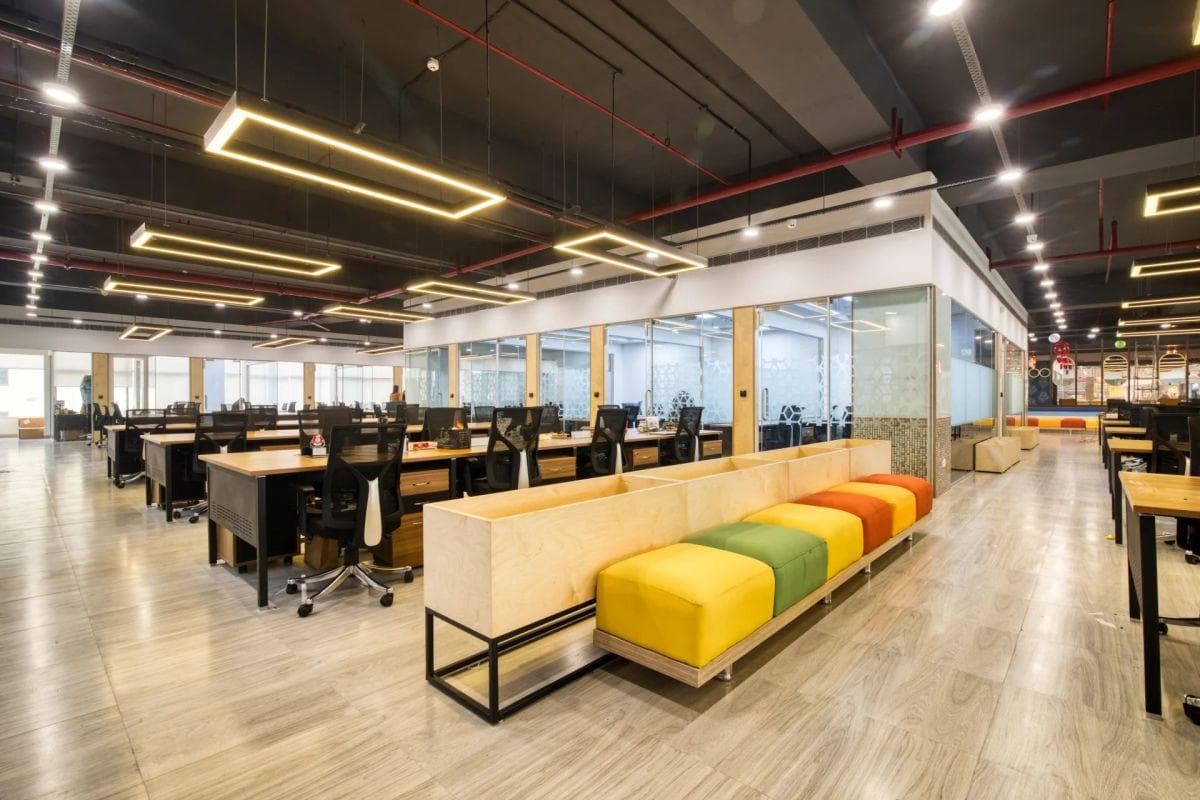
The growth of co working spaces in India is no longer limited to metro cities. Tier 2 cities are emerging as the next big hubs for flexible workspaces, driven by digital infrastructure, startup culture, and changing work patterns.
This shift is not temporary. It represents a long-term transformation in how and where people work.
The shift beyond metro cities
For years, cities like Bengaluru, Mumbai, and Delhi dominated the coworking ecosystem. However, rising costs, congestion, and competition have pushed businesses to explore alternatives.
Tier 2 cities such as Jaipur, Indore, Lucknow, and Coimbatore are now becoming strong business hubs with growing demand for flexible workspaces.
Rapid growth backed by real data
The expansion of coworking in smaller cities is not just a trend, it is backed by strong numbers
• Over 575 coworking centers already exist across 17 Tier 2 cities
• Nearly 9 million square feet of flexible workspace is operational
• Around 29 percent of India’s coworking supply is now outside metros
This clearly shows that demand is shifting towards emerging cities.
Why Tier 2 cities are becoming hotspots
Several factors are driving this growth
• Lower real estate costs compared to metros
• Better work life balance
• Growing startup ecosystems
• Improved internet and digital connectivity
These advantages make Tier 2 cities attractive for both businesses and professionals.
Impact of remote and hybrid work
The rise of remote work has changed how companies operate
Many professionals are moving back to their hometowns while continuing to work for companies based in metro cities.
Coworking spaces provide them with professional environments without the need to relocate again.
Rise of local entrepreneurship
Tier 2 cities are witnessing a surge in startups, freelancers, and small businesses
Coworking spaces are supporting this ecosystem by offering affordable and flexible office solutions, enabling local talent to grow without moving to bigger cities.
Design evolution in coworking spaces
Modern coworking spaces in Tier 2 cities are no longer basic setups
They now include
• Collaboration zones
• Meeting rooms and cabins
• Breakout and networking areas
• Technology enabled workstations
Design is becoming more experienced driven rather than just functional.
Community driven work culture
One of the biggest strengths of coworking spaces is community
Professionals from different industries work together, share ideas, and build networks.
This creates opportunities for collaboration and innovation, especially in emerging business ecosystems.
Role of technology in future coworking
Technology is shaping the next phase of coworking
• Smart booking systems
• App based access and management
• AI driven space optimization
• High speed connectivity infrastructure
These features improve efficiency and user experience.
Investment and business opportunities
Tier 2 cities offer strong potential for investors and developers
Lower setup costs combined with growing demand make coworking a viable business model.
Experts predict that a significant portion of future demand will come from these cities, making them key growth markets.
Challenges to address
Despite the growth, there are challenges
• Awareness in smaller markets
• Occupancy stability
• Pricing sensitivity
• Infrastructure gaps in some regions
Addressing these challenges is essential for sustainable growth.
What the future looks like
The future of coworking in Tier 2 cities is highly promising
As infrastructure improves and businesses decentralize, these cities will become major contributors to India’s workspace ecosystem.
Flexible workspaces will play a key role in shaping the future of work across the country.