Experience-Based Retail Design: Beyond Shopping in Modern Retail Spaces
Author
Priya Sharma
Published
9 May 2026
Read Time
10 to 12 min read
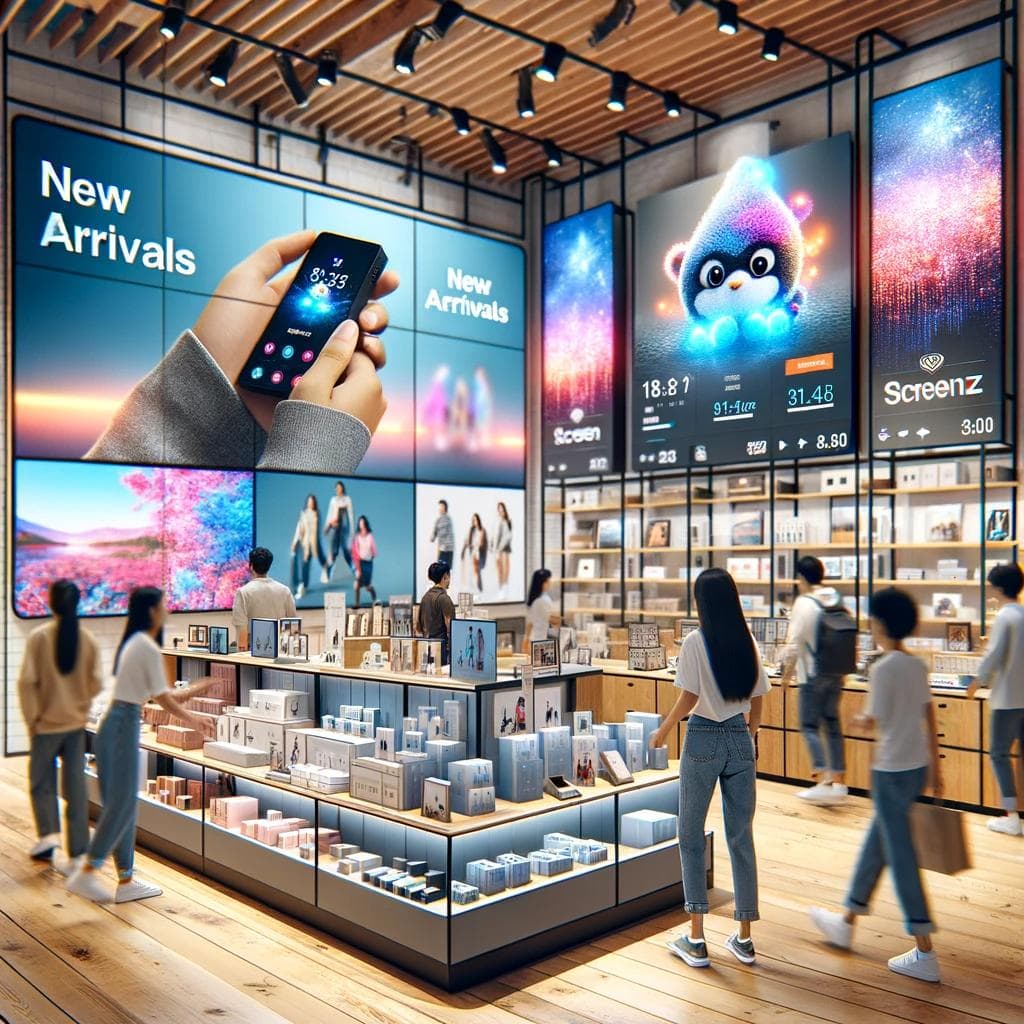
Retail spaces are no longer designed only for selling products. In 2026, successful retail stores focus on creating memorable customer experiences that encourage visitors to stay longer, interact more, and connect emotionally with the brand.
Experience-based retail design transforms stores into destinations where customers engage with products through storytelling, technology, and immersive interiors.
What is experience-based retail design
Experience-based retail design focuses on customer interaction rather than simple product display.
It combines
• Interior design
• Technology
• Brand storytelling
• Sensory engagement
to create memorable shopping experiences.
Why modern retailers are moving beyond shopping
Today’s customers expect more than shelves and billing counters.
Modern retail spaces now focus on
• Brand interaction
• Personalized experiences
• Social-media-friendly environments
• Entertainment-driven shopping
This increases engagement and repeat visits.
Interactive zones increase customer engagement
Interactive experiences attract attention and improve participation.
Popular elements include
• Smart mirrors
• Product demo areas
• Interactive touchscreens
• VR and AR experiences
These features make shopping more immersive.
Store storytelling creates emotional connection
Storytelling through interiors helps customers connect with the brand.
This can include
• Theme-based interiors
• Lifestyle displays
• Brand history walls
• Curated product journeys
Story-driven spaces feel more authentic and memorable.
Multi-sensory design improves retail experience
Modern retail design now engages all senses.
Retailers use
• Ambient music
• Signature fragrances
• Texture-based displays
• Mood lighting
to create a deeper emotional impact.
Social-media-friendly retail interiors
Instagrammable spaces drive organic marketing.
Retail stores now include
• Feature walls
• Artistic installations
• Neon signage
• Interactive photo spots
Customers naturally share visually attractive spaces online.
Flexible layouts improve store adaptability
Retail trends change quickly.
Flexible layouts allow stores to
• Rearrange displays easily
• Host events and launches
• Create pop-up experiences
• Adapt seasonal themes
This keeps stores dynamic and engaging.
Technology integration in retail spaces
Technology enhances both convenience and engagement.
Modern stores integrate
• Digital price displays
• Smart checkout systems
• AI-driven recommendations
• Interactive product displays
This improves customer experience and operational efficiency.
Lighting design shapes customer mood
Lighting strongly influences customer behavior.
Retailers use
• Spotlighting for products
• Warm ambient lighting
• Dynamic lighting scenes
• Accent lighting for displays
to guide attention and improve ambiance.
Community-driven retail spaces
Many stores now function as community hubs.
Retail spaces include
• Café corners
• Workshop zones
• Event areas
• Lounge seating
This increases customer retention and brand loyalty.
Final insight
Experience-based retail design is redefining the future of shopping.
Customers now value experiences as much as products. Retail brands that invest in immersive, interactive, and emotionally engaging spaces build stronger customer relationships and long-term loyalty.
Modern retail is no longer just about buying—it is about experiencing the brand.