Employee Wellness Design: Ergonomic and Mental Health Spaces
Author
Priya Sharma
Published
26 April 2026
Read Time
6 min read
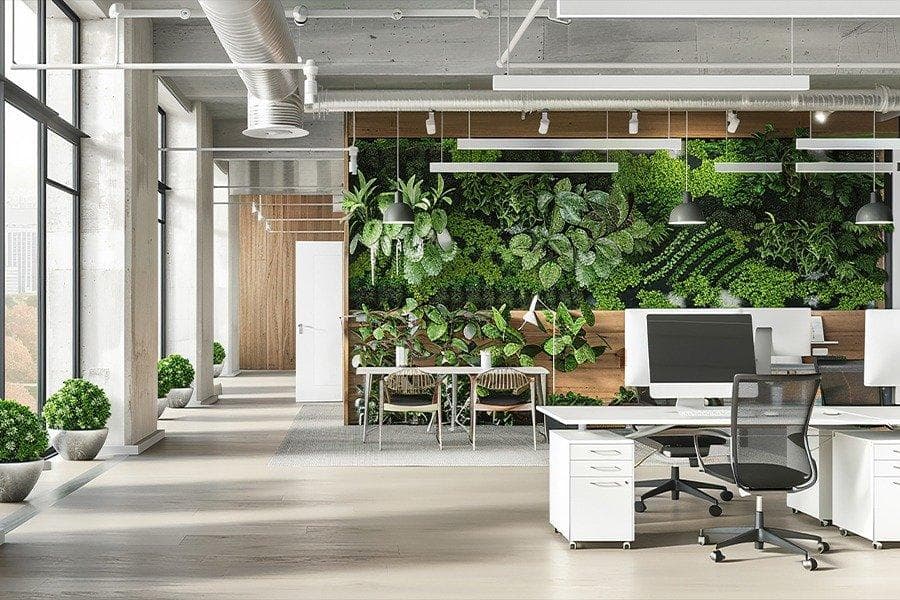
Employee wellness is becoming a central focus in modern office design. Companies are realizing that productivity is directly linked to how employees feel physically and mentally throughout the workday.
Ergonomic planning and mental health focused spaces are no longer optional features. They are essential elements of a well designed workplace in India’s evolving corporate environment.
Why wellness focused design matters today
Long working hours, screen time, and high pressure environments can impact employee health
A well designed office reduces physical strain and creates a positive environment that supports mental well being.
This leads to better performance, lower absenteeism, and improved job satisfaction.
Ergonomics as the foundation of comfort
Ergonomic design focuses on creating workspaces that support the human body
• Adjustable chairs with proper back support
• Desks at correct height levels
• Proper screen positioning
• Comfortable keyboard and mouse setup
These small adjustments help prevent long term health issues.
Reducing physical strain at work
Poor posture and uncomfortable seating can lead to back pain and fatigue
An ergonomic workspace ensures
• Better posture
• Reduced muscle strain
• Improved circulation
• Higher energy levels
This directly impacts productivity and efficiency.
Mental health spaces in modern offices
Beyond physical comfort, mental well being is equally important
Modern offices are introducing dedicated areas for relaxation and recovery
• Quiet rooms for focused thinking
• Meditation or wellness rooms
• Breakout zones for informal interaction
• Relaxation spaces away from workstations
These spaces help employees reset during the day.
Importance of lighting and environment
Lighting has a strong impact on mood and focus
Natural light is preferred as it reduces eye strain and improves mental health
Soft artificial lighting can be used to create a calm and comfortable atmosphere when natural light is limited.
Managing noise and distractions
Noise is one of the biggest productivity challenges in offices
Acoustic design elements help reduce distractions
• Sound absorbing panels
• Carpets and soft materials
• Quiet zones for focused work
This creates a more controlled and peaceful environment.
Air quality and ventilation
Good air quality is essential for health and comfort
Proper ventilation systems and indoor plants improve oxygen levels and reduce fatigue
This leads to better concentration and overall well being.
Creating a human centric workspace
Modern office design is shifting toward a human first approach
Instead of designing only for tasks, spaces are now designed around employee needs
Comfort, flexibility, and well being are becoming key priorities.
Practical tips for Indian offices
• Use ergonomic furniture within budget
• Maximize natural light wherever possible
• Add plants for a healthier environment
• Create small relaxation zones even in limited space
• Focus on ventilation and air flow
These simple steps can make a significant difference.
Common mistakes to avoid
• Ignoring ergonomics for aesthetics
• Overcrowding workspaces
• Lack of quiet zones
• Poor lighting and ventilation
Avoiding these ensures a balanced and effective design.
Long term impact of wellness design
Investing in employee wellness is not just about comfort
It improves productivity, reduces health related issues, and creates a positive workplace culture
This ultimately benefits both employees and organizations.