EdTech Spaces: Designing for Hybrid Learning in Modern Education
Author
Priya Sharma
Published
9 May 2026
Read Time
10 to 12 min read
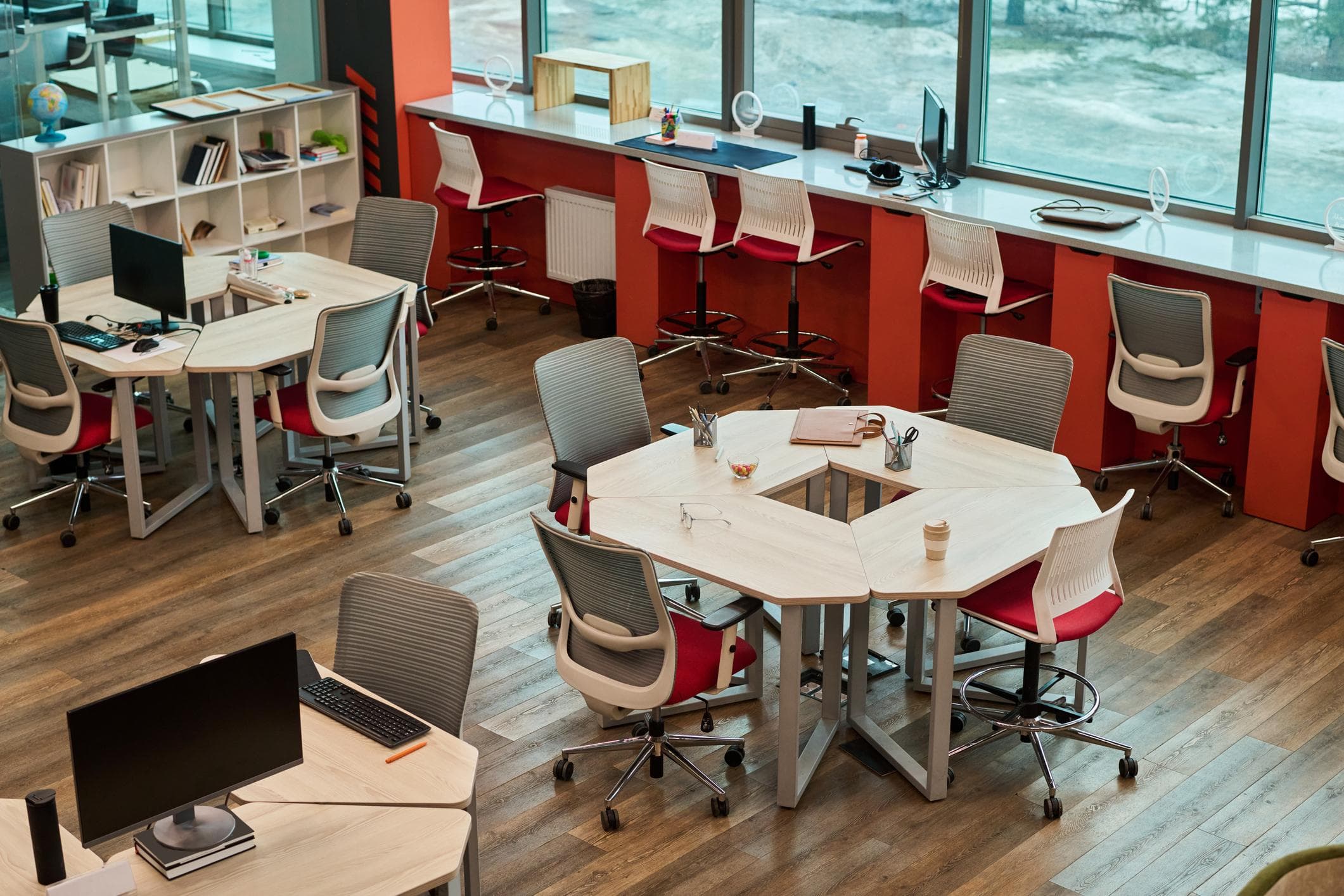
Hybrid learning is redefining education in 2026, and EdTech spaces are becoming essential in modern educational design. Schools, universities, and training centers are now creating technology-driven environments that support both in-person and remote learning experiences.
Modern EdTech spaces focus on flexibility, digital connectivity, collaboration, and student engagement.
What are EdTech spaces
EdTech spaces are educational environments designed specifically for technology-enabled learning.
These spaces combine
• Smart classroom systems
• Digital collaboration tools
• Hybrid teaching infrastructure
• Flexible learning layouts
to support modern educational methods.
Hybrid learning is shaping classroom design
Traditional classroom models are evolving rapidly.
Educational institutions are now designing spaces that support
• Physical learning
• Online education
• Live virtual sessions
• Interactive collaboration
within the same environment.
Flexible layouts improve adaptability
Hybrid learning requires adaptable educational interiors.
Modern EdTech classrooms use
• Modular furniture
• Movable seating
• Reconfigurable layouts
• Multi-purpose learning zones
to support different teaching formats.
Smart technology integration is essential
Technology is the foundation of modern hybrid learning spaces.
Educational environments now include
• Interactive smart boards
• Wireless presentation systems
• AI-powered learning tools
• High-speed connectivity
for seamless digital education.
Collaborative learning spaces encourage engagement
Modern education emphasizes interaction and teamwork.
EdTech environments now feature
• Collaboration pods
• Group discussion areas
• Digital brainstorming zones
• Interactive coworking spaces
to improve student participation.
Audio-visual systems improve communication
Clear communication is critical in hybrid classrooms.
Modern educational interiors integrate
• Smart cameras
• Noise-cancellation systems
• Digital microphones
• Video conferencing setups
to support remote and physical learners equally.
Student wellness influences educational design
Comfort and wellness are becoming important priorities.
Modern EdTech spaces include
• Ergonomic furniture
• Natural lighting
• Relaxation zones
• Acoustic comfort solutions
to create productive learning environments.
Learning hubs beyond classrooms
Hybrid education now extends beyond traditional classrooms.
Institutions are designing
• Digital libraries
• Innovation labs
• Flexible study lounges
• Open learning hubs
for continuous collaborative learning.
Sustainability in EdTech environments
Sustainable educational design is growing rapidly.
Modern EdTech spaces use
• Energy-efficient systems
• Eco-friendly materials
• Smart lighting controls
• Sustainable furniture solutions
to support environmentally responsible learning spaces.
Final insight
EdTech spaces designed for hybrid learning are shaping the future of education by combining flexibility, technology, collaboration, and student wellness.
Educational institutions investing in smart learning environments create future-ready campuses that support innovation, accessibility, and engaging educational experiences for modern learners.