Contactless Office Design: Post COVID Evolution
Author
Priya Sharma
Published
26 April 2026
Read Time
6 min read
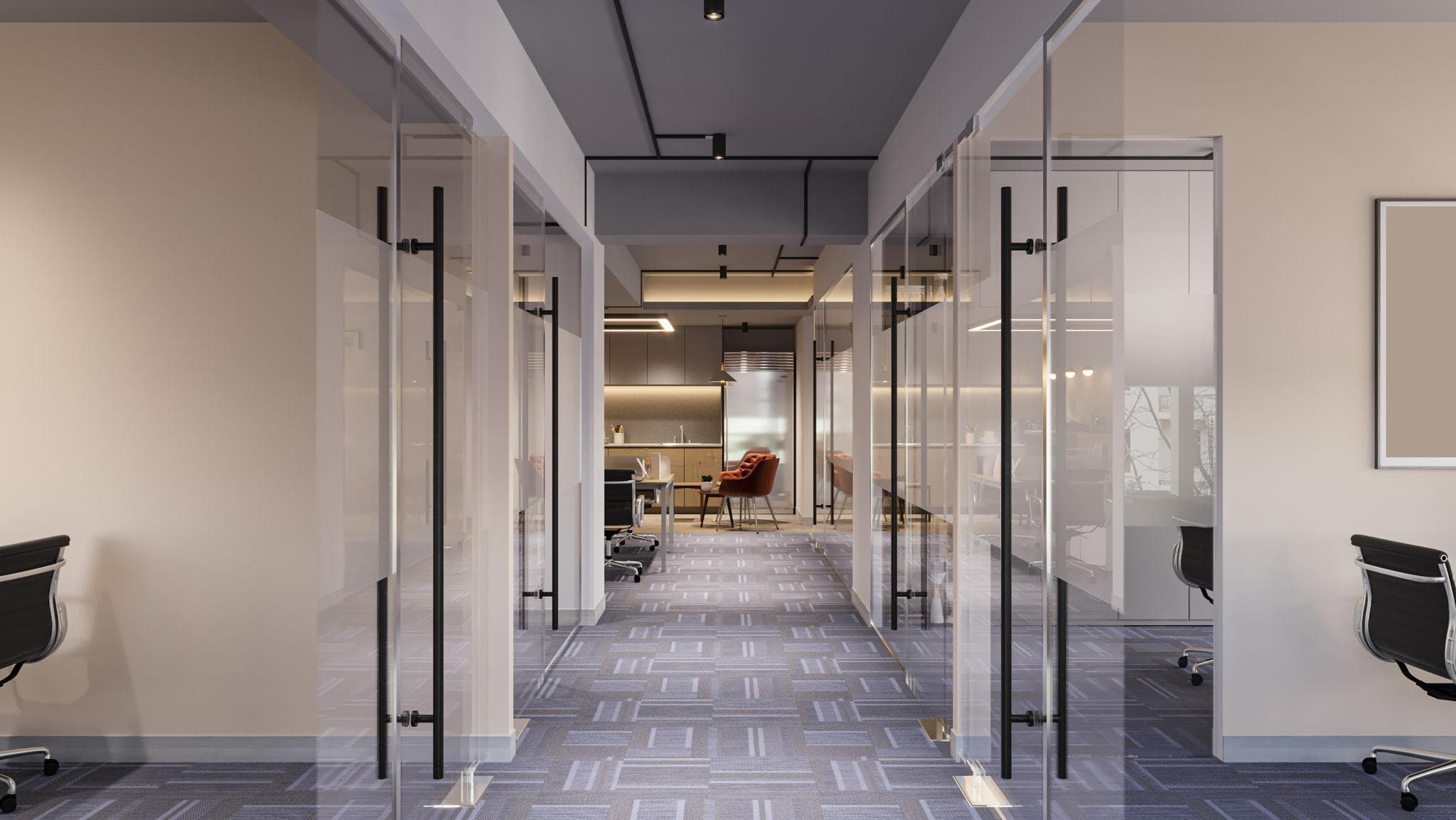
The COVID pandemic has permanently changed how offices are designed and operated. Health, safety, and hygiene are now key priorities, leading to the rise of contactless office design.
In India, businesses are adopting touch free technologies and smarter layouts to create safer and more efficient work environments.
How office design has evolved after COVID
Earlier, office design focused mainly on aesthetics and functionality. Today, safety and hygiene are equally important.
This shift has led to the integration of technology that reduces physical contact and improves cleanliness.
What is contactless office design
Contactless design minimizes the need for physical touch in everyday office interactions
• Touch free entry systems
• Sensor based lighting
• Automated doors
• Voice or app controlled systems
The goal is to reduce contact points and lower the risk of infection.
Smart entry and access control
Entry systems are one of the most critical areas
Modern offices use
• Face recognition systems
• RFID access cards
• Mobile app based entry
These solutions improve security while eliminating the need for manual interaction.
Touch free lighting and automation
Lighting systems are now becoming smarter
• Motion sensors turn lights on or off automatically
• Daylight sensors adjust brightness
• App based controls reduce manual switches
This improves both hygiene and energy efficiency.
Contactless meeting rooms
Meeting spaces are also evolving
• Wireless screen sharing
• Voice controlled devices
• Touch free booking systems
These features reduce shared touchpoints and improve convenience.
Hygiene focused restroom design
Restrooms are high contact areas and need special attention
• Sensor based taps
• Automatic soap dispensers
• Touch free hand dryers
• Smart flushing systems
These elements ensure better hygiene standards.
Improved ventilation and air quality
Air quality has become a top priority
• Advanced HVAC systems
• Increased fresh air circulation
• Air purification systems
Proper ventilation reduces the risk of airborne infections.
Workspace layout and spacing
Office layouts now focus on maintaining safe distances
• Wider spacing between desks
• Flexible seating arrangements
• Reduced overcrowding
This creates a safer and more comfortable environment.
Role of technology in hygiene management
Technology helps monitor and maintain cleanliness
• Automated cleaning schedules
• Occupancy tracking systems
• Real time air quality monitoring
These systems ensure consistent hygiene standards.
Challenges in implementation
• Higher installation costs
• Integration with existing infrastructure
• Need for regular maintenance
• Employee adaptation to new systems
Proper planning helps overcome these challenges.
Why contactless offices are here to stay
Contactless design is not just a response to the pandemic. It represents the future of office environments where safety, efficiency, and technology work together.
Businesses that adopt these solutions are better prepared for future challenges while offering a healthier workspace.