End to End Commercial Renovation Process Explained
Author
Priya Sharma
Published
26 April 2026
Read Time
8 min read
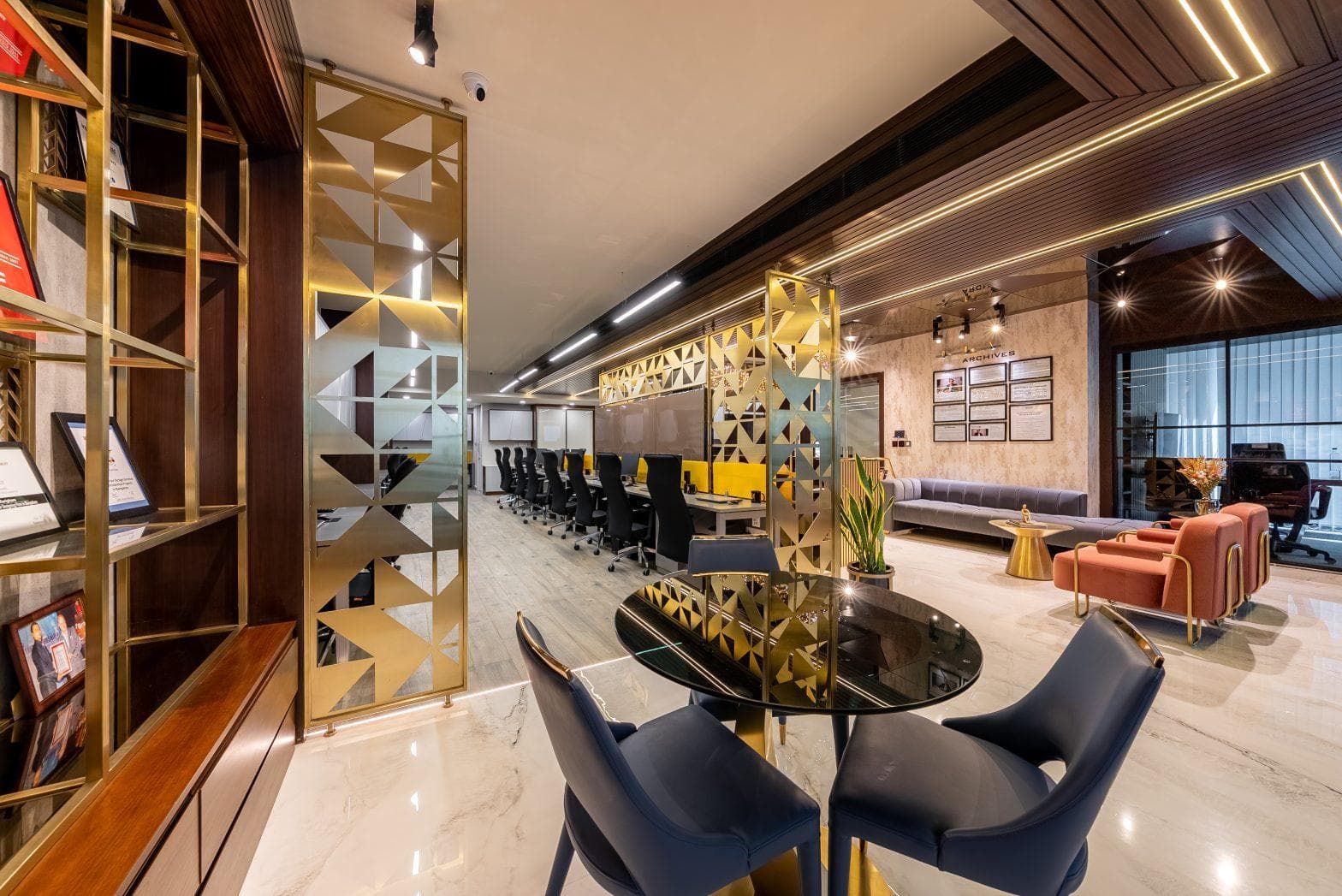
Commercial renovation is a strategic process that transforms existing business spaces into more functional, modern, and efficient environments. Whether it is an office, restaurant, retail store, or hotel, a well planned renovation can significantly improve performance and customer experience.
Understanding the complete end to end process helps businesses avoid delays, control costs, and achieve better results.
Understanding commercial renovation
Commercial renovation involves upgrading or redesigning an existing space
It focuses on
• Improving functionality
• Enhancing aesthetics
• Meeting modern standards
• Increasing business efficiency
It is more complex than residential renovation due to scale and operations.
Initial assessment and requirement analysis
The process begins with understanding needs
• Site inspection
• Identifying problems
• Defining goals
• Understanding business requirements
This stage sets the foundation for the entire project.
Planning and budgeting
Proper planning ensures smooth execution
• Budget estimation
• Timeline planning
• Resource allocation
Clear planning helps avoid unexpected issues.
Concept design and layout development
Design transforms ideas into visuals
• Space planning
• Layout design
• Concept development
This stage defines how the final space will look and function.
Material selection and specifications
Choosing the right materials is important
• Flooring and wall finishes
• Furniture and fixtures
• Lighting elements
Material selection impacts both cost and quality.
Approvals and permissions
Commercial projects often require approvals
• Local authority permissions
• Safety compliance
• Building regulations
This ensures legal and safe execution.
Execution and construction phase
This is the main implementation stage
• Civil work
• Electrical and plumbing
• Interior installation
Proper supervision ensures quality work.
Project management and coordination
Managing the project efficiently is crucial
• Vendor coordination
• Timeline tracking
• Quality checks
This keeps the project on track.
Finishing and detailing
Final touches enhance the space
• Painting and polishing
• Decor installation
• Lighting setup
These elements define the final look.
Final inspection and handover
Before completion, everything is reviewed
• Quality inspection
• Issue resolution
• Client approval
The project is then handed over ready to use.
Common challenges in renovation
• Budget overruns
• Delays in execution
• Poor coordination
• Design changes during execution
Proper planning helps overcome these challenges.
Tips for a successful renovation
• Work with experienced professionals
• Plan everything in advance
• Maintain clear communication
• Monitor progress regularly
These steps ensure better results.
Why understanding the process matters
Knowing the renovation process helps clients make informed decisions
It ensures better control over cost, time, and quality
A structured approach leads to successful commercial transformations.