Cloud Kitchen Interior Setup Guide
Author
Priya Sharma
Published
26 April 2026
Read Time
6 min read
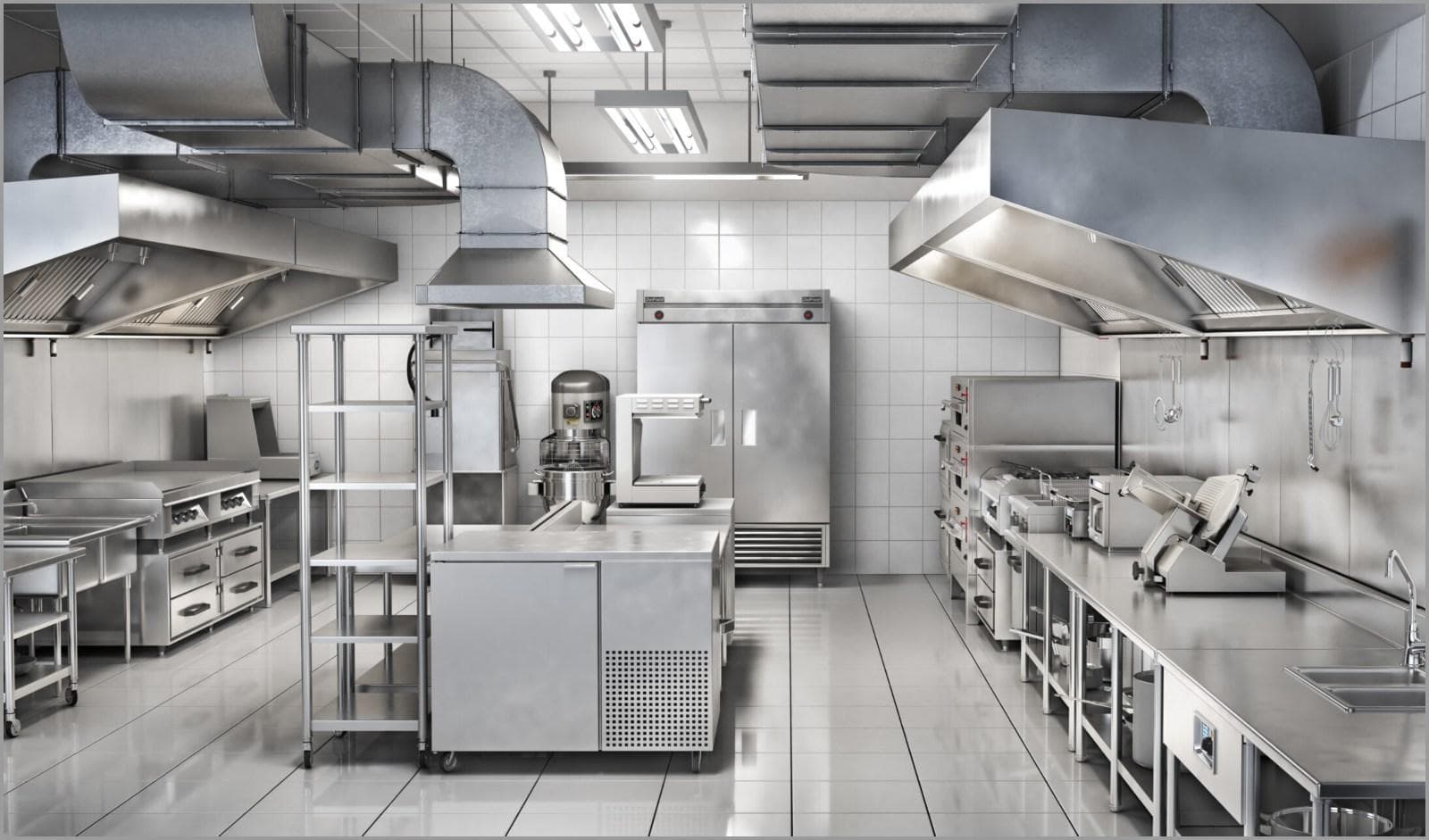
Cloud kitchens are transforming the food industry by focusing entirely on delivery based operations. Unlike traditional restaurants, these kitchens do not require dining areas, making interior design more about efficiency than aesthetics.
A well planned cloud kitchen setup improves workflow, reduces costs, and increases productivity.
Understanding the cloud kitchen concept
Cloud kitchens are designed for online food delivery only
They operate without customer seating and focus on
• Fast food preparation
• Efficient order handling
• Smooth delivery operations
This makes layout planning extremely important.
Importance of layout planning
Layout is the backbone of a cloud kitchen
A good layout ensures
• Smooth workflow
• Minimal movement
• Faster order preparation
Common layouts include
• Assembly line layout
• Zone based layout
• Parallel workflow setup
Zoning the kitchen space
Dividing the kitchen into functional zones improves efficiency
Key zones include
• Preparation area
• Cooking area
• Packaging area
• Dispatch section
Proper zoning reduces confusion and speeds up operations.
Workflow optimization
Efficient workflow reduces delays
Design should allow
• Easy movement between stations
• Clear paths for staff
• Logical sequence of operations
This directly impacts delivery speed.
Ventilation and exhaust systems
Good ventilation is essential
• Proper exhaust systems
• Smoke and heat control
• Fresh air circulation
This ensures a safe and comfortable working environment.
Storage and inventory management
Smart storage keeps the kitchen organized
• Vertical storage racks
• Dry and cold storage separation
• Easy access shelving
Efficient storage reduces time wastage.
Equipment placement strategy
Placement of equipment should follow workflow
• Cooking equipment near prep area
• Packaging near dispatch
• Refrigeration accessible but not obstructive
This improves efficiency and safety.
Hygiene and safety standards
Maintaining hygiene is critical
• Easy to clean surfaces
• Proper waste disposal
• Non slip flooring
Safety should always be a priority.
Technology integration
Technology improves operations
• POS systems
• Order management software
• Inventory tracking
Automation helps manage high order volumes efficiently.
Multi brand cloud kitchen setup
Many cloud kitchens operate multiple brands
• Separate prep zones
• Shared equipment
• Clear workflow separation
This maximizes space utilization.
Common mistakes to avoid
• Poor layout planning
• Ignoring ventilation
• Lack of proper zoning
• Inefficient storage
Avoiding these ensures smooth operations.
Why cloud kitchens are growing in India
The demand for online food delivery is increasing rapidly
Cloud kitchens offer
• Lower investment compared to restaurants
• Faster scalability
• High operational efficiency
This makes them a popular business model.