Attached Bathroom Design Tips for Comfort and Functionality
Author
Rahul
Published
22 April 2026
Read Time
8 min read
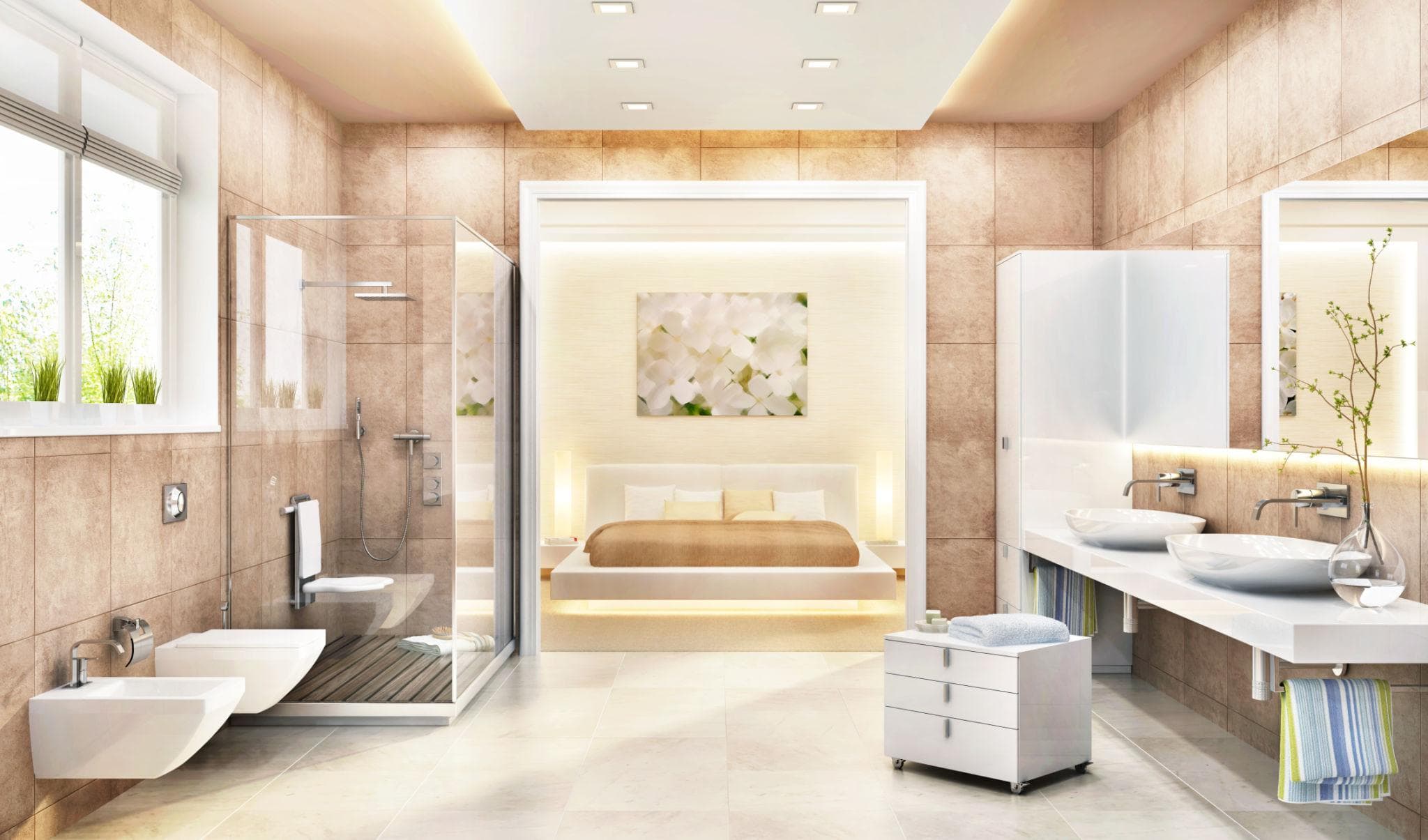
An attached bathroom is an extension of your bedroom, and its design should reflect both comfort and functionality. A well planned bathroom not only improves daily convenience but also enhances the overall living experience.
The key is to balance layout, hygiene, and aesthetics without making the space feel cramped.
Think beyond just basic fittings
An attached bathroom should feel like a part of the bedroom, not a separate utility area. The design should be clean, organized, and easy to maintain.
When planned properly, even a small bathroom can feel spacious and comfortable.
Getting the layout right from the start
Layout is the most important aspect of bathroom design
• Keep the wash basin near the entrance for easy access
• Place the shower area away from the door
• Ensure enough movement space between fixtures
• Avoid blocking natural light or ventilation
A good layout improves both usability and hygiene.
Keeping wet and dry areas separate
This is one of the most practical design decisions
• Use glass partitions to separate shower area
• Prevent water from spreading across the bathroom
• Keep dry areas safe and clean
• Improve overall maintenance
A clear division makes the bathroom more functional.
Storage that does not clutter the space
Bathrooms need storage, but it should be compact
• Use wall mounted cabinets
• Add storage below the basin
• Use shelves for daily essentials
• Keep only necessary items visible
Smart storage keeps the bathroom neat and organized.
Lighting that supports daily use
Lighting should be both functional and comfortable
• Use bright lights near the mirror
• Add soft lighting for overall ambiance
• Avoid dark corners
• Ensure proper visibility for grooming
Good lighting improves both design and usability.
Ventilation is more important than you think
Proper airflow prevents long term issues
• Install an exhaust fan
• Use windows if available
• Prevent moisture buildup
• Reduce chances of mold and odor
Ventilation keeps the bathroom fresh and hygienic.
Choosing materials that last longer
Bathrooms are exposed to water and humidity
• Use anti skid tiles for safety
• Choose water resistant materials
• Use easy to clean surfaces
• Avoid materials that absorb moisture
Durable materials reduce maintenance problems.
Making small bathrooms feel bigger
Space can be improved with simple design tricks
• Use light colors to create openness
• Add large mirrors to reflect space
• Keep the design minimal
• Avoid bulky fixtures
These changes make a noticeable difference.
Common mistakes to avoid
Some decisions can reduce comfort and usability
• Ignoring ventilation
• Using slippery flooring
• Overcrowding with accessories
• Poor lighting placement
Avoiding these mistakes ensures a better experience.
Keeping the design consistent with the bedroom
Since the bathroom is attached, it should match the bedroom style
• Use similar color tones
• Maintain a consistent design theme
• Avoid completely different styles
• Keep transitions smooth
This creates a more connected and premium look.