AI Powered Office Design: How Workspaces Are Evolving in 2026
Author
Priya Sharma
Published
25 April 2026
Read Time
8 min read
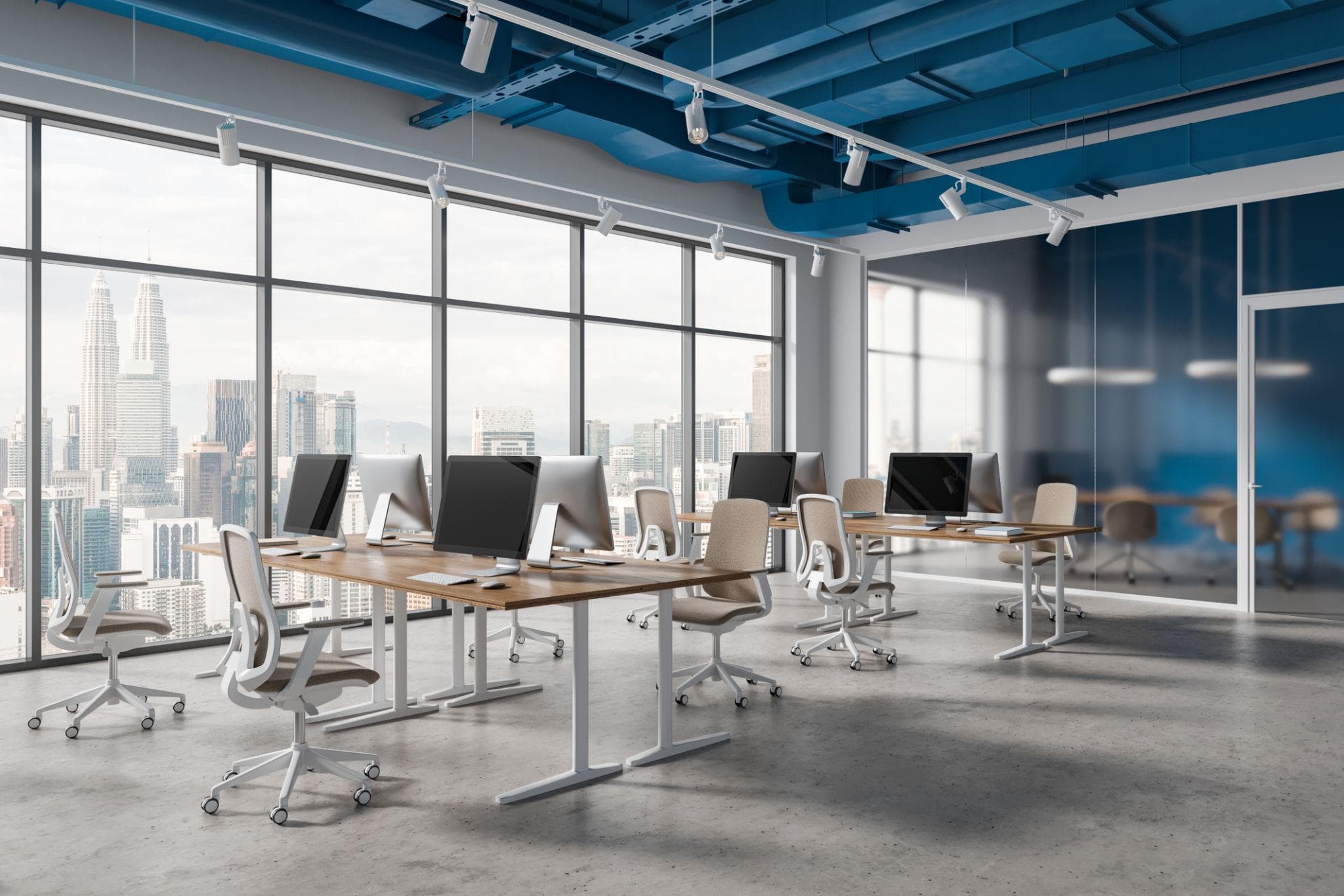
The way offices are designed is undergoing a major shift. In 2026, office spaces are no longer static environments. They are becoming intelligent ecosystems powered by AI, where every element from lighting to layout adapts to how people work.
For Indian businesses, this shift is even more significant as companies move towards hybrid work models, smarter infrastructure, and employee focused design.
A shift from traditional to intelligent workspaces
Earlier, office design was focused on fixed layouts and static furniture. Today, AI enables offices to respond dynamically to usage patterns.
Lighting adjusts automatically, unused areas power down, and meeting rooms optimize themselves based on occupancy. This creates a more efficient and cost-effective workspace.
How AI is changing everyday office experience
AI is not just a backend tool anymore. It directly impacts how employees interact with their workplace
• Smart lighting adapts based on natural light and occupancy
• Climate control systems adjust temperature automatically
• Meeting rooms activate with voice or presence detection
• Desk usage is tracked to improve space allocation
This results in a smoother and more productive work environment.
The rise of hybrid workspaces in India
Hybrid work is now the standard for many companies. Offices are no longer used by all employees at the same time, which has changed how spaces are designed.
AI helps analyze employee attendance patterns and redesign spaces accordingly. Instead of fixed desks, offices now focus on flexible seating, collaboration zones, and shared workspaces.
Flexible layouts are replacing fixed planning
Modern office layouts are becoming more adaptable
• Open collaboration areas for team interaction
• Quiet zones for focused work
• Multi purpose meeting spaces
• Flexible furniture that can be rearranged easily
AI driven insights help companies understand what spaces are actually used and optimize layouts accordingly.
Data driven design decisions
One of the biggest advantages of AI in office design is the use of real time data
• Footfall tracking
• Space utilization patterns
• Peak working hours
• Employee movement analysis
This data helps designers and companies create spaces that are efficient rather than just visually appealing.
Smart meeting rooms and collaboration
Meeting spaces are becoming more advanced with AI integration
• Automatic room booking systems
• Voice controlled presentations
• Real time transcription and translation
• AI generated meeting summaries
These features reduce time wastage and improve communication, especially in large organizations.
Employee comfort is now a priority
Modern office design is not just about productivity. It is also about employee well being
AI helps create personalized environments where lighting, temperature, and seating conditions adjust based on user preferences.
This improves comfort, reduces fatigue, and enhances overall work performance.
Sustainability through intelligent systems
AI is helping offices become more energy efficient
• Lights turn off automatically in unused areas
• HVAC systems optimize energy usage
• Resources are monitored in real time
• Waste is reduced through automation
For Indian companies, this also helps in reducing operational costs significantly.
Behind the scenes automation
AI is also improving how offices are managed
• Predictive maintenance prevents system failures
• Security systems become more intelligent
• IT infrastructure optimizes itself
• Facility management becomes automated
This reduces manual effort and improves operational efficiency.
Challenges businesses should consider
While AI powered offices offer many benefits, there are some challenges
• Initial setup cost can be high
• Data privacy concerns need attention
• Skilled management is required
• Over dependence on technology can create risks
A balanced approach is important for long term success.
What lies ahead for office design
AI powered office design is not just a trend. It is becoming the new standard.
As technology evolves, offices will become even more personalized, adaptive, and efficient. The focus will remain on creating spaces that support both productivity and human wellbeing.